

Emergency HVAC Repair When You Need It Most
Don't wait in discomfort for your HVAC fix. Our certified technicians are ready to provide prompt and reliable repair services, day or night. Contact us immediately to schedule your diagnostic visit or apply for financing to restore your home's comfort today.
When a heating or cooling system fails in Prospect, OR, or the surrounding communities, it often happens at the most inconvenient times—during a freezing winter night or the peak of a summer heatwave. A broken system creates an immediate crisis that requires professional attention, not temporary patches. Stone Heating and Air provides the technical expertise required to diagnose and resolve airflow, electrical, and mechanical failures efficiently. We prioritize restoring safety and comfort to your home without unnecessary delays.
- Immediate response times with 24-hour emergency services available.
- Expert repairs by qualified technicians—get your system running smoothly in no time.
- Transparent pricing and no hidden fees—know what you’re paying upfront.
Backed by warranties and the latest industry standards, feel secure with our trusted services.
Immediate HVAC Repairs to Tackle the Unexpected
System failures rarely come with a warning. One moment the climate control is consistent, and the next, the unit is making grinding noises, blowing lukewarm air, or refusing to turn on entirely. In the Pacific Northwest, where temperature fluctuations can be distinct, a functioning HVAC system is essential for habitability, not just comfort. When a furnace or air conditioner goes down, the internal temperature of a home can drop or rise to unsafe levels rapidly, putting stress on the occupants and the home’s plumbing and structure.
We address high-priority repair scenarios that require urgent technical intervention. This includes complete system lockouts where the thermostat signals for heat or cool but the unit remains unresponsive. It also covers dangerous situations such as distinct smells of gas, burning electrical odors, or loud mechanical banging that indicates a part has come loose or broken inside the cabinet.
Delaying a repair often exacerbates the underlying issue. A minor refrigerant leak, if left unaddressed, can lead to a catastrophic compressor failure, transforming a manageable repair bill into a requirement for a full system replacement. Our approach focuses on rapid mobilization. We arrive equipped to handle the immediate symptoms while digging for the root cause to prevent recurrence.
Complete Repair Solutions—What We Offer
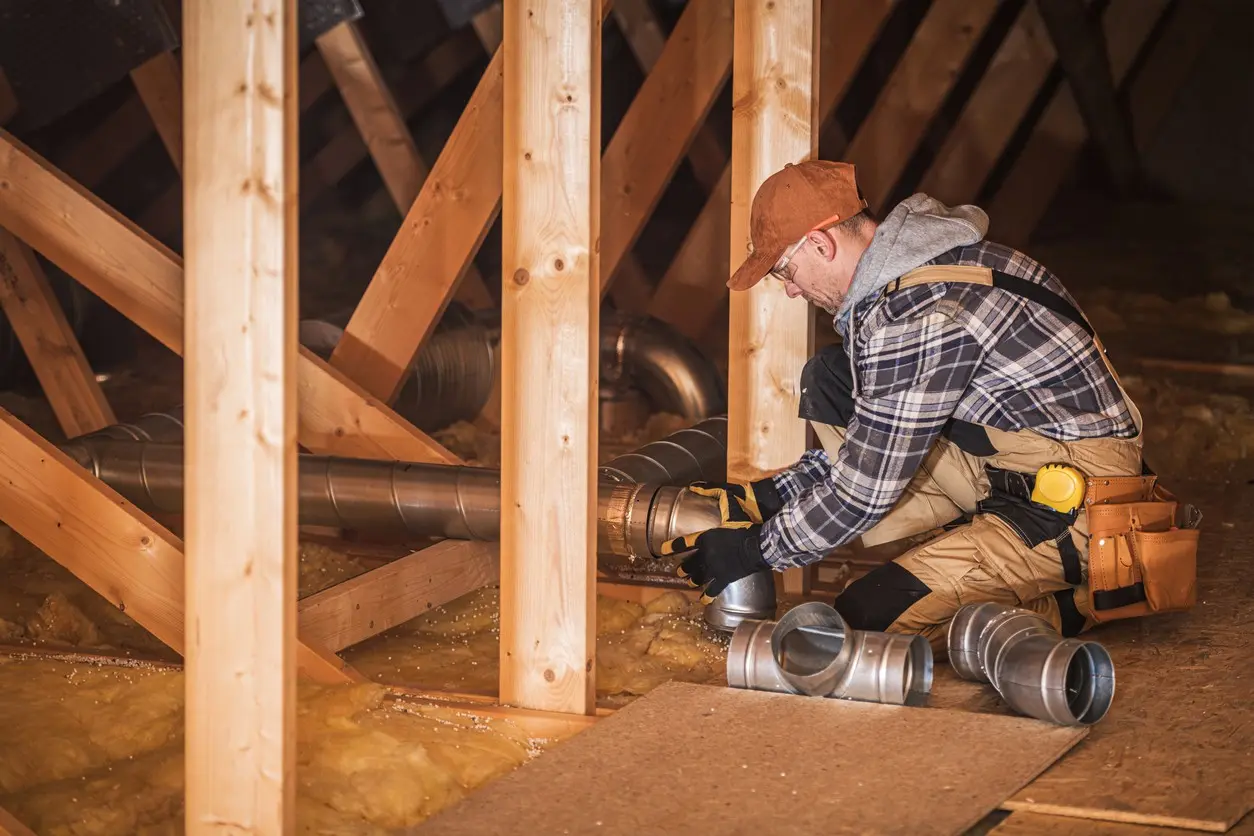
Effective HVAC repair requires a comprehensive understanding of thermodynamics, electrical circuits, and mechanical engineering. When we arrive at a property, we are prepared to service a wide array of system configurations, including split systems, packaged units, heat pumps, and gas furnaces. The goal is to isolate the faulty component and replace it with high-quality parts that meet or exceed OEM specifications.
Our repair scope covers the entire anatomy of your heating and cooling infrastructure:
- Thermostat and Control Systems: We troubleshoot communication errors between the interface and the control board. This includes calibrating sensors, replacing faulty wiring, and ensuring the "brain" of the system is sending the correct voltage signals to the equipment.
- Airflow and Blower Components: If air is not moving through the vents, the issue often lies with the blower motor, the capacitor, or the fan belt. We repair or replace variable-speed and multi-speed motors to restore proper static pressure and air circulation.
- Refrigerant Leaks and Charging: For heat pumps and air conditioners, correct refrigerant levels are critical. We use electronic leak detectors to find the source of the leak, braze the line set to seal it, and recharge the system to the manufacturer’s specified subcooling and superheat levels.
- Ignition and Combustion Issues: In gas furnaces, safety is paramount. We repair faulty pilot lights, hot surface igniters, flame sensors, and gas valves. We also inspect the heat exchanger for cracks to ensure no carbon monoxide is leaking into the air supply.
- Electrical Components: Capacitors, contactors, and relays are common failure points. We test these components for proper microfarad readings and voltage drops, replacing them before they cause stress to the compressor or fan motors.
- Condensate Drain Systems: Clogged drain lines can cause water damage and trigger overflow switches that shut down the system. We clear blockages and repair condensate pumps to ensure moisture is properly evacuated from the home.
How Our HVAC Repair Process Ensures Quality and Efficiency
A systematic approach to repair reduces downtime and eliminates guesswork. We follow a strict protocol designed to identify the issue accurately and resolve it permanently. This structured workflow ensures that no step is skipped and that every repair is validated before the technician leaves the premises.
- Initial Assessment and Diagnostics: Upon arrival, the technician performs a visual inspection followed by diagnostic testing using multimeters, manometers, and temperature probes. We check error codes on the control board and test the system’s operation in various modes.
- Root Cause Analysis: We do not simply swap parts. We determine why the part failed. For example, if a compressor has failed, we check for airflow restrictions or acid in the refrigerant lines that may have caused the burnout.
- Clear Explanation and Approval: Stone Heating and Air technicians present the findings clearly. We explain the failed component, the proposed solution, and the total cost. Work begins only after you have authorized the repair.
- Execution of Repairs: We utilize stocked service vehicles to complete most repairs on the first visit. The technician isolates the power, removes the faulty component, and installs the new part using industry-standard techniques.
- System Testing and Validation: After the repair is complete, we cycle the system multiple times. We measure temperature splits (the difference between return and supply air), check amp draws on motors, and verify that the thermostat is satisfying the set point.
- Site Cleanup: We respect your property. Old parts, packaging, and debris are removed. The work area is left as clean as we found it.
Deciding Between Repair and Replacement: A Quick Guide
Homeowners often face the difficult choice of sinking money into an old system or investing in a new one. While our primary goal is to repair your existing equipment, there are mathematical and practical limits where repair ceases to be the economical choice. We help you navigate this decision using data, not sales pressure — check our FAQs for more details.
Consider the following factors when determining the best path forward:
- The 50% Rule: If the cost of the repair approaches or exceeds 50% of the value of a new system, replacement is generally the wiser financial move. Investing heavily in a dying asset often leads to diminishing returns.
- System Age: The average lifespan of a heat pump or air conditioner is 10 to 15 years, while gas furnaces may last 15 to 20 years. If your equipment is nearing the end of this window, a major repair may only buy a small amount of time before another component fails.
- Frequency of Breakdowns: If you have required multiple repairs in the last two years, the system is becoming unreliable. The cumulative cost of frequent service calls often outweighs the monthly cost of financing a new, warranty-backed unit.
- Energy Efficiency: Older systems often operate at much lower efficiency (SEER or AFUE ratings) than modern units. If your utility bills in Prospect are steadily climbing despite moderate usage, the equipment may be mechanically sound but technologically obsolete.
- Comfort Issues: If the system can no longer maintain the set temperature, struggles with humidity control, or leaves hot and cold spots throughout the house despite repairs, it may be undersized or suffering from compressor wear that cannot be fixed without full replacement.
- Phase-Out of Refrigerants: Older systems utilizing R-22 refrigerant are becoming prohibitively expensive to repair due to the phase-out of this chemical. If an R-22 system develops a leak, replacement is almost always the necessary solution.
Adhering to Local Codes and Seasonal Advice for Optimal Performance
Operating an HVAC system in Prospect requires attention to the specific environmental and regulatory conditions of the region. The climate dictates specific maintenance and repair priorities, while local regulations ensure that all work is performed safely and legally.
Seasonal Considerations
- Winter Demand: The winters here bring damp, cold conditions that can lead to frost buildup on heat pump outdoor units. Defrost boards and reversing valves must function perfectly to prevent the unit from turning into a block of ice. We prioritize checking these defrost cycles during winter repairs.
- Summer Spikes: While summers are generally mild, heat spikes occur. Systems that have sat dormant or operated at low capacity during spring may struggle when the temperature jumps. Capacitor failures are common during the first heatwave of the season as the electrical load increases.
- Shoulder Seasons: Spring and Fall are the ideal times to address lingering issues. If a system made strange noises at the end of the previous season, scheduling a repair during these lower-demand months ensures you are ready for the extremes of winter or summer.
Permits and Utility Coordination
- Electrical Code Compliance: Major HVAC repairs involving electrical disconnects, breaker changes, or significant wiring alterations often require adherence to the National Electrical Code (NEC) as adopted by local jurisdictions. We ensure all electrical connections are tight, grounded, and rated for the amperage of the equipment.
- Refrigerant Handling: We adhere strictly to EPA Section 608 regulations regarding the handling, recovery, and disposal of refrigerants. Venting refrigerant is illegal and harmful to the environment; our technicians capture and recycle refrigerants responsibly.
- Utility Rebates: Some repairs or upgrades to high-efficiency components may qualify for local utility rebates. We stay informed about current programs to help you maximize any available savings.
Trusted by Locals: Why Choose Us for Your HVAC Needs
Selecting a service provider for HVAC repair is a decision based on trust and technical capability. You need a team that understands the urgency of the situation and possesses the skills to resolve it correctly the first time. We differentiate ourselves through a commitment to technical excellence and operational transparency — see our customer reviews for reassurance.
- Certified Technical Expertise: Our team undergoes continuous training to stay ahead of evolving HVAC technologies. From inverter-driven compressors to smart home integration, we understand the complexities of modern climate control.
- Inventory and Logistics: We stock our service vehicles with the most common universal parts. This logistical preparation minimizes the need to order parts and schedule return trips, resolving your issue faster.
- Warranty Protection: We stand behind our work. Repairs are backed by labor and parts warranties, providing you with peace of mind that the solution is durable.
- Diagnostic Accuracy: We use advanced diagnostic tools rather than guesswork. This ensures we fix the root cause, not just the symptom, saving you money on repeat visits.
- Respect for Property: We treat your home with care, using shoe covers and drop cloths to protect your flooring and workspace.
System Demanding Immediate Attention? Get Professional Help Now
When your heating or cooling system demands immediate attention, you need a partner who values your time and comfort. Stone Heating and Air delivers professional, high-quality repair services designed to extend the life of your equipment and improve the efficiency of your home.
Take control of your indoor climate today. Contact us now to schedule your repair service and experience the difference professional HVAC care makes.
- Book Expert Service Or Contact Us