

Tackling Heating Challenges in Cold Climates
Facing harsh winter months, businesses in Butte Falls require reliable and efficient heating solutions to ensure operations never stall due to equipment failure. Ensure your workplace remains warm and operational throughout the cold season with our expert HVAC services by contacting us for a site assessment or to discuss financing options today.
- Rapid response and repair within hours, available any day of the week to minimize downtime.
- Tailored installations meeting Oregon’s strict energy-efficient standards for commercial properties.
- Long-term savings with high-performing HVAC systems designed specifically for temperate climates with cold winters.
All installations come with full compliance to local building codes and available financing options. Stone Heating and Air provides the expertise required to navigate the specific thermal demands of the region, ensuring your commercial infrastructure supports your business goals rather than hindering them.
Commercial Heating Solutions for Business Efficiency
Maintaining a consistent internal environment is not just about comfort; it is a critical component of inventory preservation, employee productivity, and customer satisfaction. In the Butte Falls area, the climate swings from mild summers to distinctly cold winters. This fluctuation places a unique strain on commercial heating and cooling equipment. A system that is not calibrated for these shifts will struggle to maintain set points, leading to skyrocketing utility bills and premature mechanical failure.
Commercial HVAC systems differ significantly from residential units. They require a higher capacity for load management and sophisticated zoning capabilities. A retail space has different airflow requirements than a warehouse or a localized office building. When the heating fails during a freeze, the consequences go beyond a chilly room; pipes can burst, sensitive electronic equipment can malfunction, and retail traffic can drop to zero.
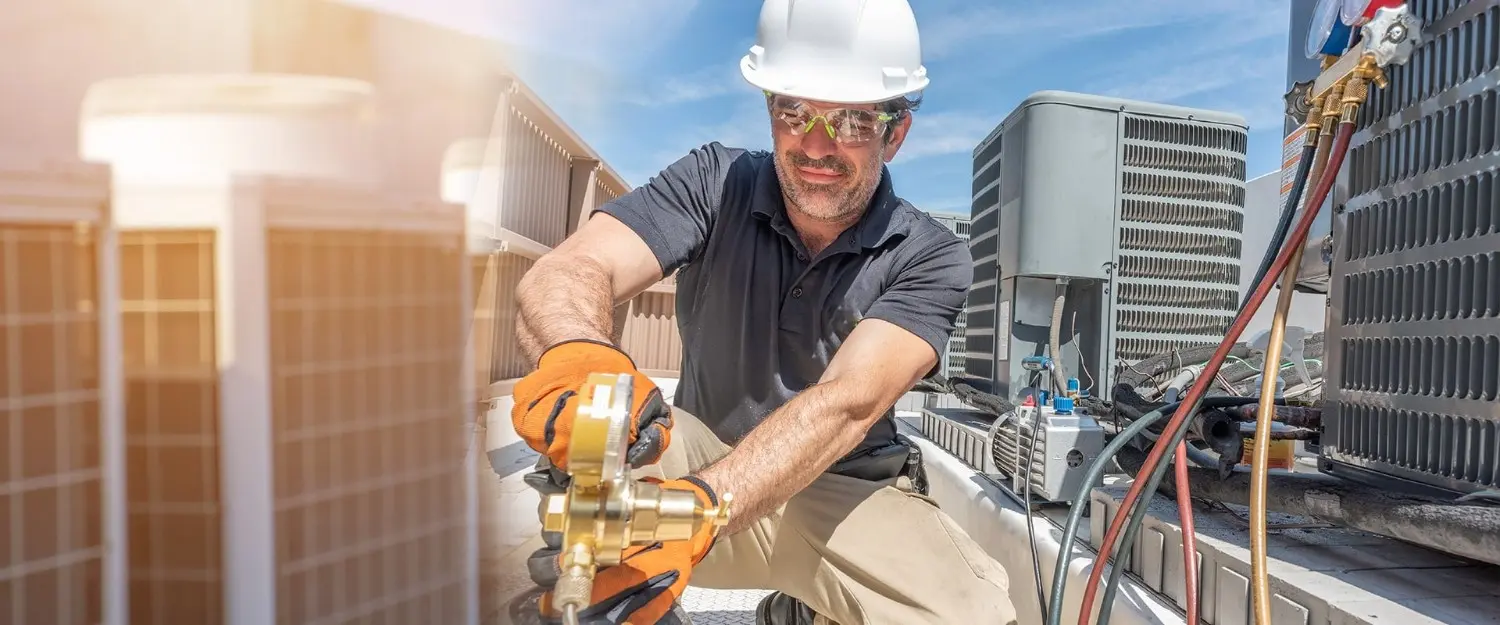
We focus on delivering systems that handle high-demand cycles without compromising efficiency. Whether your facility utilizes Rooftop Units (RTUs), split systems, or complex VRF (Variable Refrigerant Flow) assemblies, the goal is uninterrupted performance. By analyzing the thermal envelope of your building, we identify areas of heat loss and recommend solutions that stabilize your internal climate, regardless of the weather outside.
Comprehensive Services: Installation to Maintenance
A commercial HVAC strategy involves more than just plugging in a unit. It requires a lifecycle approach that covers initial design, rigorous installation protocols, and ongoing management. Businesses need a partner who can handle the full spectrum of climate control needs without outsourcing critical steps.
- System Design and Load Calculation: Every square foot of your facility is measured to perform a Manual J or commercial equivalent load calculation. This ensures the unit installed is neither undersized (running constantly) nor oversized (short-cycling and wearing out parts).
- Professional Installation: This includes the physical placement of units, secure ductwork connection, electrical integration, and thermostat calibration. Proper installation is the single biggest factor in the longevity of a system.
- Preventative Maintenance Plans: Scheduled inspections are vital for commercial warranties. Technicians inspect belts, lubricate bearings, check refrigerant levels, and clean coils to keep the system running at peak efficiency.
- Emergency Repair Services: When a heater goes down in January, waiting days for a part is not an option. Immediate diagnostic services pinpoint the failure—whether it is a faulty ignition control, a broken heat exchanger, or electrical issues—and resolve it rapidly.
- Ductwork Fabrication and Repair: Leaky ducts can lose up to 30% of conditioned air. Sealing and insulating ductwork ensures that the warm air you pay for actually reaches the workspace.
Installation Process: Step-by-Step Guide
The installation of a new commercial HVAC system is a major capital improvement project. To minimize disruption to your daily operations, the process must be executed with military precision. We adhere to a strict workflow that ensures safety, code compliance, and speed.
- Initial Consultation and Site Survey: First, technicians evaluate the current infrastructure. This involves checking the structural integrity of the roof (for RTUs), the condition of existing ductwork, and the electrical capacity of the building.
- Proposal and System Selection: Based on the survey, you receive a detailed proposal outlining the best equipment for your specific needs. This includes options for different SEER (Seasonal Energy Efficiency Ratio) ratings and AFUE (Annual Fuel Utilization Efficiency) percentages.
- Permitting and Regulatory Compliance: Before a single tool is lifted, the necessary permits are secured. This step ensures that the installation meets all local Butte Falls and Oregon state regulations, protecting you from future liability.
- Decommissioning and Disposal: The old unit is safely disconnected. Refrigerant is recovered according to EPA guidelines to prevent environmental contamination, and the old equipment is hauled away for recycling or disposal.
- System Installation: The new unit is hoisted into place. Technicians connect the supply and return plenums, hook up the condensate drains, and wire the high and low-voltage electrical connections.
- Testing and Commissioning: Once physically installed, the system is not just turned on; it is commissioned. This involves testing static pressure, measuring airflow, checking temperature differentials, and verifying that all safety controls are operational.
- Final Walkthrough: Finally, you receive a full walkthrough of the new system. This includes training on how to use programmable thermostats or building automation systems to maximize energy savings.
Deciding Between Repair and Replacement
One of the most difficult decisions facility managers face is determining when to stop repairing an aging unit and invest in a new one. While repairs may seem cheaper in the short term, the cumulative cost of frequent breakdowns and high energy bills often exceeds the price of a new system. Stone Heating and Air assists businesses in making this financial calculation using clear, objective data.
Consider these factors when evaluating your current equipment:
- The 50% Rule: If the cost of a necessary repair approaches 50% of the value of the system (or the cost of a new unit), replacement is generally the smarter financial move. Investing heavy capital into a dying asset rarely yields a return.
- Age of the Equipment: Commercial HVAC systems typically last between 15 and 20 years. If your system is over 15 years old and experiencing issues, parts may be obsolete or expensive to source. Newer models are significantly more efficient than units manufactured two decades ago.
- Frequency of Breakdowns: If you require service calls multiple times a year, the system has likely reached the end of its reliability curve. Constant downtime disrupts business and frustrates employees.
- Rising Energy Bills: A sudden or steady increase in energy costs without a change in usage patterns indicates that the system is losing efficiency. Internal components like compressors and blower motors have to work harder to produce the same result, drawing more power.
- Comfort Issues: Uneven heating, hot and cold spots, or excessive humidity levels suggest that the system can no longer effectively distribute air or manage the load.
Compliance and Efficiency in Oregon
Operating in Oregon involves adhering to specific environmental and building standards designed to promote energy efficiency. The Oregon Department of Energy and local building authorities enforce codes that dictate everything from the insulation levels of ductwork to the efficiency ratings of new equipment. Ignoring these regulations can lead to fines, failed inspections, and difficulties when trying to sell or lease the property.
Compliance also opens the door to financial incentives. Modern, high-efficiency systems often qualify for rebates and tax credits intended to offset the initial investment. By upgrading to a system that meets or exceeds these state standards, businesses reduce their carbon footprint and their operational overhead simultaneously.
Key compliance and efficiency considerations include:
- Refrigerant Regulations: Older systems utilize refrigerants that are being phased out due to environmental impact. New installations use eco-friendly alternatives that comply with federal and state mandates.
- Ventilation Standards: Commercial spaces must meet specific requirements for fresh air intake to ensure indoor air quality. This is particularly important for medical facilities, restaurants, and crowded office spaces.
- Seismic Bracing: Given the geological activity in the Pacific Northwest, commercial units—especially those on rooftops—must be securely anchored to withstand seismic events. This is a critical safety code requirement.
- Economizer Usage: Many commercial setups in this region benefit from economizers, which use cool outside air to condition the building when the weather permits, significantly reducing the load on the compressor.
Why Choose Us: Experience and Accreditation
Selecting a service provider is a decision that impacts the long-term viability of your business infrastructure. You need a partner with a proven track record of handling complex commercial projects. We bring decades of collective experience to the table, ensuring that every diagnosis is accurate and every installation is flawless.
- Certified Expertise: Technicians hold NATE (North American Technician Excellence) certifications, proving they possess the theoretical knowledge and practical skills required for commercial HVAC work.
- 24/7 Availability: Mechanical failures rarely happen at convenient times. Access to round-the-clock support means that a heating failure on a Friday night does not have to mean a closed business on Saturday morning.
- Licensed and Insured: Full licensing protects your business from liability. We operate in full compliance with all state and local insurance requirements.
- Transparent Communication: You receive clear, written estimates before work begins. There are no hidden fees or surprise charges. The focus is on building a long-term relationship based on trust and performance.
Stone Heating and Air is dedicated to keeping the local business community running smoothly. By providing top-tier heating and cooling services, we help you maintain a comfortable, safe, and efficient environment for your employees and customers. Secure your business’s comfort and efficiency today—contact us now to schedule your commercial HVAC consultation.
Secure Reliable Commercial HVAC Service Today
Ensure your business stays warm, efficient, and fully operational throughout the harsh Butte Falls winter with professional commercial HVAC services from Stone Heating and Air. Our team delivers rapid response times, expert diagnostics, and high-performance system solutions tailored to Oregon’s strict efficiency standards and demanding climate. From emergency repairs to full system upgrades—with financing options available—we help protect your operations, staff, and customers from costly downtime. Contact us today to schedule a commercial site assessment and keep your facility running at peak performance all season long.
- Book Expert Service Or Contact Us