

Facing frequent power outages or preparing for seasonal weather challenges in Oregon requires proactive solutions to protect your home and family. In areas like Shady Cove, where winter storms and grid instability can lead to extended blackouts, a standby generator is more than a luxury; it is a necessity for safety and comfort. Ensure your home stays powered with our certified generator installation services by contacting us or applying for our flexible financing options today.
We provide a seamless transition to backup power through a process designed for reliability and speed.
- Quick installation process, typically completed within a day to get your system online fast.
- Comprehensive warranties that guarantee peace of mind for both the equipment and the labor.
- Financing options available to fit your budget, making whole-home power accessible immediately.
All installations are fully licensed, following Oregon's strict codes and permits, with robust warranties and flexible financing plans.
Comprehensive Standby Power Solutions for Your Home
When the grid fails, your home should not stop functioning. A whole-home standby generator provides a seamless bridge between utility power and backup electricity, often restoring power to your circuits within seconds of an outage. Unlike portable units that require manual setup, refueling, and extension cords, a permanently installed standby generator is integrated directly into your home’s electrical panel.
Choosing a professional installation means you receive a turnkey solution tailored to your specific energy demands. The service includes a full load calculation to determine the exact wattage required to run your essential appliances, HVAC systems, and medical equipment. Whether you require a unit that powers only critical circuits—such as your refrigerator, well pump, and heating system—or a whole-house solution that keeps every light and appliance running, the goal is uninterrupted safety and comfort.
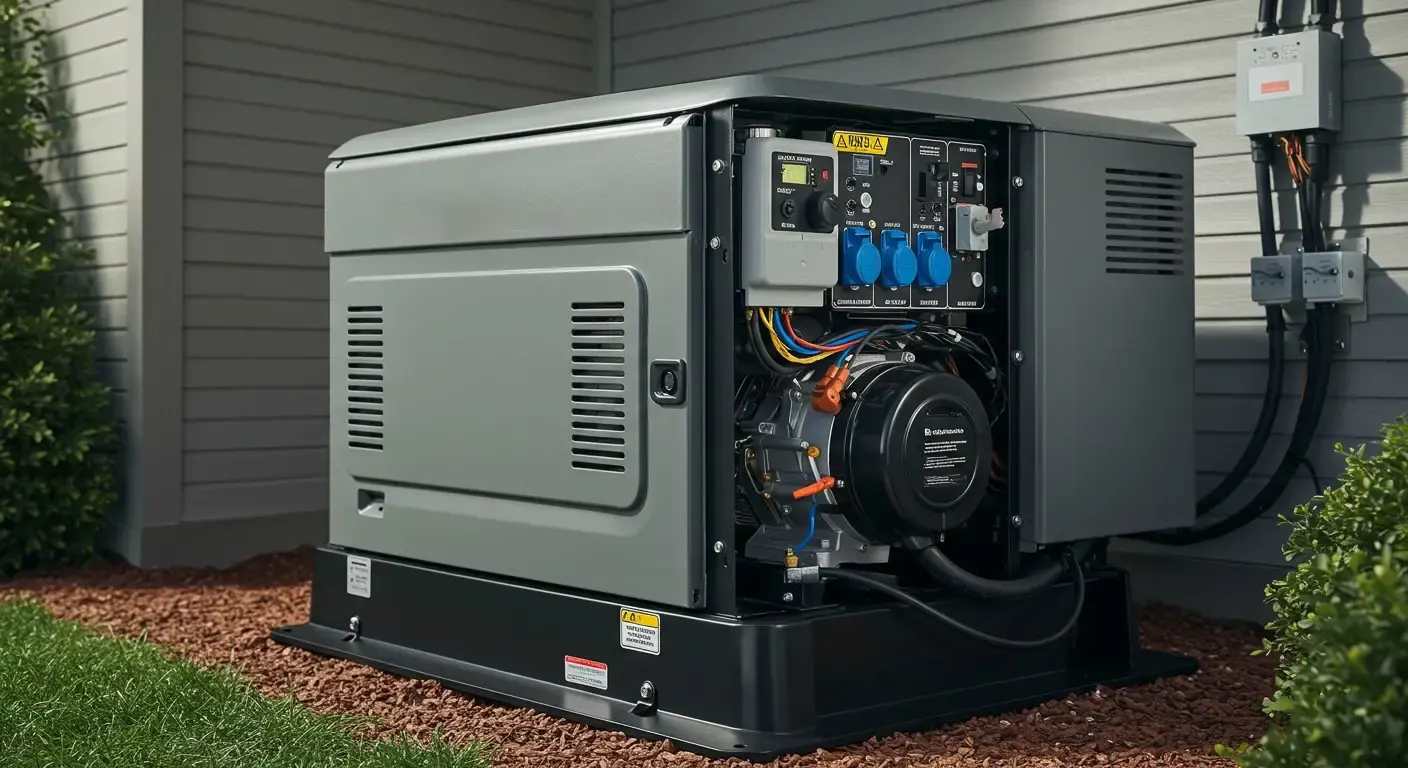
We work with industry-leading brands like Generac, Cummins, and Kohler to ensure high performance and longevity. These units are designed to withstand the Pacific Northwest's specific climate conditions, from damp winters to dry summers. The installation package includes the generator unit, a concrete or composite pad for stability, an automatic transfer switch (ATS), and all necessary fuel piping and electrical conduit work.
The Installation Process: From Assessment to Activation
Installing a standby generator is a complex electrical and mechanical construction project that requires precision. Our process eliminates guesswork and ensures that every component is installed according to manufacturer specifications and local building codes.
- First, a technician conducts a site evaluation to determine the optimal location for the generator. This spot must meet setback requirements from your home, windows, and property lines while remaining accessible for fuel connections and future maintenance.
- Next, we perform a load calculation. This involves analyzing your electrical panel and identifying high-draw appliances to size the generator correctly. Undersizing a generator can lead to system failures, while oversizing creates unnecessary fuel consumption.
- Following the assessment, site preparation begins. This involves leveling the ground and installing a durable pre-cast concrete or composite pad. This base prevents the unit from sinking into the soil during wet Oregon winters and minimizes vibration during operation.
- Once the pad is set, the generator is placed and anchored. The mechanical team connects the fuel source, whether it is an existing natural gas line or a liquid propane tank. If your property in Shady Cove relies on propane, we coordinate the tank sizing and line trenching.
- Simultaneously, the electrical team installs the Automatic Transfer Switch (ATS). This device is the brain of the system. It is mounted near your main electrical panel and acts as the gatekeeper, sensing when utility power drops and signaling the generator to start.
- Finally, the system undergoes a rigorous commissioning process. We simulate a power outage to test the transfer switch, verify voltage and frequency stability, and ensure the unit shuts down properly when grid power is restored.
Automatic vs. Portable: Why Whole-Home Systems Win
Homeowners often debate between purchasing a portable gas generator and investing in a standby system. While portable units have their place, they fall short during extended outages or severe weather events where safety and reliability are paramount. A standby generator offers a level of automation and power quality that portable units cannot match.
A standby generator operates autonomously. You do not need to be home to activate it. If a storm knocks out power while you are at work or on vacation, the system detects the loss of voltage, starts the engine, and transfers the load automatically. This prevents frozen pipes in winter or spoiled food in the refrigerator during summer outages.
Safety is another major differentiator. Portable generators require manual refueling, often with gasoline, which presents fire hazards and storage issues. They also pose a significant risk of carbon monoxide poisoning if not positioned far enough from the home. A standby unit is permanently piped to a continuous fuel source (natural gas or large propane tank), eliminating the need to handle fuel in the dark or rain. Additionally, standby generators produce "cleaner" power with lower total harmonic distortion (THD), which is safe for sensitive electronics like computers, smart appliances, and modern HVAC control boards. Stone Heating and Air ensures that your system is configured to protect your expensive electronics from the voltage fluctuations common with portable units.
Sizing Your System for Maximum Efficiency
Determining the right size for a generator is not a guessing game; it is a calculation of "running watts" versus "starting watts." Many appliances, particularly those with motors like air conditioners, refrigerators, and well pumps, require a surge of power to start up that is significantly higher than what they need to keep running. Failing to account for this surge can cause the generator to stall or trip its breaker immediately upon activation.
- Essential Circuit Coverage: This option focuses on the absolute necessities. We calculate the load for lights, the furnace fan, the refrigerator, the sump pump, and the water heater. This is often the most cost-effective choice for homeowners who can tolerate losing power to non-essential rooms during an outage.
- Managed Whole-Home Coverage: This approach uses load-shedding technology. The system powers the entire house but manages high-demand appliances. For example, if the generator is near capacity, it might temporarily pause the air conditioner to allow the electric oven to heat up, then resume cooling. This allows a smaller, more fuel-efficient generator to power a larger home.
- True Whole-House Coverage: For total peace of mind, we size the generator to handle every electrical load in the home simultaneously. This ensures that life continues exactly as normal, regardless of the weather outside or the status of the utility grid.
Local Considerations: Permits, Fuel, and Weather
Installing a generator in Oregon requires navigating specific regional factors that influence the design and implementation of the system. Local building departments have strict requirements regarding the placement of the unit relative to combustible materials, property lines, and opening windows. We manage the entire permitting process, ensuring that your installation passes all electrical and mechanical inspections — view our gallery of local projects.
Fuel availability is a primary consideration in this region. While natural gas provides a continuous supply, many properties in rural or semi-rural areas rely on propane. We assess your existing fuel storage capacity to ensure you have adequate runtime for extended outages. For propane users, this may involve upgrading the tank size to ensure the generator can run for several days without needing a refill delivery.
The local climate also dictates installation materials. The high moisture content in the Pacific Northwest requires rigorous rust protection and weatherproofing for all external enclosures and connections. We utilize cold-weather kits for the generator engines, which include battery warmers and oil heaters. These components ensure the generator starts reliably even when temperatures drop below freezing, preventing "failure to start" errors during critical winter storms.
When to Replace Your Existing Generator
If you have an older standby generator, you may be wondering if it is time for an upgrade. Generators are engines, and like cars, they have a finite lifespan. Most air-cooled standby generators have a life expectancy of 1,500 to 3,000 run hours, depending on maintenance and brand.
- Parts Availability: As models age, manufacturers discontinue production of specific replacement parts. If a critical component like the control board or the alternator fails and parts are obsolete, replacement is the only option.
- Recurring Repairs: If you find yourself calling for service multiple times a year for different issues, the cost of repairs may soon exceed the value of a new unit. Newer models also offer better fuel efficiency and quieter operation.
- Increased Power Needs: If you have added central air conditioning, a hot tub, or an EV charger since your original generator was installed, your current unit is likely undersized. Attempting to draw more power than the unit is rated for can damage both the generator and your appliances.
- Technology Upgrades: Modern generators come with Wi-Fi monitoring capabilities. This allows you to check the status of your unit, view maintenance alerts, and see run logs directly from your smartphone. If your current unit lacks these diagnostic tools, upgrading can provide better visibility into your home’s power security.
Why Professional Installation is Mandatory
Generator installation is not a DIY project. It involves high-voltage electricity and explosive fuels, a combination that demands professional expertise. The primary risk of improper installation is "backfeeding." This occurs when a generator is connected to the home’s wiring without a properly installed transfer switch. Backfeeding sends electricity back down the utility lines, which can electrocute utility workers attempting to repair the grid.
Manufacturers also require certified installation to honor their warranties. If a unit is installed by an uncertified individual, any future claims for parts or labor may be denied. Professional installers have the training to calibrate the gas pressure correctly; incorrect pressure can cause the engine to run lean (overheating) or rich (carbon buildup), both of which shorten the unit's life.
By choosing a professional service, you ensure compliance with the National Electrical Code (NEC) and local fire codes. We handle the load calculations, the permits, the inspections, and the final startup. This turnkey approach removes the liability from the homeowner and guarantees that the system will perform safely when it is needed most.
Secure Your Home Against Power Failure
Power outages are unpredictable, but your home’s response to them doesn't have to be. A standby generator is an investment in safety, security, and continuity. It protects your property from the damages associated with power loss, such as flooded basements and frozen pipes, while ensuring your family remains comfortable.
Stone Heating and Air is dedicated to providing robust power solutions tailored to the needs of Oregon residents. We handle every aspect of the project, from the initial load calculation to the final inspection, ensuring a system that performs flawlessly for years to come. Don't wait for the next storm to leave you in the dark.
Take control of your power supply today. Contact us to schedule your on-site assessment and discuss the financing options available for your generator installation.
- Book Expert Service Or Contact Us