

Is Your Air Conditioner Ready for the Rogue River Summer Heat?
As Rogue River hits its peak summer temps, the last thing you need is inefficient AC. Don’t wait for a breakdown—ensure your comfort with professional AC maintenance now; contact us regarding our financing options or to book your service today.
- Same-day service available to keep your system in top condition.
- Detailed inspections and maintenance from certified technicians.
- Efficient operations leading to lower energy bills and improved comfort.
All services are backed by verified licensing and comprehensive warranties for your peace of mind.
Comprehensive Scope of AC Maintenance Services
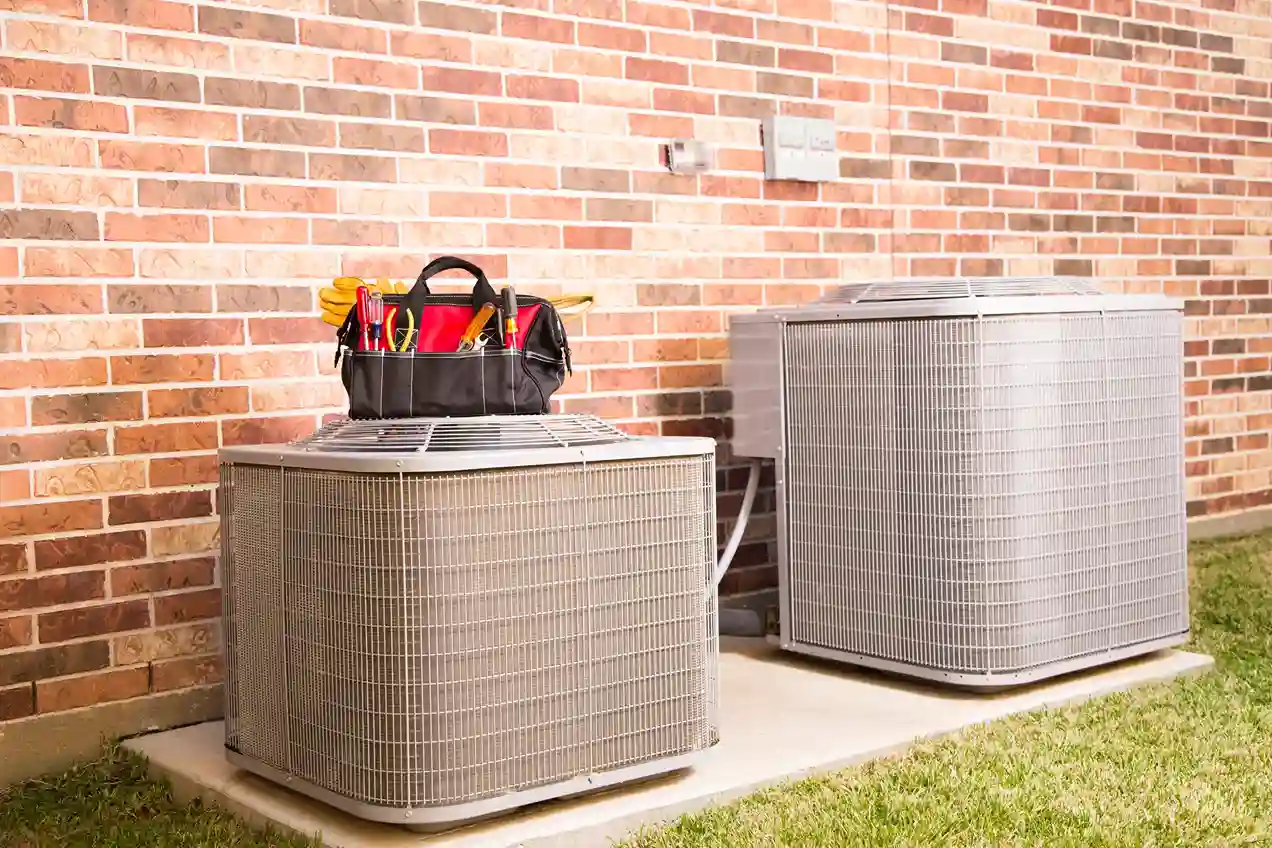
When the summer temperatures in Rogue River begin to climb, your cooling system undergoes significant stress. A standard air conditioner functions by moving heat from inside your home to the outdoors, a process that requires precise coordination between electrical components, refrigerants, and airflow mechanics. Neglecting this system until it fails results in emergency service calls that are often more expensive and inconvenient than proactive care.
Stone Heating and Air provides a rigorous maintenance protocol designed to restore your unit to factory specifications. This is not merely a visual inspection; it is a deep cleaning and calibration service. Over time, vibration loosens electrical connections, friction wears down motor bearings, and dust accumulation insulates coils, making heat transfer difficult. Our service addresses these physical degradation points directly. By tightening connections, lubricating moving parts, and chemically cleaning coils, we reduce the electrical load on the system. This reduction in resistance means the compressor and fans do not have to work as hard to achieve the desired temperature, directly impacting the longevity of the equipment.
Homeowners often underestimate the complexity involved in a proper tune-up. It involves measuring refrigerant levels to the exact ounce, as both overcharged and undercharged systems struggle to dehumidify and cool effectively. We assess the condition of the condensate drain line to prevent water damage and check the thermostat's calibration to ensure your indoor climate matches your settings. This comprehensive approach ensures that when you turn the thermostat down, the system responds immediately and efficiently.
The Professional Maintenance Process: What to Expect
Understanding what happens during a service visit helps homeowners make informed decisions about their property. A professional maintenance appointment typically takes between one to two hours, depending on the accessibility of the unit and the level of cleaning required. The process is systematic and thorough, leaving no component unchecked.
- System Diagnostics and Safety Check: The technician begins by cycling the system to listen for irregular noises and measure starting capabilities. This includes testing the capacitor, which acts as the battery for starting the compressor. A weak capacitor is a leading cause of compressor failure during heatwaves. Safety controls are tested to ensure the unit shuts down properly in the event of a fault, protecting both the equipment and the home.
- Airflow and Filtration Analysis: Airflow is the lifeblood of an air conditioning system. Technicians inspect the blower motor and wheel for dust buildup, which can significantly restrict air movement. The air filter is examined and replaced if necessary. In many local homes, return air ducts can become restricted; we measure static pressure to ensure the ductwork is sized correctly for the unit, verifying that the system isn't "suffocating" due to poor airflow.
- Coil Cleaning and Debris Removal: The outdoor condenser coil is responsible for releasing the heat absorbed from your home. If this coil is covered in dirt, grass clippings, or pollen, the heat remains trapped in the system, causing the compressor to overheat. We utilize specialized cleaning solutions and water pressure to flush out debris from the delicate aluminum fins without bending them.
- Refrigerant Charge Verification: Using digital gauges, we measure the subcooling and superheat levels of the refrigerant. This data tells us exactly how the refrigerant is changing state inside the coils. If a leak is suspected, it is identified early before the system loses its cooling capacity entirely.
- Electrical Component Tightening: Every electrical connection is inspected. Loose wires cause arcing and pitting, which can lead to burnt wires or failed components. We tighten all terminals and inspect the contactor for signs of pitting, ensuring a clean and reliable electrical path.
The Technical Impact of Dirty Coils and Filters
Many homeowners assume that changing a filter is the extent of necessary maintenance. However, the internal components accumulate microscopic debris that a standard filter cannot catch. The evaporator coil, located inside the air handler, is constantly wet due to condensation. This moisture acts as a magnet for dust, creating a sludge that coats the coil fins.
- Heat Transfer Inhibition: When the evaporator coil is dirty, it cannot absorb heat effectively from the air passing over it. This leads to longer run times as the system struggles to reach the set temperature. In severe cases, the coil drops below freezing, causing ice to form. This ice block completely stops airflow, potentially damaging the compressor due to liquid slugging.
- Compressor Strain: The compressor is the heart of the AC unit and the most expensive part to replace. When coils are dirty, the pressure within the system rises. The compressor must work against this high head pressure, drawing more amperage and generating excessive heat. This chronic strain shortens the compressor's lifespan significantly, turning a 15-year asset into a 7-year failure.
- Bacterial Growth and Odors: The sludge on a dirty coil is a breeding ground for mold and bacteria. As air passes over this contamination, it circulates spores and musty odors throughout the living space. Professional chemical cleaning eliminates this biological growth, improving the indoor air quality and preventing "dirty sock syndrome."
Deciding Between Repair, Maintenance, and Replacement
There comes a point in the lifecycle of every air conditioning unit where maintenance is no longer the most improved financial decision. While our goal is to extend the life of your current system, we also provide transparent data to help you decide when an upgrade is necessary. This decision is based on technical metrics rather than guesswork.
- Age and Refrigerant Type: Units older than 10-15 years often utilize R-22 refrigerant, which has been phased out and is prohibitively expensive to replace. If an older unit develops a refrigerant leak, the cost of the repair often exceeds 50% of the value of a new system. In these scenarios, replacement is the more logical path.
- Frequency of Breakdown: If a system requires repairs every season despite regular maintenance, it indicates that the internal components are reaching the end of their fatigue life. Continuing to patch a failing system is often throwing good money after bad. We analyze the repair history to identify patterns of failure.
- Efficiency Ratings (SEER): Older units often operate at 10 SEER or lower. Modern standards require higher efficiency, often 14 SEER or above. Replacing an aging unit can result in immediate energy savings of 20% to 40%. If your summer utility bills in Rogue River are escalating despite usage remaining constant, the unit’s efficiency has likely degraded beyond what maintenance can restore.
- Major Component Failure: If the compressor fails or the heat exchanger is cracked, the repair cost is substantial. We compare the cost of this major repair against the cost of a new system with a fresh warranty. We provide you with the numbers so you can assess the return on investment for both options.
Local Climate Considerations for Cooling Systems
The climate in Southern Oregon presents specific challenges for air conditioning hardware. The region experiences distinct seasonal shifts, with summers that are dry and hot, often accompanied by periods of poor air quality due to regional wildfires. These environmental factors dictate specific maintenance needs that generic service checklists often miss.
- Wildfire Smoke and Particulates: During fire season, fine particulate matter saturates the air. This ash is abrasive and acidic. It can bypass standard filters and coat the internal electronics and coils of your AC unit. Post-summer maintenance is critical to remove this corrosive ash before the wet winter season sets in, which would otherwise turn the ash into a cement-like substance on the coils.
- Heat Load Fluctuations: Days can be scorching while nights cool down significantly. This temperature swing causes expansion and contraction in the metal components of the unit, specifically refrigerant lines and electrical connections. Annual tightening of these fittings is essential to prevent refrigerant leaks caused by thermal cycling.
- Dry Climate and Static Electricity: The low humidity in summer increases static electricity, which attracts more dust to the fan blades and motor housings. Keeping these components clean is vital for maintaining proper motor balance and preventing overheating.
Manufacturer Warranty Requirements
Most homeowners are unaware that their AC manufacturer’s warranty is contingent upon proof of regular professional maintenance. The fine print in warranties from major brands like Carrier, Trane, Lennox, and Goodman almost always states that failures caused by lack of maintenance are not covered.
- Documentation is Key: If a compressor fails five years into a ten-year warranty, the manufacturer may request service records. If you cannot prove the unit was cleaned and inspected annually by a licensed professional, they may deny the claim. Our service visits generate the necessary documentation to keep your warranty valid.
- Parts vs. Labor: Standard warranties cover parts but rarely cover labor after the first year. Maintenance helps prevent parts from failing, saving you the labor cost of replacement. Furthermore, extended labor warranties often require adherence to a strict maintenance schedule.
- Identifying Manufacturing Defects: Regular inspections allow us to spot manufacturing defects before they cause catastrophic failure. Identifying a weak weld or a faulty batch of capacitors early allows for warranty replacement before the issue damages other non-warrantied components.
Technical Analysis of Electrical Safety
Air conditioners draw a significant amount of power. A central AC unit is typically the largest electrical consumer in a home. Ensuring the electrical integrity of the system is a matter of safety as much as performance.
- Contactors and Relays: The contactor is a heavy-duty switch that controls power to the compressor. Every time the AC turns on, this switch engages. Over thousands of cycles, the metal contacts become pitted and charred. This creates resistance, which generates heat. If left unchecked, a pitted contactor can fuse shut, causing the AC to run continuously until the compressor burns out or the breaker trips.
- Wiring Integrity: Vibration from the compressor can cause wire insulation to rub against copper tubing or metal casings. If the insulation wears through, a short circuit occurs. We inspect wire routing and secure loose wires with zip ties to prevent "rub-outs."
- Disconnect Boxes: The outdoor disconnect box contains fuses or a breaker. These components are exposed to the elements. We inspect the disconnect box for signs of water intrusion, rust, or spider webs that could interfere with the electrical connection.
Why Professional Service Outperforms DIY
While changing a filter is a great homeowner task, the technical aspects of AC maintenance require specialized tools and training. Attempting to service a unit without proper knowledge can be dangerous and ineffective.
- High Voltage Danger: AC units utilize 240-volt electricity. Touching the wrong terminal or capacitor can result in severe injury or death. Capacitors store a lethal charge even when the power is turned off. Our technicians are trained in arc flash safety and proper discharge procedures.
- Refrigerant Handling: Handling refrigerant requires EPA certification (Section 608). Venting refrigerant into the atmosphere is illegal and environmentally damaging. Accurately reading refrigerant pressures requires understanding the pressure-temperature relationship, which varies by refrigerant type. A "top-up" based on guesswork often leads to an overcharged system that cools poorly and risks compressor damage.
- Chemical Handling: The chemicals used to clean coils are often caustic or acidic. If not diluted and rinsed properly, they can eat through the aluminum fins of the coil. Professionals use biodegradable, coil-safe cleaners and know exactly how long to let them dwell before rinsing.
Optimizing Energy Bills Through Calibration
Efficiency is not a static number; it drifts over time. A unit rated for 16 SEER may perform at 10 SEER if not calibrated correctly. The goal of maintenance is to bring the running efficiency as close to the nameplate rating as possible.
- Superheat and Subcooling: These technical metrics indicate how much liquid vs. vapor is in the lines. If these numbers are off, the system is wasting energy. Correcting the charge ensures every dollar spent on electricity results in maximum cooling.
- Thermostat Anticipators: Older mechanical thermostats have heat anticipators that must be tuned to the amperage of the gas valve or cooling circuit. Modern digital thermostats also have cycle rate settings. Ensuring these are correct prevents "short cycling," where the unit turns on and off too frequently, spiking energy usage.
- Blower Speed Adjustments: The speed of the blower fan must match the cooling load. If the fan runs too fast, humidity is not removed. If it runs too slow, the coil freezes. We adjust blower taps or program variable speed motors to optimize the balance between cooling and dehumidification.
Secure Your Comfort for the Season: Contact Us Today
The reliability of your cooling system should not be a gamble. As temperatures rise in Rogue River, the demand on your AC unit increases exponentially. Proactive maintenance is the only way to ensure that your system can handle the heat load without faltering. It protects your investment, lowers your monthly operational costs, and ensures a comfortable environment for your home.
Waiting until the system stops working puts you in a long queue during the busiest time of the year. By acting now, you secure priority service and prevent the stress of a mid-summer emergency. Stone Heating and Air is dedicated to providing the thorough, technical service required to keep your air conditioner running at peak performance.
Don't let the heat catch you unprepared. Schedule your comprehensive AC maintenance today to guarantee a cool and comfortable summer.
- Book Expert Service Or Contact Us