

When the temperature drops into the thirties during a Sams Valley winter, a heating system that cycles intermittently or blows tepid air becomes an immediate liability rather than a source of comfort. If your furnace or heat pump is showing signs of inefficiency or failure, contact us immediately to schedule a diagnostic visit or inquire about our financing options. We provide rapid, same-day service to ensure your home remains safe and habitable when the weather turns wet and cold.
- Rapid response times minimize the duration your home is without heat.
- Comprehensive safety checks prevent hazardous carbon monoxide leaks and electrical failures.
- Transparent, flat-rate pricing ensures you know the cost before work begins.
All maintenance and repair work is fully licensed, insured, and backed by a solid warranty for peace of mind. Stone Heating and Air is prepared to restore your system’s performance efficiently and effectively.
What Our Heating Maintenance Service Includes
Effective heating maintenance goes beyond a simple filter change; it involves a rigorous inspection of the mechanical and electrical components that drive your HVAC system. A professional tune-up is designed to identify wear and tear before it results in a catastrophic breakdown. In the damp climate typical of the Pacific Northwest, moisture can lead to corrosion within the system, making detailed inspections vital for longevity.
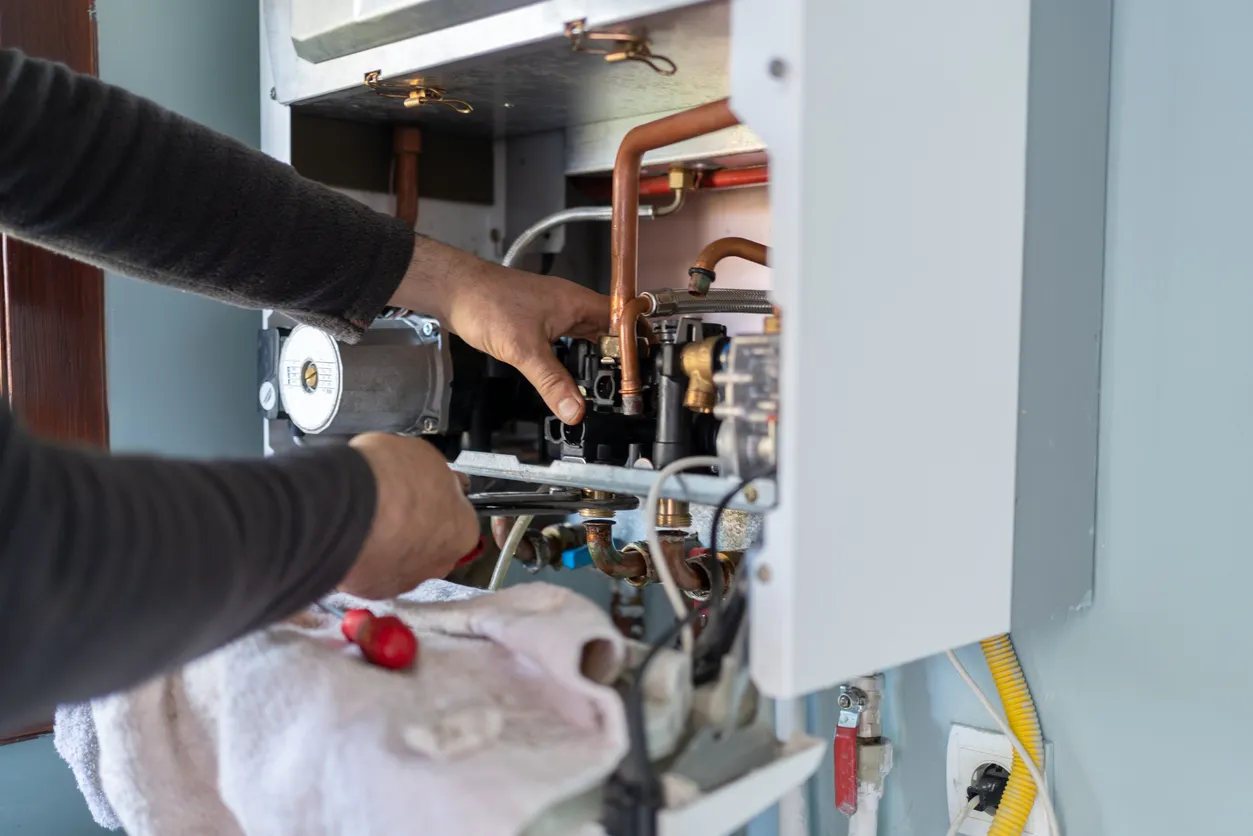
We focus on the critical components that dictate efficiency and safety. This includes a thorough cleaning of the blower assembly. Over time, dust and debris build up on the blower blades, adding weight and causing the motor to work harder than necessary. This increased strain leads to higher amp draw, overheating, and eventual motor burnout. By cleaning these components, we restore proper airflow and reduce energy consumption.
The ignition system and burner assembly also require precise calibration. If the burners are dirty, they cannot mix fuel and air correctly, leading to incomplete combustion. This not only wastes fuel but can also create soot buildup that blocks the heat exchanger. Our technicians meticulously clean the burners and test the ignition sequence to ensure the flame lights instantly and burns a steady, blue color, which indicates efficient combustion.
Safety mechanisms are a priority during every maintenance visit. We test the high-limit switch, which prevents the furnace from overheating, and the flame sensor, which ensures gas is not flowing unless a fire is present. If these safety controls fail, the system can become a fire hazard. Additionally, we inspect the heat exchanger for any signs of cracks or separation. A compromised heat exchanger is the primary source of carbon monoxide leaks in gas furnaces, making this specific check non-negotiable for household safety.
Electrical connections are tightened and inspected for signs of pitting or corrosion. Loose connections create resistance, which generates heat and can melt wires or damage sensitive control boards. We measure the voltage and amperage of all motors to ensure they are operating within manufacturer specifications. Finally, we calibrate the thermostat to ensure that the temperature reading on your wall matches the actual temperature in the room, eliminating short-cycling and uneven heating.
Our Step-by-Step Approach to System Optimization
We utilize a structured protocol to ensure every aspect of your heating system is evaluated and optimized. This process eliminates guesswork and ensures that no component is overlooked, regardless of the make or model of your equipment.
- Initial Assessment and Operation Check
- The technician arrives and discusses any specific issues you have noticed, such as odd noises, cold spots, or rising utility bills.
- We run the system through a full heating cycle to observe its startup, operation, and shutdown sequence.
- Temperature differentials are measured between the supply and return air to gauge the system's heat transfer efficiency.
- Internal Cleaning and Inspection
- Power to the unit is turned off to ensure safety during the internal examination.
- The cabinet is opened, and the interior is vacuumed to remove dust, spider webs, and debris that accumulate throughout the year.
- Filters are inspected and replaced or cleaned as needed, as restricted airflow is the leading cause of premature component failure.
- Mechanical and Electrical Tuning
- Moving parts, such as fan motors and bearings (on older models), are lubricated to reduce friction and wear.
- The capacitor, which helps start the motors, is tested for its microfarad rating; a weak capacitor is a common cause of mid-winter breakdown.
- Gas pressure is measured and adjusted at the manifold to ensure the furnace is burning fuel at the correct rate specified by the manufacturer.
- Final Safety and Performance Verification
- We conduct a carbon monoxide test around the unit and in the living space to ensure air quality standards are met.
- The system is restarted, and we verify that all panels are securely fastened to prevent air leakage.
- A detailed report is generated, outlining the work performed and flagging any parts that are nearing the end of their service life so you can plan for future repairs.
Determining When to Maintain vs. When to Replace
Homeowners often struggle to decide whether to continue investing in maintenance for an aging unit or to opt for a full replacement. While maintenance extends the life of a system, there is a financial tipping point where repair costs outweigh the benefits of keeping an old unit running. Making this decision requires analyzing the age of the system, the frequency of breakdowns, and current efficiency ratings.
- The Age Factor
- Most gas furnaces and heat pumps have a lifespan of 15 to 20 years. If your equipment is approaching or has surpassed this range, major components like the compressor or heat exchanger are at high risk of failure.
- Even with diligent maintenance, metal fatigue and electrical degradation are inevitable. If your system is over 15 years old, maintenance becomes a stop-gap measure rather than a long-term solution.
- Frequency and Cost of Repairs
- If you find yourself calling for service multiple times in a single winter, the system has likely become unreliable.
- A general rule of thumb used in the industry is the "5,000 Rule." Multiply the age of the equipment by the estimated repair cost. If the total exceeds $5,000, replacement is generally the more fastidious financial choice.
- Stone Heating and Air can provide a cost-benefit analysis based on the specific condition of your unit during a maintenance visit.
- Efficiency and Performance
- Older systems operate at lower efficiency levels, often around 60-70% AFUE (Annual Fuel Utilization Efficiency), meaning 30-40 cents of every dollar spent on heating is wasted.
- Modern systems achieve efficiency ratings of 95% or higher. If your energy bills are steadily climbing despite regular maintenance, the internal wear of the system is likely causing it to consume more energy to produce the same amount of heat.
- Uneven heating, where some rooms are freezing while others are hot, indicates that the system no longer has the capacity or airflow dynamics to handle the home's load effectively.
Understanding Sams Valley Heating Requirements & Regulations
Operating a heating system in Sams Valley presents specific challenges due to the local Mediterranean climate. While summers are dry, the winters are characterized by significant precipitation and temperatures that regularly dip into the low 30s. This wet season, typically extending from November to March, creates high humidity levels that can impact HVAC equipment.
Moisture is the enemy of heating systems, particularly for units located in unconditioned spaces like crawl spaces or attics. High humidity can accelerate rust on the heat exchanger and burners. Electrical contacts are also susceptible to oxidation in damp environments. Our maintenance protocols include specific checks for moisture-related damage that are essential for homes in this region. We inspect flue pipes for proper venting to ensure that condensation—a byproduct of combustion—is draining correctly and not pooling inside the furnace, which can lead to premature corrosion.
From a regulatory standpoint, modifications to heating systems often require adherence to local building codes. While routine maintenance generally does not require a permit, significant repairs or replacements involving gas lines or electrical circuits do. Ensuring your system is up to code is not just a legal formality; it ensures that your insurance coverage remains valid in the event of an incident. We verify that venting clearances meet local standards and that gas piping is properly supported and grounded.
Furthermore, local utility providers may offer rebates or incentives for maintaining high-efficiency systems. Proof of annual maintenance by a licensed professional is often a requirement to keep manufacturer warranties valid. If a part fails under warranty but you cannot prove the system was maintained, the manufacturer may deny the claim. We provide the necessary documentation to ensure your warranty remains intact and you remain eligible for any available local energy programs.
Technical Precision and Verified Reliability
Choosing a service provider for heating maintenance is a decision that impacts your home's safety and your budget. The difference between a cursory check and a professional tune-up lies in the technical precision applied to the diagnostic process. We utilize advanced diagnostic tools, including manometers for gas pressure, combustion analyzers for flue gases, and multimeters for electrical components, to get an accurate read on your system’s health.
Reliability stems from a standardized process that leaves no room for error. Our technicians are trained to identify the root cause of potential issues rather than just treating the symptoms. For example, if a limit switch keeps tripping, we don't just reset it; we investigate airflow restrictions or blower motor issues that are causing the overheating in the first place. This depth of service prevents recurring issues and ensures that when we leave, the system is operating at peak performance.
We also prioritize the integrity of your home environment. Technicians use drop cloths and shoe covers to protect your flooring and ensure the workspace is left cleaner than it was found. We communicate clearly regarding what was done, what needs attention, and how you can operate your system more efficiently. There are no surprise fees or unauthorized repairs; every recommendation is explained with evidence so you can make an informed decision.
Maintaining a comfortable home in Sams Valley requires a heating partner who understands the urgency of winter weather and the technical demands of modern HVAC equipment. Stone Heating and Air delivers this level of expertise with every service call.
Secure your appointment for comprehensive heating maintenance today and ensure your home stays warm regardless of the forecast.
Keep Your Home Safe, Efficient, and Winter-Ready With Professional Heating Maintenance
Cold, wet winters in Sams Valley demand a heating system that performs reliably, efficiently, and safely every time it turns on. Preventive maintenance is the most effective way to avoid mid-season breakdowns, rising energy bills, and dangerous issues like carbon monoxide leaks or electrical failures. At Stone Heating and Air, our meticulous, data-driven maintenance protocols ensure your furnace or heat pump is inspected, cleaned, calibrated, and optimized for peak performance. With advanced diagnostic tools, region-specific expertise, and a commitment to transparent communication, we help you extend equipment life, improve indoor comfort, and prevent costly repairs before they occur. Don’t wait for the next cold snap to expose hidden issues—contact us today to schedule your comprehensive heating maintenance and protect your home with the trusted professionals at Stone Heating and Air.
- Book Expert Service Or Contact Us