

Finding reliable HVAC services for your business can be challenging, especially when unexpected breakdowns disrupt your daily operations and impact your bottom line. An inefficient or broken system compromises employee productivity and can damage temperature-sensitive inventory, requiring immediate intervention from seasoned professionals. Contact us today to schedule an on-site assessment or inquire about our flexible financing options.
Businesses in Sams Valley, Medford, Grants Pass, and the surrounding Southern Oregon regions require robust climate control strategies to handle the variance between hot summers and damp winters. When a commercial system fails, the priority is minimizing downtime and restoring a safe, comfortable environment for staff and customers.
We provide the following outcomes for your commercial facility:
- Quick response times with 24/7 emergency services available to prevent operational halts.
- Professional installation and complex repairs performed by certified, background-checked technicians.
- Clear, upfront pricing and free estimates on all major projects to ensure budget alignment.
You can rest assured knowing our team is fully licensed, compliant with all local commercial building codes, and ready to handle systems of any scale.
Immediate Solutions for Commercial HVAC Requirements
Commercial heating and cooling systems differ significantly from residential units in terms of load, complexity, and usage patterns. When you request service today, the focus is on diagnosing the root cause of the inefficiency or failure immediately. Whether the facility utilizes rooftop units (RTUs), split systems, or complex zoning configurations, the objective is to restore functionality without disrupting your business workflow.
A technician arrives equipped to handle the unique demands of commercial infrastructure. This includes inspecting three-phase electrical connections, checking large-scale drainage systems, and evaluating the performance of economizers and make-up air units. The service scope covers everything from minor component replacements—such as belts, contactors, and sensors—to major overhauls of compressors and heat exchangers.
Stone Heating and Air prioritizes accuracy in diagnosis. Instead of guessing, technicians utilize advanced diagnostic tools to measure static pressure, refrigerant levels, and airflow volume. This data-driven approach ensures that the solution provided addresses not just the symptom, but the underlying issue causing the breakdown.
Key components of the service visit include:
- System Diagnostics: Comprehensive testing of electrical and mechanical components to pinpoint failure points.
- Airflow Analysis: Verifying that ductwork and blowers are delivering the correct volume of air to all zones.
- Control Calibration: ensuring thermostats and building management systems are communicating correctly with the equipment.
- Safety Inspection: Checking for gas leaks, carbon monoxide issues, and electrical hazards that could violate safety codes.
The Commercial Installation and Replacement Process
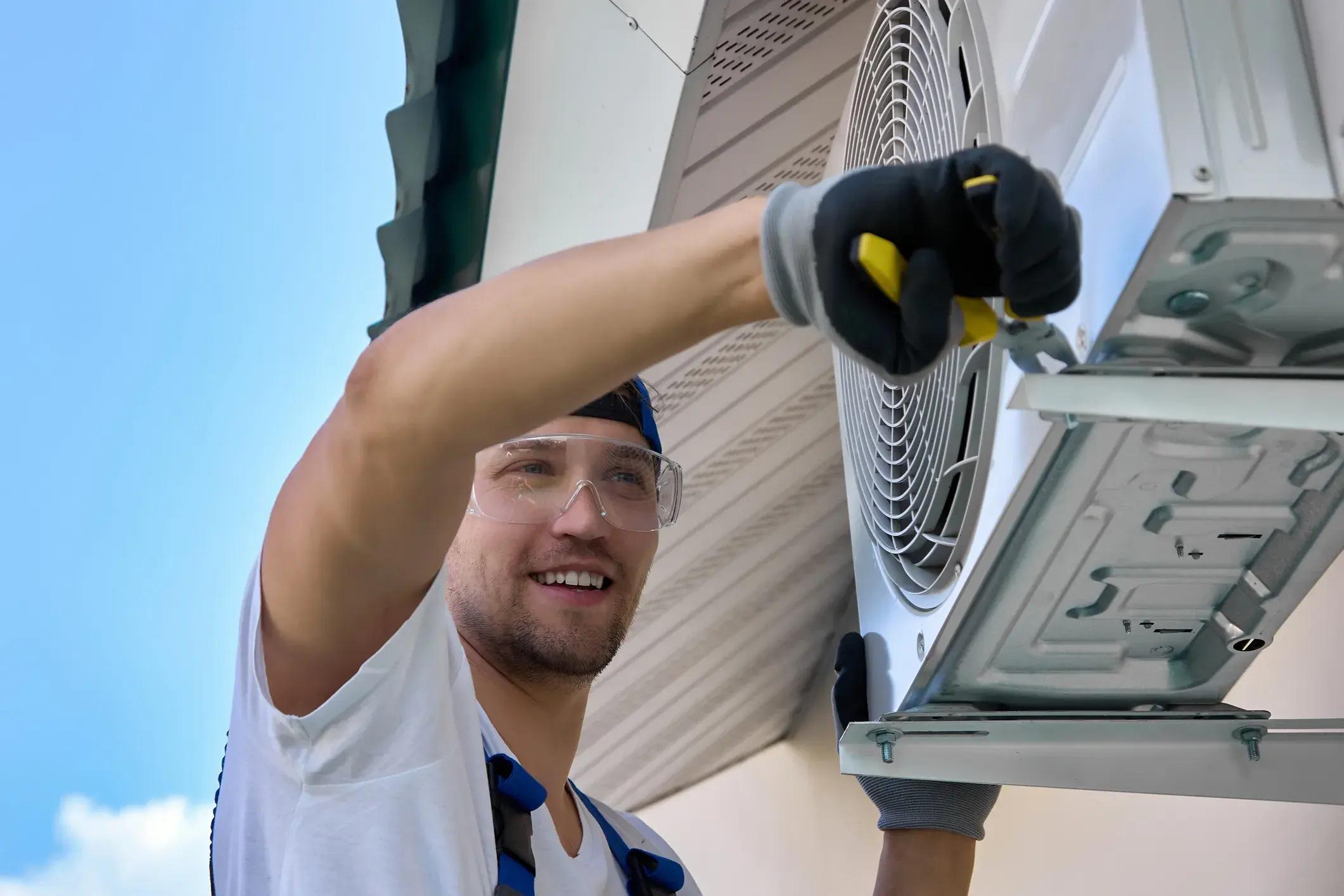
Installing or replacing a commercial HVAC system is a significant capital improvement that requires meticulous planning and execution. The process moves beyond simple equipment swapping; it involves engineering a solution that matches the specific thermal load of the building. This ensures that the new system operates at peak efficiency, keeping utility costs manageable while maintaining consistent comfort levels.
The installation workflow follows a strict protocol to ensure quality and code compliance:
- Load Calculation: Technicians perform a detailed load calculation based on the building’s square footage, occupancy levels, lighting heat load, and equipment usage. This step is critical because an oversized unit will short-cycle and wear out prematurely, while an undersized unit will fail to maintain temperature during peak summer or winter days in Sams Valley.
- System Design and Selection: Based on the load calculation, the appropriate equipment is selected. This may involve packaging units for flat roofs or split systems for buildings with specific aesthetic or structural constraints. Attention is given to SEER and IEER ratings to maximize energy efficiency.
- Ductwork and Infrastructure Assessment: Existing ductwork is inspected for leaks, insulation failures, and proper sizing. In many commercial retrofits, modifications to the plenum or supply lines are necessary to accommodate modern, high-efficiency equipment.
- Safe Removal and Disposal: Old equipment represents a liability. The team handles the disconnection of electrical and gas lines, recovers refrigerant according to EPA guidelines, and safely cranes or transports the old units off-site for proper disposal.
- Precision Installation: The new units are set in place, leveled, and secured. Electrical connections are hardwired, condensate drains are piped, and refrigerant lines are brazed and pressure-tested to ensure there are no leaks.
- Commissioning and Balancing: Once installed, the system is not merely turned on. It is commissioned. This involves adjusting blower speeds, setting gas manifold pressure, and balancing airflow registers to ensure every office, warehouse corner, or retail space receives the designed amount of conditioned air.
Deciding Between Commercial Repair and System Replacement
One of the most difficult decisions for a facility manager or business owner is determining when a repair is no longer financially viable. While a quick fix is often the most attractive short-term option, continuing to patch an aging system can lead to higher long-term costs through inefficiency and repeated service calls.
To make an informed decision, consider the "50% Rule." If the cost of the repair approaches 50% of the value of a new system, replacement is generally the smarter financial move. Additionally, commercial equipment typically has a lifespan of 15 to 20 years. If the current units are nearing this age, reliability will naturally degrade.
Factors influencing the decision include:
- Frequency of Breakdowns: If the system requires service multiple times a year, the cumulative cost of service calls and downtime likely outweighs the monthly financing cost of a new, warrantied unit.
- Energy Efficiency Ratings: Older commercial units often operate with significantly lower efficiency ratings compared to modern standards. Upgrading to a high-efficiency system can result in substantial utility savings, often offsetting a portion of the installation cost over time.
- Refrigerant Type: Older systems may still utilize R-22 refrigerant, which has been phased out. Repairs involving R-22 are becoming prohibitively expensive due to scarcity. Modern systems use environmentally friendly refrigerants that are readily available and cheaper to service.
- Comfort Consistency: If the current system cannot maintain consistent temperatures, leading to hot or cold spots that affect employee productivity or customer experience, a modern system with better zoning capabilities is the solution.
Regional Factors Impacting HVAC in Southern Oregon
Operating commercial HVAC equipment in Southern Oregon presents specific challenges due to the regional climate. The area experiences a distinct seasonality that stresses systems in different ways throughout the year. Summers in the Rogue Valley can see temperatures climbing into the 90s, requiring air conditioning units to run under heavy loads for extended periods. Conversely, winters bring temperatures in the 20s, accompanied by significant precipitation.
These environmental factors dictate specific maintenance and installation requirements:
- Humidity and Moisture Control: With annual precipitation around 25-30 inches, largely concentrated in winter, moisture management is essential. Commercial systems must be equipped to dehumidify effectively to prevent mold growth and maintain indoor air quality. Rooftop units must be properly sealed and flashed to prevent water intrusion during heavy rains.
- Economizer Usage: The region’s cooler nights and mild shoulder seasons make economizers a valuable addition to commercial systems. These devices allow the system to bring in fresh, cool outdoor air to condition the building without running the mechanical compressor, saving significant energy.
- Wildfire Smoke Mitigation: Southern Oregon is prone to wildfire smoke in late summer. Commercial HVAC systems should be evaluated for filtration upgrades. Installing high-MERV filters or additional air scrubbers helps maintain breathable indoor air quality even when outdoor air quality is hazardous.
- Permitting and Compliance: Commercial HVAC projects in this region are subject to strict oversight. Whether in Sams Valley, Medford, or Grants Pass, all installations must adhere to Oregon Building Codes. This includes obtaining the necessary mechanical and electrical permits before work begins. Professional contractors handle this administrative burden, ensuring that the installation passes all city and county inspections.
- Utility Rebates: Local utility providers often offer rebates for upgrading to energy-efficient commercial equipment. Navigating these programs requires knowledge of the specific eligibility criteria, such as minimum efficiency ratings (SEER/HSPF) and installation by licensed contractors.
Minimizing Downtime with Expert Commercial Services
The primary goal of any commercial HVAC service is to ensure the continuity of business operations. Downtime is expensive, not just in terms of repair costs, but in lost productivity and sales. Selecting a service provider focuses on technical competence and the ability to execute complex projects with minimal intrusion.
Expert providers differentiate themselves through:
- Preventative Maintenance Plans: Scheduled maintenance is the defense against emergency breakdowns. Regular inspections clean coils, tighten electrical connections, and lubricate moving parts, extending the life of the equipment and maintaining the manufacturer’s warranty.
- Zoning Expertise: Many commercial buildings have diverse usage needs—a server room requires different cooling than a conference room or a warehouse floor. Expertise in zoning systems ensures that every area receives the specific climate control it requires without wasting energy in unoccupied zones.
- Safety Protocols: Commercial sites often present hazards such as high voltage, heights, and confined spaces. Professional technicians are trained in OSHA safety standards to protect themselves, your employees, and your property during service.
- Transparent Communication: You receive detailed reports on the health of your system, explaining what was done and what future issues to watch for. There is no guesswork regarding the invoice or the scope of work performed.
Ensuring your business remains operational regardless of the weather requires a proactive approach to heating and cooling. From emergency repairs on a sweltering July afternoon to a full system retrofit during the off-season, professional intervention secures your investment and comfort.
For reliable commercial HVAC services that prioritize your business needs, schedule your service today.
Choose Stone Heating and Air for Reliable Commercial HVAC Support
When you’re responsible for keeping a commercial facility safe, comfortable, and code-compliant, you need a partner you can trust to respond quickly and get the job done right the first time. Stone Heating and Air combines regional expertise, advanced diagnostics, and turnkey project management to keep your building’s HVAC systems running efficiently through Southern Oregon’s hot summers and damp winters. From emergency repairs and strategic replacements to ongoing maintenance plans, our team helps you reduce downtime, control operating costs, and protect your employees, customers, and assets. To learn more or to schedule service, contact us today and discover why businesses across Sams Valley, Medford, Grants Pass, and the surrounding areas rely on Stone Heating and Air for their commercial HVAC needs.
- Book Expert Service Or Contact Us