

Is Your Heating System Failing During The Coldest Nights?
Facing unexpected heating failures during Kerby's chilly, wet winters creates immediate frustration and discomfort for your household, especially when temperatures drop after sundown. Contact us now at our dedicated service line or inquire about financing options to schedule a diagnostic visit immediately. Stone Heating and Air ensures your environment stays warm with rapid, reliable repairs that restore safety and livability to your home.
- Same-day diagnostics and repair services to quickly restore your comfort before the house freezes.
- Professional technicians available to handle heating emergencies regardless of the time or weather conditions.
- Comprehensive system inspections to identify the root cause and prevent future breakdowns.
Fully licensed and insured for the Rogue Valley area, providing peace of mind with every service call.
Comprehensive Heating Repair Services to Restore Comfort
When your furnace or heat pump stops working effectively, the priority is immediate restoration of heat. A malfunctioning system does not always mean a total shutdown; often, it manifests as inefficiency that drives up utility bills or inconsistent temperatures that leave specific rooms freezing. Residents in Kerby require a service provider that understands the nuances of local weather patterns, where damp cold can penetrate homes quickly if the heating system is compromised.
Our repair services cover the full spectrum of HVAC issues. We do not simply swap out parts; we analyze the entire system to ensure the repair resolves the underlying issue. This includes analyzing airflow restrictions, electrical connectivity, and mechanical wear. Technicians arrive prepared to address common and complex failures found in residential heating systems.
- Ignition System Failure: Whether your system uses a pilot light, hot surface igniter, or intermittent pilot, ignition issues are the most common cause of no-heat calls. We test resistance and voltage to repair or replace faulty ignition components immediately.
- Airflow Restrictions: A clogged system leads to overheating and safety shutdowns. We inspect blowers, motors, and ductwork connections to ensure warm air is actually reaching your living spaces.
- Thermostat Malfunctions: Sometimes the equipment is fine, but the control center is faulty. We recalibrate or replace thermostats to ensure accurate communication between your interface and the furnace.
- Component Wear and Tear: Belts, bearings, and motors degrade over time. We replace worn mechanical parts to reduce noise and prevent catastrophic seizure of the motor.
Our Heating Repair Process: From Diagnosis to Resolution
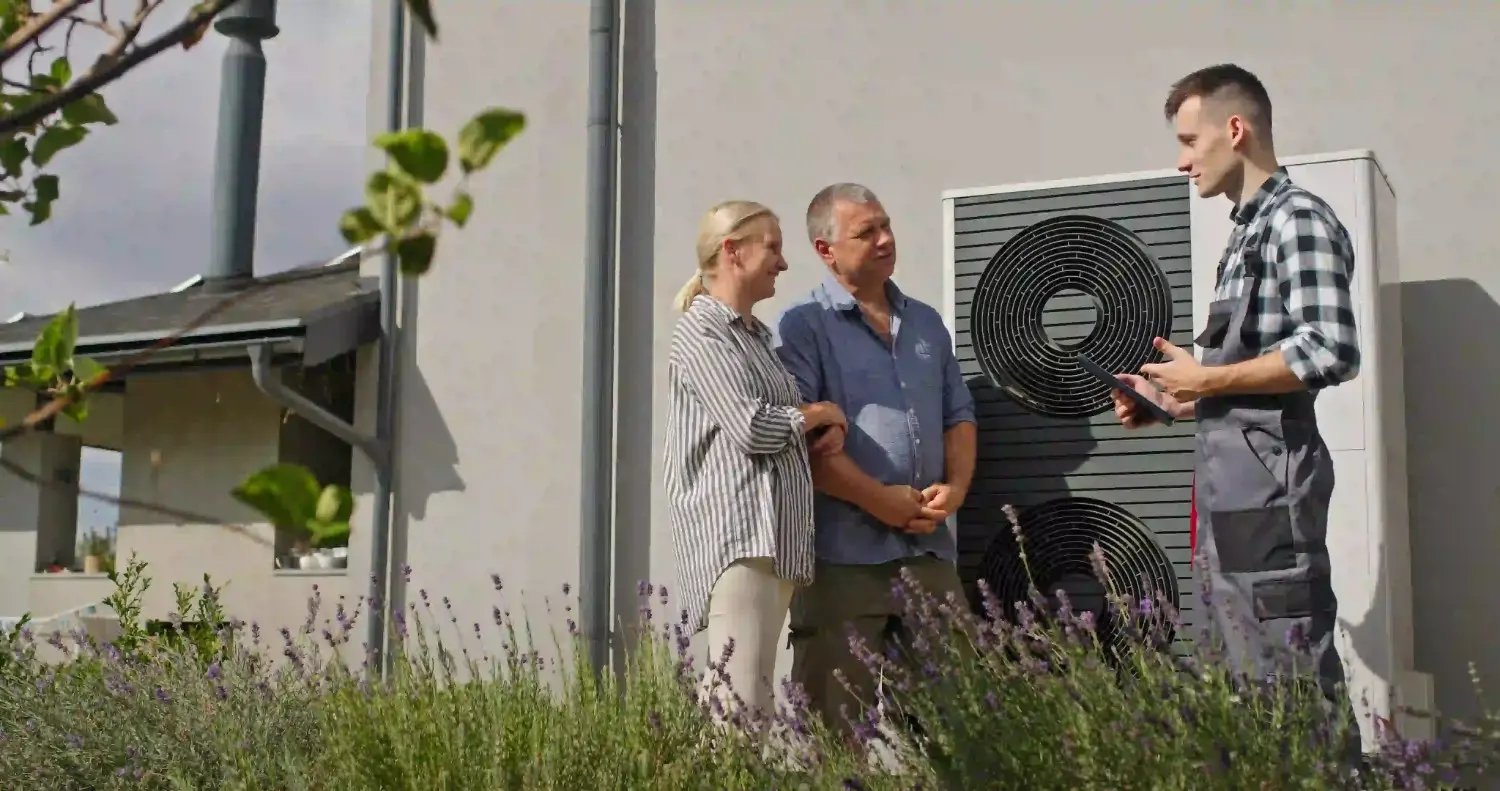
Transparency during the repair process eliminates the anxiety associated with HVAC service calls. You need to know exactly what is wrong, how long it will take to fix, and what the final cost will be before any work begins. Our protocol is designed for efficiency and clarity, ensuring you are never left in the dark regarding the status of your heating equipment.
- Initial System Assessment: Upon arrival, the technician performs a full diagnostic scan. This involves checking error codes, measuring gas pressure, testing voltage amperage on motors, and inspecting the heat exchanger for cracks.
- Clear Explanation of Findings: Once the issue is isolated, the technician explains the failure in plain language. You receive a breakdown of which part failed and why, along with a direct quote for the repair.
- Upfront Pricing: There are no hourly guessing games. The price quoted is the price you pay, regardless of how long the repair takes. This allows you to make an informed financial decision immediately.
- Execution of Repair: With your approval, the technician proceeds with the repair using high-quality OEM or equivalent parts. Trucks are stocked with common components to minimize the need for second trips.
- Safety and Performance Testing: After the part is installed, the system is not just turned on; it is tested. We verify flame rectification, check for gas leaks, and measure temperature rise to guarantee the system is operating within manufacturer specifications.
- Site Cleanup: The workspace is left exactly as it was found. All debris, old parts, and packaging are removed from your property — view our project gallery.
Diagnosing Common Heating Failures
Understanding the symptoms of a failing heater can help homeowners in Kerby act before a minor issue becomes a total system collapse. Heating systems rarely fail without warning; they typically emit auditory or sensory signals indicating distress. Recognizing these signs allows for proactive repair, which is often less expensive than emergency service calls.
- Short Cycling: If the furnace turns on and off frequently without reaching the set temperature, this is short cycling. It often indicates an overheating heat exchanger or a blocked flame sensor. This places immense stress on the starting capacitor and ignition system.
- Uneven Heating: If the living room is hot but the bedrooms are freezing, the system likely has ductwork issues or a failing blower motor. This creates an uncomfortable living environment and forces the system to run longer than necessary.
- Unusual Noises: Rattling, banging, or squealing sounds are not normal. Squealing usually indicates a belt or bearing issue, while banging can signal delayed ignition—a serious safety concern that requires immediate professional attention.
- Yellow Pilot Light: For gas furnaces, the flame should always be blue. A yellow or flickering flame indicates incomplete combustion, which can lead to carbon monoxide production. This is an urgent safety hazard.
- Spike in Utility Bills: If your heating usage hasn't changed but your bill has skyrocketed, the system is losing efficiency. This is often due to the system running longer to compensate for a failing part.
Making the Choice: When to Repair vs. Replace Your Heating Unit
A critical decision point for many homeowners arises when a repair quote is significant. Is it worth investing in the existing unit, or is it time to upgrade? This decision depends on mathematical logic and the long-term viability of the system. Stone Heating and Air provides honest assessments to help you navigate this financial decision without pressure.
When Repair is the Right Choice:
- The System is Under 10 Years Old: Modern furnaces and heat pumps are designed to last 15-20 years. If the unit is relatively young, a repair is usually the most cost-effective route.
- The Repair Cost is Reasonable: If the cost of the repair is less than 50% of the cost of a new system, repair is generally recommended.
- The Unit Has Been Well Maintained: If you have a history of regular maintenance, the overall condition of the unit is likely good, making a specific component repair a safe investment.
- You Plan to Move Soon: If you are selling the home in the near future, a functioning system is required, but a brand-new installation may not offer a full return on investment.
When Replacement is the Better Option:
- The 50% Rule: If the repair costs approach or exceed 50% of the value of a new system, the money is better spent on a new unit with a warranty.
- Age of the Unit: If the system is over 15 years old and requires a major repair (like a compressor or heat exchanger), replacement is advised. Older units are less efficient, and parts may be obsolete or expensive to source.
- Frequent Breakdowns: If you have required multiple repairs in the last two years, the system is signaling the end of its life. Continuing to patch it is throwing money at a sinking ship.
- Safety Concerns: If the heat exchanger is cracked, repair is rarely an option due to the risk of carbon monoxide poisoning. Replacement is the only safe path forward.
Regional Factors Influencing Heating Performance in Southern Oregon
The climate in Kerby and the surrounding Rogue Valley presents specific challenges for heating infrastructure. While winters are not arctic, the combination of cold temperatures and high humidity creates a "bone-chilling" effect that demands reliable heating. Furthermore, the dampness can accelerate corrosion in outdoor units (heat pumps) and affect the intake air for gas furnaces.
- Humidity and Corrosion: The wet winter months can lead to faster oxidation of electrical contacts and outdoor sensors on heat pumps. Regular repair and maintenance often involve cleaning these contacts to ensure proper signal transmission.
- Heat Pump Defrost Cycles: In our region, heat pumps frequently enter "defrost mode" to remove ice from the outdoor coil. If the defrost board fails, the unit becomes a block of ice and provides no heat. We specialize in diagnosing and repairing defrost control issues common in this climate.
- Utility Requirements and Permits: Any significant repair involving gas lines or electrical modifications must adhere to local building codes. We ensure all work complies with local regulations, preventing issues when you eventually sell your home.
- Insulation and Ductwork: Many older homes in the area have compromised insulation or leaky ductwork. While we focus on equipment repair, we also assess if environmental factors are forcing your heater to overwork, leading to premature failure.
Troubleshooting Heat Pumps vs. Gas Furnaces
Different systems dominate the landscape here, and each has unique failure points. Understanding what type of system you have helps in setting expectations for the repair process — read our faqs.
Heat Pump Specific Repairs
- Refrigerant Leaks: If a heat pump isn't heating, it may be low on refrigerant. We use electronic leak detectors to find the source, braze the line, and recharge the system to factory specifications.
- Reversing Valve Issues: The reversing valve switches the unit from cooling to heating. If this valve sticks, the unit may blow cold air even when the thermostat calls for heat.
- Auxiliary Heat Failure: Heat pumps rely on electric heat strips (auxiliary heat) when temperatures drop near freezing. If these strips fail, the system cannot keep up with the cold nights.
Gas Furnace Specific Repairs
- Flame Sensor Cleaning/Replacement: The flame sensor detects if the gas has ignited. If it gets dirty (common with dust), it shuts the gas valve for safety.
- Draft Inducer Motor: This motor clears the combustion chamber of toxic gases before ignition. If it fails, the furnace will not start.
- Limit Switch Trips: If the furnace overheats due to a dirty filter, the limit switch trips. Repeated tripping wears out the switch, requiring replacement.
Why Homeowners Trust Us for Critical Heating Solutions
Choosing a repair service is a decision based on trust, technical capability, and speed. You need a team that respects your time and your property. Our approach is built on technical precision and customer-centric service protocols that minimize downtime and maximize system longevity.
- Licensed and Certified: Technicians undergo rigorous training and hold the necessary state certifications to handle refrigerants, gas piping, and high-voltage electricity safely.
- Inventory Efficiency: Service vehicles are stocked with a wide array of universal and specific parts. This logistics strategy aims to resolve the majority of calls in a single visit, saving you time and restoring heat faster.
- No Hidden Fees: The diagnostic fee and repair costs are communicated clearly. You will never receive a bill that differs from the quote you approved.
- Diagnostic Accuracy: We use advanced tools, including combustion analyzers and multimeters, to rely on data rather than guesswork. This ensures the fix applied is the correct one.
Secure Your Comfort and Safety Today
Do not let a broken heater compromise your safety or comfort during the cold season. Waiting often leads to more extensive damage and longer wait times. Stone Heating and Air is ready to deploy skilled technicians to diagnose the issue and implement a lasting solution.
Restore warmth to your home immediately. Contact us to schedule your repair.
- Book Expert Service Or Contact Us