

Power Outages in Your Area? Get Reliable Generator Installation Services
Experiencing frequent power disruptions can put your home’s safety and comfort at risk, especially during severe weather events. Ensure continuous power supply and peace of mind with professional generator installation services tailored to your home’s specific electrical needs in Kerby and the surrounding areas. Contact us today to schedule your site assessment or inquire about available financing options.
- Install today with service availability designed to minimize downtime.
- Reduce your energy bills with high-efficiency models that may be eligible for local utility rebates.
- Complete compliance with local building codes and fast permit handling through the Josephine County Planning Department.
All installations come with full warranty coverage and flexible financing options to ensure your home remains powered without financial strain.
Generator Installation: What to Expect and Today's Availability
Securing a standby generator is a definitive step toward energy independence. When the grid fails due to winter storms or summer grid strain, a properly installed backup system ensures your lights, heating, cooling, and medical equipment stay operational. Stone Heating and Air focuses on delivering a turnkey solution, meaning the transition from the initial quote to the final connection is handled entirely by certified professionals.
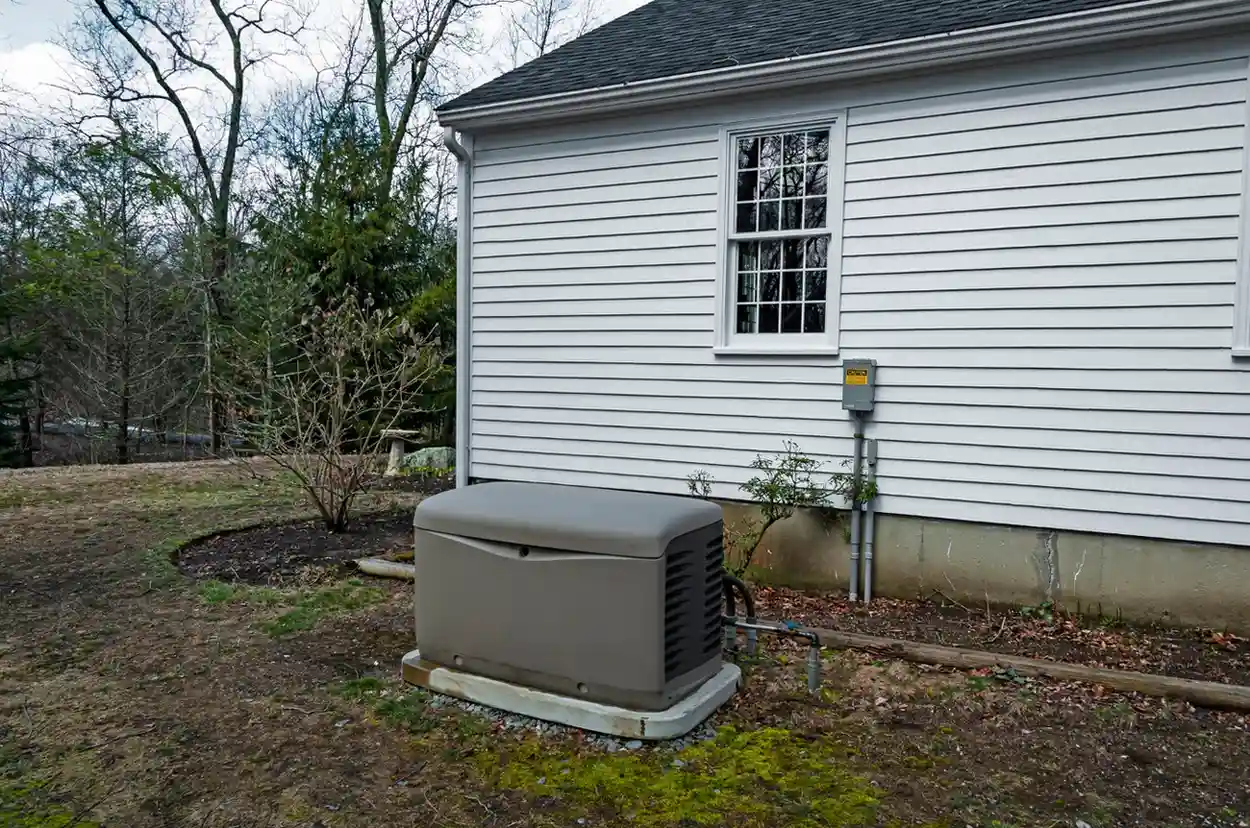
Modern standby generators differ significantly from portable units. A whole-home standby generator is permanently installed on a concrete pad or composite mounting surface in your yard, similar to an air conditioning condenser. It connects directly to your home’s electrical panel and is fueled by either natural gas or liquid propane (LP). This eliminates the need for extension cords or manual refueling in the middle of a storm.
Availability is a critical factor for homeowners in Oregon. Supply chains can fluctuate, but priority access to top-tier equipment from manufacturers like Generac and Kohler allows for efficient project timelines. Upon scheduling an installation, the focus shifts immediately to site preparation and equipment procurement. The goal is to have the unit ready to run before the next major weather event impacts the region.
The scope of installation includes several critical technical components:
- Site Selection: Identifying a location that adheres to exhaust clearance distances from windows and doors while remaining accessible for maintenance.
- Fuel Connection: Professional plumbing of natural gas or propane lines to the generator engine, ensuring consistent fuel pressure under load.
- Electrical Integration: Installation of a sub-panel or service-rated transfer switch to manage electrical loads during a blackout.
- System Sizing: Calculating the total amperage required to run essential circuits versus the entire home, ensuring the chosen unit can handle "in-rush" current from motors like well pumps or HVAC systems.
Understanding the Installation Process: Our Seamless Approach
A professional generator installation is a multi-step construction project that requires coordination between electrical and plumbing trades. Attempting to shortcut this process can lead to code violations or equipment failure. The approach taken ensures that every safety protocol is met, protecting both the homeowner and utility line workers.
The process begins with a detailed load calculation. This is not a guess; it is a mathematical assessment of the starting and running wattage of every appliance you intend to power. Once the correct size is determined, the physical work begins.
- Initial Site Assessment and Load Calculation: Technicians evaluate your main electrical panel and gas meter size to determine if upgrades are necessary before the generator can be installed.
- Permitting and Regulatory Approval: Applications are filed with local building authorities to ensure the project meets all zoning and safety regulations.
- Pad Preparation and Placement: The ground is leveled and compacted, and a pre-cast concrete or composite pad is installed to prevent the unit from sinking or shifting over time — visit our gallery to see finished installations.
- Automatic Transfer Switch (ATS) Installation: The ATS is mounted near your main breaker panel. This device acts as the brain of the system, sensing utility power loss and signaling the generator to start.
- Utility Connections: Electricians run conduit and wiring between the ATS and the generator, while plumbers connect the fuel source.
- Activation and Commissioning: The system is simulated to run under load. Technicians verify voltage, frequency, and gas pressure to ensure the unit runs within factory specifications.
- Owner Orientation: You receive a walkthrough of the system, understanding how to read status lights, check oil levels, and unlock the enclosure.
When to Consider a Generator Replacement Over Repair
If your property already has a backup generator, determining whether to repair an aging unit or invest in a replacement is a financial and operational decision. Generators, like any mechanical engine, have a finite lifespan. While routine maintenance extends this life, critical failures in older units often signal that replacement is the more prudent path.
Newer models offer advanced technology that was likely unavailable when your current unit was installed. Modern generators feature "load management" modules that allow a smaller, more fuel-efficient unit to power a larger home by intelligently shedding non-essential loads (like a clothes dryer) when high-demand appliances (like an A/C unit) kick on.
Consider replacement if you observe the following scenarios:
- Parts Obsolescence: If sourcing a control board or stepper motor takes weeks or requires scouring secondary markets, the unit is a liability during an emergency.
- Fuel Inefficiency: Older engines consume significantly more propane or natural gas. Replacing a unit can lower the operational cost during prolonged outages.
- Increased Power Demands: If you have added central air conditioning, a hot tub, or an EV charger since your last generator installation, your current unit may be undersized, leading to potential overload shutdowns.
- Recurring Electrical Issues: Frequent "overspeed" or "undervoltage" alarms often indicate internal winding degradation or engine wear that is cost-prohibitive to rebuild.
- Warranty Expiration: Once the manufacturer's warranty has lapsed, major component failures (engine block, rotor/stator) become out-of-pocket expenses that often rival the cost of a down payment on a new system.
Navigating Local Permits and Seasonal Utility Rebates
In Kerby and the broader Josephine County region, generator installation is not as simple as placing a machine in the yard. It is a regulated alteration to your property that requires adherence to specific codes. These regulations are in place to prevent fire hazards, carbon monoxide poisoning, and dangerous back-feeding of electricity onto the utility grid, which poses a lethal threat to linemen working to restore power.
The permitting process involves submitting detailed site plans showing the distance of the generator from property lines and combustible materials. Additionally, electrical line diagrams must be approved to verify that the transfer switch effectively isolates the home from the grid during operation. Stone Heating and Air manages this bureaucratic phase entirely, ensuring that the final inspection is passed without issue.
Seasonality plays a major role in how these systems are configured. The region is known for wet winters and dry summers.
- Winter Considerations: High moisture levels require robust, corrosion-resistant enclosures (usually aluminum or composite) to prevent rust and electrical shorts.
- Summer Considerations: During dry seasons, wildfire risks are elevated. Local codes may dictate specific spark arrestors or vegetation clearance zones around the unit to comply with fire safety standards.
Furthermore, financial incentives often exist to encourage energy resilience. Local utility providers occasionally offer rebates for installing energy-efficient standby systems or for participating in load-shedding programs. These programs can offset a portion of the installation cost. Checking for active rebate programs is part of the planning phase, ensuring you capitalize on any available financial aid.
Technical Superiority: Automatic Transfer Switches vs. Interlocks
A key decision in the installation process is the method of connecting the generator to the home. While manual interlock kits are a cheaper alternative often used with portable generators, they lack the automation required for true peace of mind. A manual interlock requires the homeowner to be present, go outside (often in a storm), connect cables, and manually flip breakers in a specific sequence.
For a permanent solution, an Automatic Transfer Switch (ATS) is the industry standard. The ATS continuously monitors utility voltage. When it detects an interruption:
- The ATS signals the generator to start.
- Once the generator reaches operating speed (usually within 10 to 20 seconds), the ATS physically disconnects the utility line and connects the generator line.
- Power is restored to the home automatically, whether you are in the living room or away on vacation.
- When utility power returns, the ATS reverses the process and runs the generator through a cool-down cycle before shutting it off.
This automation ensures that sump pumps continue to run to prevent flooding and security systems remain online, regardless of human intervention.
Why Professional Installation Matters for Long-Term Reliability
The longevity of a standby generator is directly tied to the quality of its installation. Improper sizing of gas lines is a common failure point in amateur installations; a generator may run fine during a weekly test but starve for fuel when fully loaded during a blizzard, causing it to stall. Similarly, improper electrical grounding can damage sensitive electronics inside the home, such as computers and smart appliances.
Certified installers adhere to the National Electrical Code (NEC) and manufacturer-specific guidelines — check our customer reviews for peace of mind. This adherence is mandatory for maintaining the validity of the equipment warranty. Most major manufacturers will void warranties if the unit is not commissioned by a certified technician who validates the installation parameters.
Professional installation also accounts for sound attenuation. Local noise ordinances may restrict the decibel level of mechanical equipment at the property line. Strategic placement and the use of sound-dampening mounting techniques ensure the system operates within legal limits, preventing disturbances to neighbors while providing necessary power.
Ensuring Continuous Power for Your Home
Reliable power is not a luxury; it is a necessity for modern living. Whether facing winter storms or regional grid instability, a standby generator provides the assurance that life continues without interruption. From navigating Josephine County permits to executing a flawless technical installation, the focus remains on safety, compliance, and long-term performance. Stone Heating and Air delivers the expertise required to secure your home against the unpredictable nature of the power grid.
Don't wait until the lights go out to consider your options. Secure your home’s energy independence today.
Contact us now to schedule your comprehensive generator consultation and site assessment.
- Book Expert Service Or Contact Us