

Eliminate Temperature Fluctuations and High Energy Costs With a Modern System
Dealing with the discomfort of an outdated air conditioning or heating system in White City’s unpredictable climate creates unnecessary stress and unpredictably high utility bills. Instead of enduring another season of uneven temperatures or worrying about a breakdown during a heatwave or a freeze, secure your home’s comfort with a professional HVAC upgrade. Contact us today to schedule your consultation or ask about our available financing options.
Homeowners who proactively replace aging units often see immediate benefits that go beyond simple temperature control:
- Experience immediate improvement in indoor air quality and consistent thermal comfort across every room.
- Significantly reduce your monthly energy bills by switching to high-efficiency equipment designed for the local climate.
- Receive a hassle-free, code-compliant installation that can be completed as soon as tomorrow.
All installations are fully licensed, insured, and backed with a comprehensive warranty for peace of mind. Stone Heating and Air specializes in matching the right equipment to your specific home layout to ensure longevity and performance.
Comprehensive HVAC Installation Scope
When you invest in a new heating and cooling system, you are purchasing more than a metal box; you are paying for the expertise required to integrate that system into your home’s existing infrastructure. A replacement is a major construction project that involves electrical, plumbing, and airflow dynamics. The goal is to provide a turnkey solution that restores comfort immediately upon completion.
Accurate Load Calculation and Sizing
The most critical step in any installation happens before the equipment arrives. Installing a unit that is too large causes "short-cycling," where the system turns on and off too frequently, leading to humidity issues and premature wear. Conversely, a unit that is too small will run continuously without ever reaching the set temperature.
- Technicians perform a Manual J load calculation to determine the exact heating and cooling requirements of your specific floor plan.
- Factors such as square footage, window direction, insulation levels, and local White City weather patterns are analyzed.
- Equipment is selected based on these calculations to ensure maximum efficiency and humidity control.
System Removal and Disposal
Replacing a system involves the safe handling of pressurized refrigerants and heavy machinery.
- Existing equipment is disconnected from electrical and gas lines according to safety protocols.
- Old refrigerant is recovered and recycled in compliance with EPA regulations to prevent environmental contamination.
- The old unit is removed from the property and disposed of properly, leaving you with a clean workspace — view our gallery for examples.
Ductwork and Airflow Assessment
A new high-efficiency unit cannot perform correctly if the ductwork is leaking or undersized.
- The existing plenum and duct connections are inspected for leaks, disconnects, or deterioration.
- Modifications are made to the transition pieces to ensure the new air handler fits perfectly with existing ductwork.
- Sealing is applied where necessary to prevent conditioned air from escaping into attics or crawlspaces.
Component Integration
Modern HVAC systems often require updated peripheral components to function safely and efficiently.
- Thermostats are upgraded to compatible smart or programmable models that communicate effectively with the new equipment.
- Drain lines are cleared or replaced to ensure proper condensate removal, preventing water damage.
- Safety switches are installed to shut the system down automatically if drains clog or water levels rise.
The Installation Workflow
Understanding the sequence of events helps homeowners prepare for the installation day. The process is designed to be efficient, minimizing disruption to your daily routine while ensuring technical precision.
- Site Preparation: Technicians arrive and lay down drop cloths and floor protectors to shield your home from dirt and debris. The workspace around the indoor and outdoor units is cleared to ensure safe access.
- Safety Disconnects: Power to the HVAC circuits is turned off at the breaker panel. Gas lines (for furnaces) are shut off and capped. This ensures a safe environment for the electrical and mechanical work to follow.
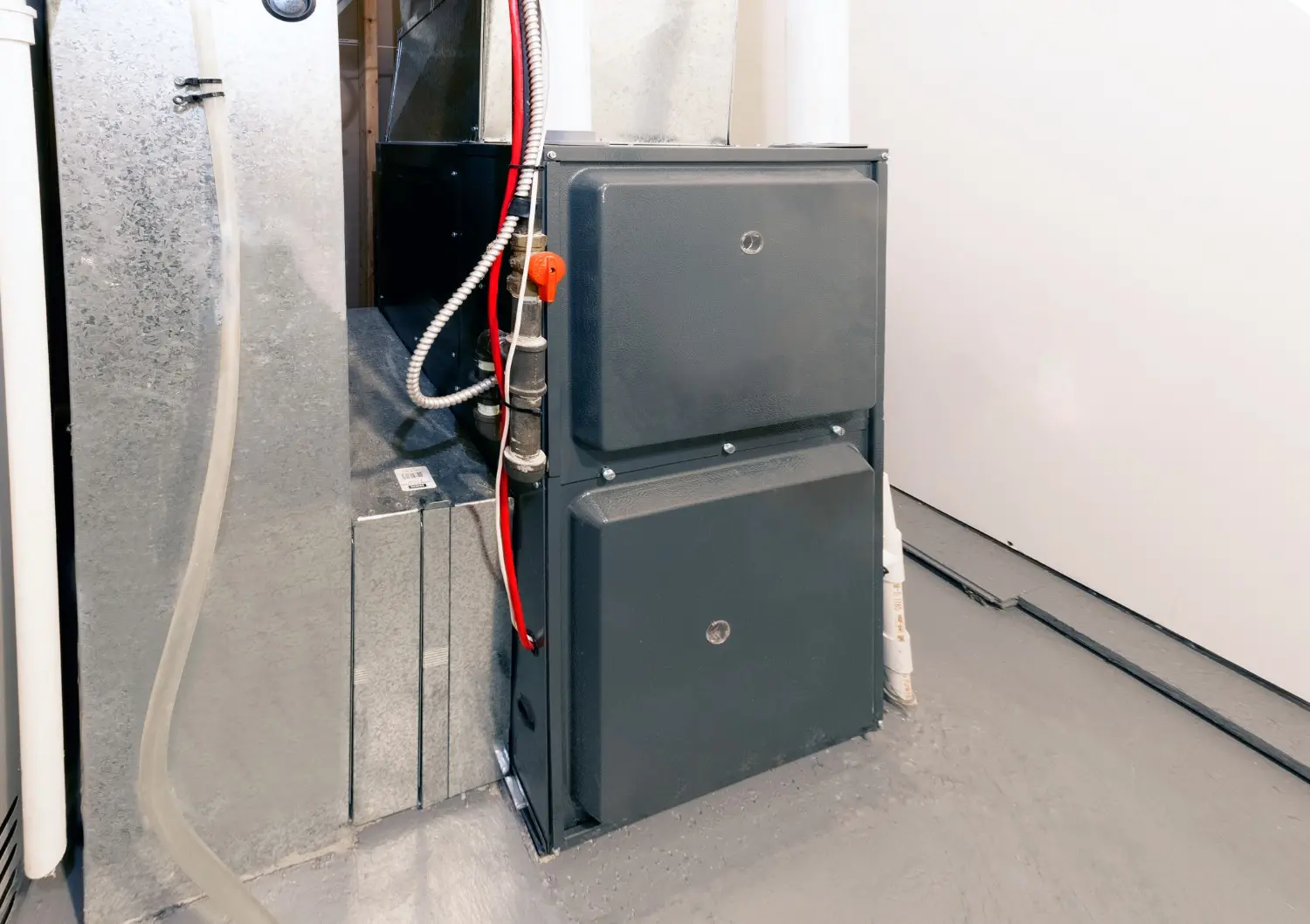
- Equipment Setting: The new outdoor condenser or heat pump is positioned on a composite pad to ensure it remains level and off the ground. Indoor air handlers or furnaces are maneuvered into place, often requiring tight-space navigation in attics or closets.
- Line Set Connection: Copper refrigerant lines are connected between the indoor and outdoor units. This process often involves brazing with nitrogen to prevent oxidation inside the pipes, a critical step for the longevity of modern refrigerants.
- Vacuum and Charge: Once connected, a vacuum pump removes all moisture and air from the lines. The system is then charged with the precise amount of refrigerant specified by the manufacturer.
- Electrical and Gas Connections: High-voltage wiring is connected to the unit, and low-voltage control wires are run to the thermostat. For gas furnaces, the gas piping is reconnected and leak-tested to ensure safety.
- Commissioning and Testing: The system is powered on and tested. Technicians measure static pressure, temperature split (the difference between supply and return air), and voltage amp draws to verify the system is operating within factory specifications.
Deciding Between Repair and Replacement
Determining whether to pour more money into an existing system or invest in a new one is a financial and logical calculation. While repairs may seem cheaper upfront, they can be cost-prohibitive in the long run if the system is nearing the end of its useful life.
The 50% Rule
A common industry standard for decision-making is the 50% rule. If the cost of the repair approaches 50% of the value of the system (or the cost of a new system), replacement is generally the smarter financial move. This is particularly true if the system is out of warranty, as you are investing heavily in an asset with diminishing returns.
System Age and Reliability
HVAC systems generally have a lifespan of 10 to 15 years for heat pumps and air conditioners, and up to 20 years for gas furnaces.
- If your heat pump is over 10 years old and the compressor fails, replacement is usually recommended due to advancements in efficiency.
- Older units typically use R-22 refrigerant, which is phased out and extremely expensive to replace. If an older unit leaks, upgrading to a system that uses R-410A or newer refrigerants is necessary.
- Frequent breakdowns requiring minor repairs add up quickly. If you have called for service more than twice in the last two years, the system is likely unreliable.
Efficiency and Monthly Costs
Older systems often have SEER (Seasonal Energy Efficiency Ratio) ratings of 10 or 12. Modern standards require a minimum of SEER2 14.3 in the region, with high-end units reaching over 20 SEER2.
- Upgrading from a 10 SEER unit to a 16 SEER unit can reduce cooling costs by over 30%.
- Modern variable-speed motors and two-stage compressors run at lower speeds to maintain temperature, using significantly less electricity than single-stage motors that run at 100% capacity whenever they are on.
- For White City homeowners, this efficiency gain translates to substantial savings during the peak usage months of July and August, as well as the heating season.
Comfort Issues
If some rooms are always too hot while others are freezing, or if the humidity inside the house feels oppressive despite the AC running, the current system may be improperly sized or failing to circulate air correctly. New systems with variable-speed blowers provide better air mixing and humidity removal, solving comfort issues that a simple repair cannot address.
Regional Considerations for Installation
Installing HVAC equipment in Southern Oregon requires attention to specific environmental and regulatory factors. The local climate dictates specific equipment needs to ensure year-round comfort.
Climate-Specific Equipment Needs
The Rogue River Valley experiences significant temperature swings. Summers are dry and hot, with temperatures frequently exceeding 90°F, while winters are wet with lows dropping to freezing.
- Heat Pumps: These are highly effective in this region. Modern heat pumps can handle the cooling load in summer and provide efficient heating in winter down to very low temperatures without relying solely on expensive resistance heating.
- Dual Fuel Systems: For maximum efficiency, many homeowners opt for a "hybrid" system that pairs an electric heat pump with a gas furnace. The heat pump handles moderate heating days, while the furnace takes over during deep freezes.
Permitting and Code Compliance
Installations in the area must adhere to local building codes.
- Permits are generally required for the installation of new mechanical equipment. This ensures that the installation meets safety standards regarding electrical connections, gas piping, and venting.
- Technicians manage the permitting process, ensuring that the work passes inspection by local authorities. This protects the homeowner from liability and ensures the system is safe to operate.
Utility Rebates and Incentives
Local utility providers and federal programs often offer rebates for upgrading to high-efficiency equipment.
- Energy Trust of Oregon and local power companies frequently provide cash incentives for installing high-efficiency heat pumps or smart thermostats.
- Federal tax credits (such as those under the Inflation Reduction Act) may be available for qualifying heat pumps and high-efficiency AC units.
- Stone Heating and Air assists homeowners in identifying which equipment qualifies for these savings to maximize the return on investment.
Why Professional Installation Matters
The longevity and efficiency of your heating and cooling system are determined on the day of installation. Manufacturer studies consistently show that improper installation can reduce system efficiency by up to 30% and significantly shorten the lifespan of the equipment. High-quality equipment installed poorly will perform worse than mid-range equipment installed perfectly.
Technical Precision
Professional installers utilize specialized tools to ensure the system is sealed and calibrated correctly.
- Nitrogen Brazing: Using nitrogen during the brazing process prevents the formation of soot and scale inside the copper lines. Without this, debris can clog the expansion valve or compressor shortly after startup.
- Micron Gauges: Simply running a vacuum pump is not enough. Technicians use micron gauges to measure the vacuum level scientifically, ensuring no moisture remains in the system. Moisture in the lines mixes with oil to form acid, which eats away at the motor windings.
- Static Pressure Testing: Measuring the resistance to airflow ensures the ductwork can support the new unit. If the pressure is too high, the blower motor will fail prematurely.
Warranty Protection
Manufacturers require proof of professional installation to honor warranties.
- Most equipment comes with a 10-year parts warranty, but this is often void if the unit was not installed by a licensed contractor.
- Professional installation includes registering the equipment with the manufacturer on your behalf, ensuring full coverage.
- Labor warranties provided by the installer cover the cost of the work should a component fail in the first year or more, providing a layer of protection that manufacturer warranties do not cover.
Long-Term Support
A dedicated installation team does not disappear after the job is done. Establishing a relationship with a local provider ensures that you have access to seasonal maintenance and priority service. Regular maintenance is essential to keep the new system running at the efficiency levels achieved during installation.
Upgrading your HVAC system is an investment in the value of your home and the health of your family. By choosing a reputable provider, you ensure that the system is safe, efficient, and capable of handling the local weather extremes for years to come. Ready to upgrade your home comfort and lower your energy bills? Contact us today to schedule your free estimate.
Get Your HVAC Installation Estimate Now
Upgrade your home’s comfort, efficiency, and reliability with a professionally installed HVAC system designed specifically for White City’s unique climate. Our expert technicians handle every step—from precise load calculations to code-compliant installation—ensuring your new system delivers superior performance and lower energy bills from day one. Don’t wait for your old unit to fail during extreme weather. Schedule your HVAC installation consultation today and enjoy year-round comfort backed by trusted warranties and expert craftsmanship.
- Book Expert Service Or Contact Us