

Unexpected HVAC Breakdowns Demand Immediate Professional Attention
Your home comfort is non-negotiable, and when your heating or cooling system fails in White City, waiting days for a technician is simply not an option. Contact us immediately to schedule a diagnostic visit or inquire about financing options for urgent repairs.
A malfunctioning HVAC system disrupts your daily routine and compromises indoor air quality and safety, particularly during the wet, chilly winters typical of our region. Stone Heating and Air provides rapid response times to address mechanical failures before they escalate into costly replacements. Whether you are dealing with a frozen coil, a failing compressor, or an unresponsive thermostat, our team identifies the root cause and implements a lasting fix on the first visit.
- Experience same-day HVAC repair capabilities to restore your indoor temperature control instantly.
- Rely on NATE-certified technicians who prioritize safety protocols and manufacturer specifications.
- Benefit from comprehensive system diagnostics that identify underlying issues to prevent future breakdowns.
- All services are backed by industry-leading labor and parts warranties for complete peace of mind.
Comprehensive Diagnostics and Immediate Repair Protocols
When an HVAC system falters, the symptoms are often obvious, but the underlying causes can be complex. Effective repair requires more than just swapping out a part; it demands a forensic approach to understanding why the failure occurred. Residents in White City require a service that goes beyond surface-level fixes. A professional repair visit centers on a thorough evaluation of the entire system's health, ensuring that the immediate problem is solved and that the system is optimized for efficiency.
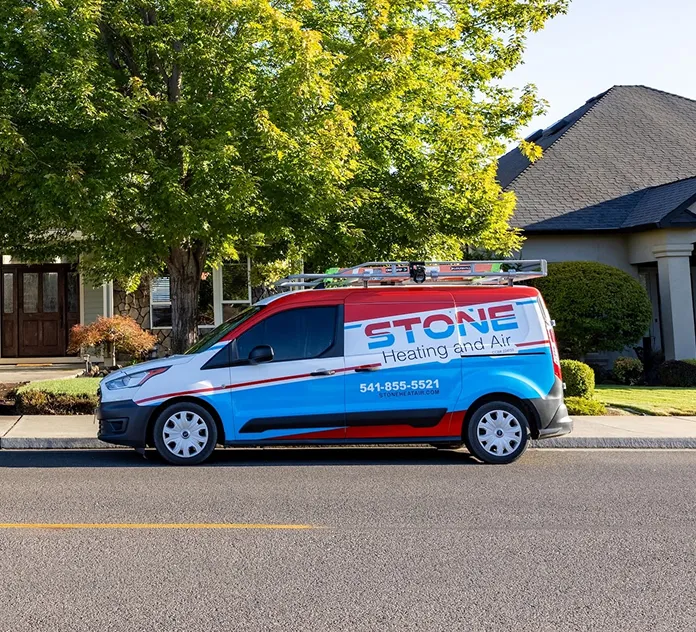
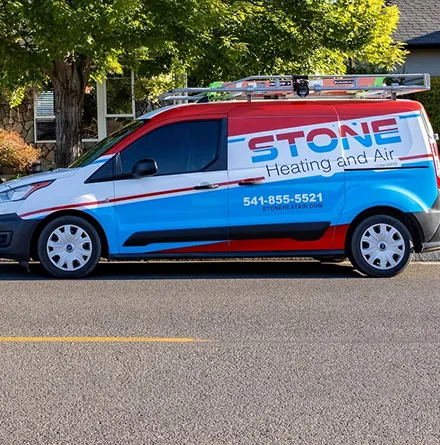
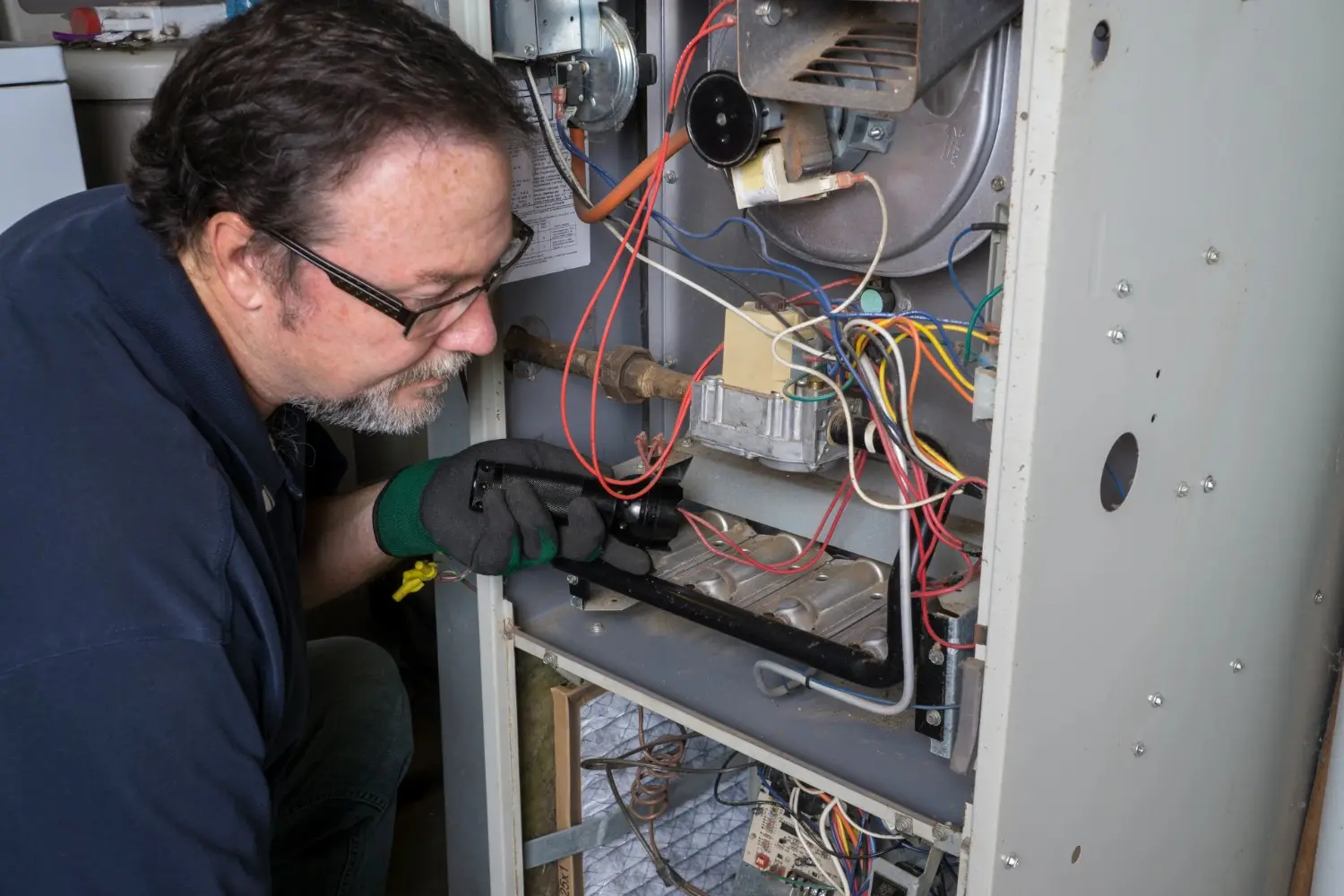
Our technicians arrive in fully stocked service vehicles, prepared to handle the vast majority of repairs on the spot. This preparation eliminates the frustration of waiting for parts and ensures your home returns to a comfortable temperature as quickly as possible. The scope of a standard repair visit includes a detailed inspection of electrical connections, refrigerant levels, airflow dynamics, and safety controls.
What is Included in the Diagnostic Assessment
- Electrical Component Testing: Technicians test capacitors, contactors, relays, and circuit boards to ensure voltage is within manufacturer tolerances. Loose connections or worn electrical components are frequent causes of intermittent system failure.
- Airflow and Static Pressure Analysis: Restricted airflow places immense strain on blower motors and compressors. We measure static pressure to verify that ductwork is not obstructed and that filters are allowing proper air movement.
- Refrigerant Charge Verification: For heat pumps and air conditioners, correct refrigerant levels are critical. Leaks are identified using electronic leak detectors, and levels are adjusted to subcooling and superheat specifications.
- Safety and Control Checks: This includes testing limit switches, pressure switches, and the thermostat’s communication with the unit. For gas furnaces, heat exchangers are inspected for cracks to prevent carbon monoxide leaks.
- Mechanical Operation Review: We assess the condition of belts, bearings, and motors. Technicians listen for irregular noises and check for excessive vibration that could indicate imminent mechanical failure.
Addressing Common HVAC Failures
- Ignition Problems: If a furnace fails to ignite, the issue often lies with the igniter, flame sensor, or gas valve. These components are tested and cleaned or replaced to restore heat.
- Drainage Issues: In high-humidity environments or during heavy AC use, condensate drains can clog, triggering overflow switches that shut down the system. Clearing these lines and treating them for algae growth is a standard part of the repair.
- Thermostat Calibration: Sometimes the unit is functional, but the interface is faulty. We recalibrate or replace thermostats to ensure accurate temperature reading and system cycling.
The Service Process: From Diagnosis to Resolution
Understanding the workflow of a professional HVAC repair helps homeowners know what to expect. The goal is transparency and efficiency, moving from the initial service call to a fully functional system with minimal disruption to your day. We utilize a streamlined process that prioritizes clear communication regarding the problem, the proposed solution, and the timeline for completion — read our reviews.
Initial Assessment and Troubleshooting
- Upon arrival, the technician discusses the specific symptoms you have noticed, such as strange noises, odors, or uneven heating and cooling.
- The system is powered on (if safe) to observe its operation cycle. This "live testing" helps pinpoint exactly where the sequence of operation is failing.
- Diagnostic tools, including multimeters and manometers, are used to gather data on the system’s performance.
Explanation of Findings and Authorization
- Once the issue is isolated, the technician provides a detailed explanation of the failure. This includes showing you the damaged component or explaining the data readings.
- You receive a clear, flat-rate quote for the repair. This eliminates surprises on the final invoice, as the price is determined by the job, not the hours spent.
- Work begins only after you have authorized the repair and understand the scope of work.
Execution of Repairs and Verification
- The technician performs the necessary repairs using OEM (Original Equipment Manufacturer) or high-quality aftermarket parts.
- After the repair, the system is not just turned on; it is stress-tested. The technician runs the unit through a full cycle to ensure the repair holds under load.
- Temperature differentials (the difference between air entering and leaving the system) are measured to confirm the unit is heating or cooling to capacity.
Site Cleanup and Final Report
- The work area is cleaned thoroughly. Old parts and packaging materials are removed from your property.
- A final service report is provided, detailing the work performed, parts replaced, and any recommendations for future maintenance or potential concerns.
Analyzing the Viability of Repair Versus System Replacement
One of the most critical decisions a homeowner faces during a breakdown is whether to invest in another repair or to replace the system entirely. This decision involves financial calculation and an understanding of equipment lifecycles. While our priority is to restore your existing unit, there are mathematical and practical tipping points where replacement becomes the more prudent financial choice. Stone Heating and Air assists in this evaluation by providing objective data regarding your system’s condition.
The 50% Rule and Financial Thresholds
- Industry standards suggest that if the cost of the repair approaches or exceeds 50% of the value of the system, replacement is generally the wiser investment.
- For older systems, this threshold may be lower. Spending a significant amount on a compressor for a 15-year-old unit is rarely cost-effective compared to investing that money into a new warranty-backed system.
Equipment Age and Efficiency Considerations
- Age of the Unit: Most heat pumps and central air conditioners have a lifespan of 10 to 15 years. Furnaces may last 15 to 20 years. If your equipment is within or past this range, parts availability becomes scarce, and major component failures become more frequent.
- Energy Efficiency Ratings: Older units often have SEER (Seasonal Energy Efficiency Ratio) or AFUE (Annual Fuel Utilization Efficiency) ratings far below modern standards. Replacing an aging unit can result in immediate utility bill reductions, often offsetting the monthly cost of a new installation.
- Refrigerant Type: Older AC units utilize R-22 refrigerant, which has been phased out. Repairs involving refrigerant leaks on these units are exponentially more expensive due to the scarcity of the chemical.
Frequency of Breakdowns
- Reliability is a key factor. If a system has required multiple repairs over the last two years, it has likely entered the "end of life" phase.
- Recurring issues indicate that the internal components are degrading collectively. Fixing one part puts stress on the remaining weak parts, leading to a cycle of continuous repairs.
- Consider the "cost of inconvenience." Frequent breakdowns during extreme weather in White City can lead to discomfort and potential safety risks, making a reliable new system a valuable upgrade.
Navigating Local Climate Challenges and Compliance
Operating HVAC equipment in White City presents specific challenges due to the regional climate. The cool, temperate weather and significant rainfall throughout the year create an environment where moisture control is just as important as temperature control. Furthermore, local building codes and utility requirements dictate how repairs and installations must be handled to ensure safety and efficiency.
Impact of Moisture and Rainfall
- Outdoor Unit Protection: Continuous exposure to rain can lead to rust and corrosion on the outdoor condenser cabinet and internal components. Technicians check for structural integrity to ensure the unit remains safe to operate.
- Biological Growth: High humidity levels can encourage mold and mildew growth within the ductwork and on the evaporator coil. Professional repair services often include inspecting these areas to maintain healthy indoor air quality.
- Defrost Cycles: During the colder months, heat pumps frequently enter defrost modes to melt ice off the outdoor coil. Malfunctions in the defrost control board are common in this climate and must be addressed to prevent the unit from freezing up completely.
Permitting and Code Compliance
- Safety Codes: Repairs that involve gas lines, significant electrical alterations, or venting changes must adhere to local safety codes. This protects the homeowner from liability and ensures the system operates safely without risk of fire or gas leaks.
- Electrical Standards: Ensuring that the HVAC system’s electrical draw matches the home’s panel capacity is a critical safety check, especially in older homes that may not have been upgraded to handle modern, high-capacity heat pumps.
Regional Utility Programs
- Local utility providers frequently offer rebates or incentives for upgrading to high-efficiency equipment or performing duct sealing.
- While focusing on repair, technicians can identify if your current system's inefficiency is disqualifying you from potential savings or if a slight modification could improve performance to meet these regional standards.
Technical Expertise and Service Guarantees
The difference between a temporary patch and a permanent solution lies in the expertise of the technician and the quality of the components used. High-quality HVAC repair is defined by precision, adherence to engineering standards, and accountability. When you hire a professional service, you are paying for the assurance that the job is done correctly and that the company stands behind its work.
Certification and Training
- NATE Certification: Look for North American Technician Excellence (NATE) certification. This indicates the technician has passed rigorous testing on real-world working knowledge of HVAC systems.
- Continuous Education: The HVAC industry evolves rapidly with new technologies like variable-speed motors and smart diagnostic tools. Top-tier service providers require their teams to undergo regular training to stay current with these advancements.
Warranty and Liability
- Licensed, Bonded, and Insured: Professional services carry full liability insurance and workers' compensation. This protects the homeowner from any financial responsibility in the rare event of an accident or damage during the repair process.
- Labor Warranties: Reputable companies offer warranties on the repair labor itself, typically ranging from 30 days to a year. This guarantees that if the specific repair fails within that window, they will return to fix it at no cost.
- Parts Warranties: We utilize parts that come with manufacturer warranties. If a replaced motor or board fails prematurely, the part is covered.
Advanced Diagnostic Equipment
- Modern HVAC repair is data-driven. Technicians utilize combustion analyzers to measure furnace efficiency and safety precisely.
- Digital refrigerant gauges provide exact pressure and temperature readings, eliminating guesswork when charging a system.
- Thermal imaging cameras are often used to detect heat loss in ducts or overheating electrical components that are invisible to the naked eye.
Restoring your heating and cooling system requires a blend of technical skill, local climate knowledge, and a commitment to customer service. Don't let a breakdown compromise your safety or comfort. Secure your home comfort today—schedule your expert HVAC repair service.
Request Fast HVAC Repair Today
Don’t let a sudden HVAC breakdown disrupt your comfort or safety—get fast, expert repair service from Stone Heating and Air. Our NATE-certified technicians deliver same-day diagnostics, precision repairs, and dependable solutions designed to restore your heating and cooling system quickly and correctly. Whether your unit is struggling, leaking, or refusing to turn on, we’ll identify the root cause and fix it with long-lasting, warrantied workmanship. Call now to schedule your HVAC repair and get your home back to perfect comfort—without the wait.
- Book Expert Service Or Contact Us