

Immediate HVAC Repair Solutions for Home Comfort
A malfunction in your heating or cooling system disrupts your entire day, especially when the Rogue Valley weather takes an extreme turn. For fast restoration of your home's temperature control, contact us immediately to schedule a diagnostic visit or inquire about financing options.
In Gold Hill, where summer highs can strain air conditioners and winter chills demand reliable heating, waiting for a repair is rarely an option. You need a technical team that arrives prepared to diagnose the root cause of the failure—whether it is a refrigerant leak, a failed compressor, or an electrical fault—and resolves it efficiently. Stone Heating and Air provides the expertise required to bring your system back online, ensuring your living environment remains safe and comfortable regardless of the season.
- Same-day service ensures your comfort is restored quickly without unnecessary delays.
- Round-the-clock availability means you have support no matter the hour or the weather conditions.
- Rated top for customer satisfaction in the Rogue Valley, ensuring technical quality and reliability.
- All services are covered by extended warranties and competitive financing options for unexpected repairs.
Assessment and Diagnostic Procedures
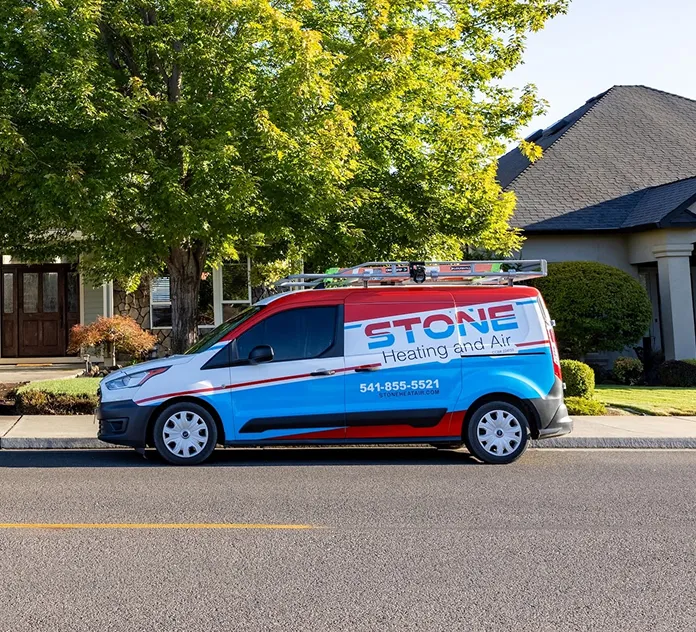
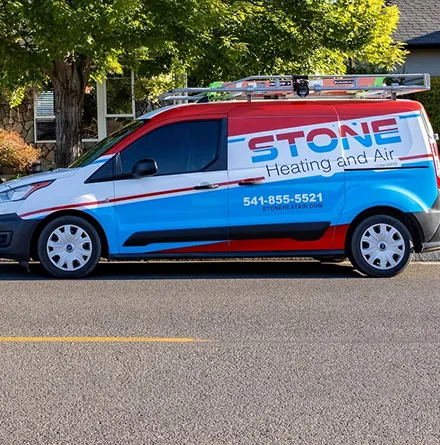
When an HVAC system fails, the priority is accurate identification of the issue. Guesswork leads to recurring problems and wasted money. A professional response begins with a comprehensive evaluation of the entire system, not just the component that appears broken. Technicians arrive with fully stocked vehicles, carrying the diagnostic tools and common parts necessary to address issues in a single visit whenever possible.
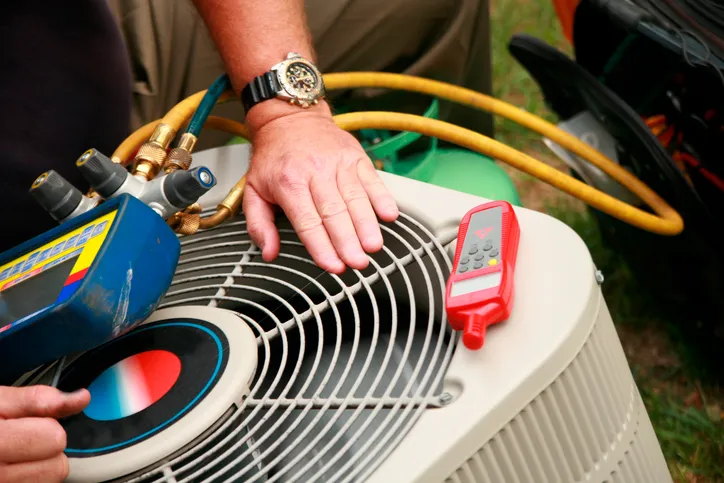
The diagnostic process involves a systematic check of your unit’s vital signs. This includes measuring refrigerant levels to ensure they match manufacturer specifications, checking airflow static pressure to identify ductwork restrictions, and inspecting electrical connections for voltage drops or loose wiring that could cause intermittent failures. In the Gold Hill area, where dust and pollen can be prevalent, particular attention is paid to the filtration and intake systems which often contribute to overheating and system lockouts.
Once the assessment is complete, you receive a clear explanation of the failure. This includes a breakdown of the specific part that has malfunctioned, why it failed, and what is required to fix it. There is no ambiguity; the focus is on technical facts and engineered solutions. You will understand the current state of your equipment and the exact steps needed to restore performance to factory standards.
Comprehensive System Restoration
Restoring a heating or cooling system involves more than just swapping out a part. It requires ensuring that the repair integrates correctly with the rest of the unit to prevent future strain — view our project gallery. High-quality repair services cover a wide range of system types, including central air conditioners, gas and electric furnaces, heat pumps, and ductless mini-splits.
Common points of failure that require professional intervention include:
- Compressor Malfunctions: The compressor is the heart of your AC or heat pump. Issues here often stem from electrical failures or refrigerant imbalances. Technicians assess the windings and start capacitors to determine if the compressor can be saved or if a replacement is necessary.
- Ignition Control Failures: In furnaces, a system that fails to ignite poses both a comfort and safety risk. This often involves troubleshooting the igniter, flame sensor, or control board to ensure the gas valve opens and closes correctly.
- Refrigerant Leaks: Simply adding more refrigerant is not a repair. A true solution involves locating the leak using electronic detectors or UV dye, repairing the breach in the coil or line set, and then recharging the system to the precise subcooling or superheat levels.
- Blower Motor Issues: If air is not moving through the vents, the blower motor or its run capacitor may be at fault. This repair restores proper airflow, which is critical for the heat exchange process.
- Thermostat and Control Board Logic: Modern HVAC systems rely on complex communication between the thermostat and the unit. Calibrating these controls ensures the system cycles on and off at the correct times, maximizing energy efficiency.
Stone Heating and Air approaches every repair with a focus on longevity. The goal is not just to get the system running for the day, but to ensure it operates reliably for the remainder of the season.
The Repair Process Step-by-Step
Understanding the repair workflow helps you plan your day and sets expectations for the service visit. Professional repair services follow a disciplined protocol to ensure consistency and safety.
- Initial Evaluation: The technician cycles the thermostat to attempt to replicate the issue. They listen for abnormal sounds, check for strange odors, and observe the startup sequence of the equipment.
- Component Isolation: Using multimeters and gauges, the technician isolates the faulty component. For example, if a fan isn't spinning, they determine if power is reaching the motor or if the motor itself has seized.
- Quoting the Solution: Before any wrench is turned, you receive a detailed quote. This outlines the cost of labor and parts. There are no hidden fees; the price agreed upon is the price paid.
- Execution of Repair: The technician performs the repair, adhering to all safety codes and manufacturer guidelines. This may involve brazing copper lines, wiring electrical components, or calibrating gas pressure.
- System Testing: After the repair is made, the system is not just turned on; it is tested. The technician measures temperature differentials (delta T) across the coil to verify that the unit is heating or cooling effectively.
- Site Cleanup: The workspace is left clean. Old parts, packaging, and debris are removed from your property.
Determining Repair vs. Replacement
Homeowners often face the difficult decision of whether to repair an aging unit or invest in a replacement. This decision should be based on data and financial logic rather than immediate urgency. Several factors influence this calculation, and a transparent service provider will help you weigh the options objectively.
The 50% Rule
A common industry standard is the 50% rule. If the cost of the repair approaches 50% of the value of a new system, replacement is generally the wiser financial choice. This is especially true if the equipment is out of warranty, as future repairs will also be out-of-pocket expenses.
System Age and Refrigerant Type
HVAC systems have an expected lifespan of 15 to 20 years. If your unit is nearing the end of this window, a major repair like a compressor replacement may not provide a good return on investment. Additionally, older systems may utilize R-22 refrigerant, which has been phased out and is prohibitively expensive to restock. Upgrading to a system that uses R-410A or newer refrigerants resolves this supply issue.
Frequency of Breakdowns
If you have required repairs multiple times in the last two years, the system is likely suffering from "nickel and dime" syndrome. While each individual repair might be affordable, the cumulative cost—plus the inconvenience of downtime—often justifies a full replacement.
Efficiency Considerations
Technological advancements have significantly improved energy efficiency (SEER2 ratings) in recent years. An older unit, even when running after a repair, may cost significantly more to operate on a monthly basis compared to a modern, variable-speed system. In the Gold Hill climate, where summers are dry and hot, the energy savings from a high-efficiency unit can offset the installation cost over time.
Local Climate and Infrastructure Considerations
Operating HVAC equipment in the Rogue Valley presents specific challenges that generic maintenance does not address. The local climate is Mediterranean with continental influences, meaning the region experiences distinct dry summers and wet, mild winters. This seasonality dictates how systems should be maintained and repaired.
Wildfire Smoke and Air Quality
During the late summer, Gold Hill is often subjected to wildfire smoke. This particulate matter can clog outdoor condenser coils and overwhelm indoor air filters rapidly. Repairs often involve deep cleaning of these components to restore airflow. If the system has been running with clogged filters, the increased static pressure may have strained the blower motor, leading to premature failure.
Humidity Control
While summers are dry, winters bring precipitation. Heat pumps are a popular choice in this region because they handle mild winter temperatures efficiently. However, they must be checked for proper defrost cycle operation. If the defrost board fails, the outdoor unit can freeze over, halting heating capability. Ensuring the defrost sensors and control boards are functioning is a critical part of local repair services.
Electrical and Utility Requirements
Repair work must comply with local building codes and utility requirements. Whether it is ensuring the disconnect box is accessible or that the wire gauge is sufficient for the amperage draw of the unit, professional technicians adhere to safety standards. In older Gold Hill homes, electrical panels may need assessment to ensure they can handle the load of modern HVAC equipment without tripping breakers.
Technical Expertise and Service Standards
The difference between a temporary fix and a permanent solution lies in the expertise of the technician. High-quality service providers invest heavily in training and certification. Technicians should be certified to handle refrigerants safely and trained on the specific brands they service.
Modern HVAC equipment involves sophisticated electronics, variable frequency drives, and smart home integration. A technician must be as comfortable with a laptop and diagnostic software as they are with a set of gauges. This technical proficiency ensures that complex problems, such as communication errors in zoning systems, are diagnosed correctly the first time.
Furthermore, a professional service is defined by its logistics. Trucks should be mobile warehouses, stocking universal parts like capacitors, contactors, and rescue motors. This inventory management minimizes the need to order parts for common failures, significantly speeding up the restoration of your home’s comfort.
Restoring Comfort and Efficiency
When your heating or cooling system fails, you need a solution that is fast, transparent, and technically sound. The goal is not just to return your home to a comfortable baseline with minimal disruption to your life. By focusing on accurate diagnostics, comprehensive repairs, and honest advice regarding the lifespan of your unit, professional HVAC services protect your investment and your comfort.
Do not let a mechanical failure compromise your safety or quality of life. Whether you are dealing with a furnace that blows cold air or an air conditioner that cannot keep up with the summer heat, expert help is available.
Contact Stone Heating and Air today to schedule your diagnostic appointment and restore your home’s comfort immediately.
- Book Expert Service Or Contact Us