

Streamline Your Commercial HVAC Design with Expert Build Solutions
Facing inconsistent indoor climate control in your commercial space can disrupt operations and diminish employee productivity. Discover tailored HVAC systems designed to meet the unique demands of your business by contacting us at [Insert Phone Number] or applying for our flexible financing options today. Commercial facilities require precise environmental management, and off-the-shelf solutions rarely provide the efficiency or longevity required for large-scale operations.
- Achieve optimal temperature regulation with custom designs tailored to your building’s specific layout.
- Rapid deployment and installation, ensuring minimal downtime for your daily operations.
- Energy-efficient systems that significantly reduce monthly operational costs and overhead.
All installs are backed by comprehensive warranties and streamlined permit handling to ensure compliance and peace of mind.
At Stone Heating and Air, we understand that a commercial heating and cooling system is a significant capital investment for businesses in Gold Hill and the surrounding areas. The design-build model integrates the engineering and installation phases into a single workflow, eliminating communication gaps between designers and installers. This approach ensures that the system conceptualized on the blueprints is exactly what gets delivered to the job site, optimized for the specific thermal loads and occupancy patterns of your facility.
Why Custom HVAC Solutions Matter for Your Business
Commercial buildings are complex ecosystems. Unlike residential structures, they have varying occupancy loads, high-heat generating equipment, and specific ventilation codes that must be met. A generic system often leads to hot and cold spots, excessive humidity, and skyrocketing energy bills. Custom design-build services address these issues by starting with a comprehensive analysis of the building's thermal envelope.
Accurate Load Calculations
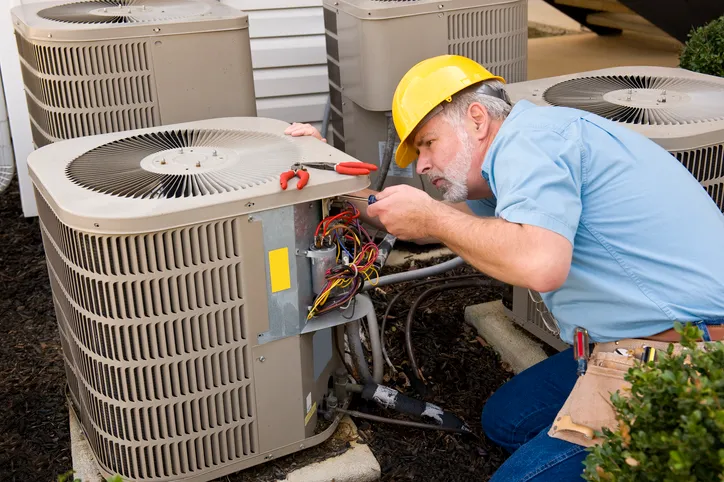
The foundation of any successful commercial HVAC project is the load calculation. This process involves a detailed assessment of the facility to determine exactly how much heating and cooling capacity is required. Factors influencing this calculation include the square footage, ceiling height, insulation values, window orientation, and internal heat gains from lighting, computers, and machinery.
If a system is oversized, it will short-cycle, turning on and off frequently. This leads to premature wear on compressors and poor humidity control. Conversely, an undersized system will run continuously without ever reaching the setpoint temperature, leading to burnout and uncomfortable conditions. A custom design ensures the equipment capacity matches the building's needs precisely.
Indoor Air Quality and Ventilation
Modern commercial construction in the Pacific Northwest often prioritizes airtight building envelopes for energy efficiency. While this retains heat, it can trap pollutants inside. A custom HVAC design prioritizes Indoor Air Quality (IAQ) by integrating appropriate ventilation strategies. This includes dedicated outdoor air systems (DOAS) and economizers that bring in fresh air when ambient temperatures are favorable. Proper ventilation is not just a matter of comfort; it is a regulatory requirement that impacts the health and safety of your workforce and customers.
Tailored Systems Ready for Immediate Implementation
The design-build process is characterized by speed and accountability. Because the design and construction teams work under one roof, projects move from concept to completion faster than the traditional plan-and-spec method. This streamlined approach minimizes change orders and keeps the project within the established budget.
The Design-Build Advantage
In a traditional construction model, a business owner hires an engineer to design the system and then bids that design out to mechanical contractors. This often creates an adversarial relationship where contractors find flaws in the design, leading to delays and additional costs.
With a design-build service, there is a single point of responsibility. The team drawing the plans is the same team installing the ductwork and setting the units. This unity results in:
- Value Engineering: Identifying cost-saving equipment or routing options during the design phase without sacrificing performance.
- Constructability: Ensuring that the designed system can actually be installed within the physical constraints of the building.
- Faster Timelines: Procurement of equipment can begin while the final design details are being wrapped up, overlapping phases to reduce the schedule.
Scope of Deliverables
When engaging a professional service for commercial HVAC, the scope extends far beyond dropping a rooftop unit (RTU) in place. The comprehensive package typically includes:
- Complete mechanical engineering and drafting of HVAC plans.
- Selection of equipment, including chillers, boilers, VRF systems, or packaged RTUs.
- Fabrication and installation of sheet metal ductwork and hydronic piping.
- Installation of building automation systems (BAS) for centralized control.
- Testing, Adjusting, and Balancing (TAB) to verify airflows meet design specifications.
Your Path to Improved Climate Control: Installation Explained
Transitioning from an old, inefficient system or outfitting a new construction project requires a methodical installation process. Understanding the workflow helps facility managers prepare for the work and minimize disruption to business activities.
- Initial Consultation and Site Survey: The process begins with a deep dive into your goals. Technicians evaluate the existing infrastructure or review architectural plans for new builds. This stage identifies potential challenges, such as structural support for roof units or limited space for mechanical rooms.
- Design and Engineering: Using CAD software and load calculation tools, engineers create a detailed blueprint of the system. This includes duct sizing, register placement, and equipment specifications. This phase focuses on maximizing energy efficiency and ensuring compliance with local energy codes.
- Permitting and Procurement: Once the design is approved, the necessary permits are pulled from local municipal departments. Simultaneously, equipment is ordered to ensure it arrives on site exactly when needed.
- Fabrication and Rough-In: For systems requiring custom ductwork, fabrication happens in a specialized sheet metal shop. On-site, crews install hangers, supports, and the main trunk lines. This is often done during off-hours or in phases to keep the business operational.
- Equipment Setting and Connection: Major components like rooftop units or split system condensers are craned or moved into position. Technicians connect refrigerant lines, electrical wiring, and gas piping. Stone Heating and Air ensures all connections adhere to strict safety standards during this critical phase.
- Commissioning: The final step involves starting the system and rigorously testing it. Technicians measure airflow, check refrigerant pressures, and calibrate thermostats. This ensures the system operates at peak efficiency from day one.
Deciding Between HVAC Replacement or Repair
For facility managers in Gold Hill, deciding whether to pour more money into an aging system or invest in a new design-build solution is a common dilemma. While repairs may offer a short-term fix, they are often less economical in the long run.
The Age Factor and the 50% Rule
A widely accepted guideline in commercial HVAC is the "50% Rule." If the cost of a necessary repair approaches 50% of the value of the system, or 50% of the cost of a new unit, replacement is generally the smarter financial move. Commercial systems typically have a lifespan of 15 to 20 years. As units approach the end of this window, the frequency of breakdowns increases, resulting in unpredictable expenses and downtime.
Efficiency Improvements
HVAC technology has advanced rapidly in the last decade. Older units often rely on phased-out refrigerants like R-22 and have low SEER (Seasonal Energy Efficiency Ratio) ratings. Modern systems use environmentally friendly refrigerants and feature variable-speed fans and modulating compressors.
Replacing an outdated system can result in significant energy savings. A modern high-efficiency unit can lower electricity usage by 20% to 40%. For a commercial facility with high square footage, these savings can offset the cost of installation over time.
Assessing Reliability
If a system struggles to maintain set temperatures on the hottest days of summer or the coldest nights of winter, it is failing its primary purpose. Repeated service calls for the same issue, excessive noise, or humidity problems are clear indicators that the equipment is no longer viable. A new design-build installation provides reliability, backed by manufacturer warranties that cover parts and labor for an extended period.
Navigating Local HVAC Requirements and Rebates
Operating in Southern Oregon presents specific environmental and regulatory challenges that a commercial HVAC design must address. The climate is characterized by hot, dry summers and cool, wet winters.
Regional Climate Considerations
- Summer Cooling: With temperatures frequently reaching the 90s, commercial cooling systems must have adequate capacity to handle peak loads. However, because the air is dry, economizers can be highly effective, using cool morning air to condition the building without running the compressor.
- Winter Heating and Humidity: Winters bring rain and near-freezing temperatures. Heating systems must be reliable, but moisture control is equally critical. Improperly designed systems can lead to condensation within the building envelope, promoting mold growth. Design-build professionals account for these humidity loads to protect the building structure.
Permits and Compliance
Commercial HVAC work involves strict adherence to building codes. This includes fire safety dampers in ductwork, proper ventilation rates per person, and seismic bracing for equipment. Navigating the permitting process requires familiarity with local municipal requirements. Professional contractors handle the submission of drawings and schedule necessary inspections, ensuring the project avoids legal bottlenecks or code violations.
Utility Rebates and Incentives
Local utility providers often offer substantial rebates for businesses that upgrade to energy-efficient equipment. These incentives can cover a portion of the project cost, improving the return on investment. Programs may reward the installation of smart thermostats, high-efficiency heat pumps, or variable refrigerant flow (VRF) systems. A knowledgeable design-build partner will help identify eligible rebates and assist with the necessary paperwork to claim them.
Trusted by Local Businesses: Our Track Record
Selecting a partner for commercial HVAC design and build requires looking for stability and technical competence. The right provider demonstrates a history of successful project completion across various commercial sectors, including retail, office spaces, warehouses, and medical facilities.
- Project Management Excellence: Successful execution depends on coordination. We prioritize clear timelines and logistics management to ensure equipment arrives on time and labor is scheduled efficiently.
- Safety Protocols: Commercial installations often involve working at heights, handling heavy machinery, and dealing with high-voltage electricity. Strict adherence to OSHA standards and internal safety protocols protects both the installation crew and the client's property.
- Long-Term Support: The relationship does not end after the final inspection. Access to ongoing maintenance plans ensures the system continues to operate at the efficiency levels established during the design phase.
Commercial HVAC is not a commodity; it is a critical infrastructure component that affects your bottom line and your employees' well-being. By choosing a comprehensive design-build solution, you ensure that your facility is equipped with a system engineered for performance, efficiency, and longevity.
Your Next Step Toward a Better Commercial HVAC System
A well-engineered, properly installed commercial HVAC system protects your investment, improves daily operations, and ensures consistent comfort across your facility. With a design-build model, your project benefits from unified communication, faster timelines, and a customized system built around your business needs. Stone Heating and Air delivers the expertise, precision, and long-term support required for commercial environments to operate at peak efficiency.
If you're ready to upgrade your system or begin a new project, contact Stone Heating and Air today to schedule your consultation and take the first step toward improved climate control and long-term energy savings.
Take control of your commercial environment today. Contact us to discuss your project requirements and schedule a professional consultation.
- Book Expert Service Or Contact Us