

Is Your Current Cooling System Failing to Beat the Heat?
Feeling overwhelmed by the summer heat due to a faulty or outdated air conditioner is a situation no homeowner wants to face, especially when reliable relief is available. Stone Heating and Air offers rapid, reliable AC installation services right when you need them most. Call us now to book your consultation or inquire about our available financing plans.
- Prompt, professional installation leveraging local expertise and advanced technologies.
- Transparent pricing and no hidden fees — know your costs upfront.
- Extended warranties and regular maintenance services to ensure long-term satisfaction.
All installations are fully licensed, come with comprehensive warranties, and financing options are available to fit your budget.
What You Can Expect From a Modern Cooling System
When you decide to invest in a new air conditioning unit, you are purchasing more than just a box of machinery; you are securing reliable comfort for your home in Eagle Point. Modern cooling technology has advanced significantly in the last decade, meaning a new installation today offers benefits that far exceed systems manufactured just ten years ago. Homeowners often delay replacement because they fear the disruption, but a professional installation is designed to be seamless, efficient, and immediately beneficial to your indoor environment — view our gallery to see examples.
The primary advantage of upgrading your system is a drastic improvement in energy efficiency. Older units often operate with SEER (Seasonal Energy Efficiency Ratio) ratings of 10 or 12. New regulations and technological advancements mean that modern systems start at much higher efficiency benchmarks, often exceeding SEER2 ratings of 15 or higher. This translates directly to lower monthly utility bills, as the equipment requires less electricity to produce the same amount of cooling power.
Beyond energy savings, new installations provide superior humidity control and consistent airflow. Old systems often struggle to remove moisture effectively, leading to a clammy indoor feeling even when the temperature reads low. Modern variable-speed compressors and two-stage cooling systems run for longer, lower-energy cycles that effectively pull humidity out of the air. This results in a crisp, comfortable environment throughout the home, rather than the "blast of cold air" followed by stagnancy that is common with aging single-stage units.
Advanced filtration and smart integration are also standard with new installations. Many homeowners are now opting for systems that integrate seamlessly with smart thermostats, allowing for remote control via smartphone and automated scheduling. This level of control ensures you are not cooling an empty house, further maximizing efficiency. Additionally, newer units are compatible with higher-grade air filtration and purification add-ons, which is essential for maintaining indoor air quality during the dry, dusty seasons.
How the Installation Process Works
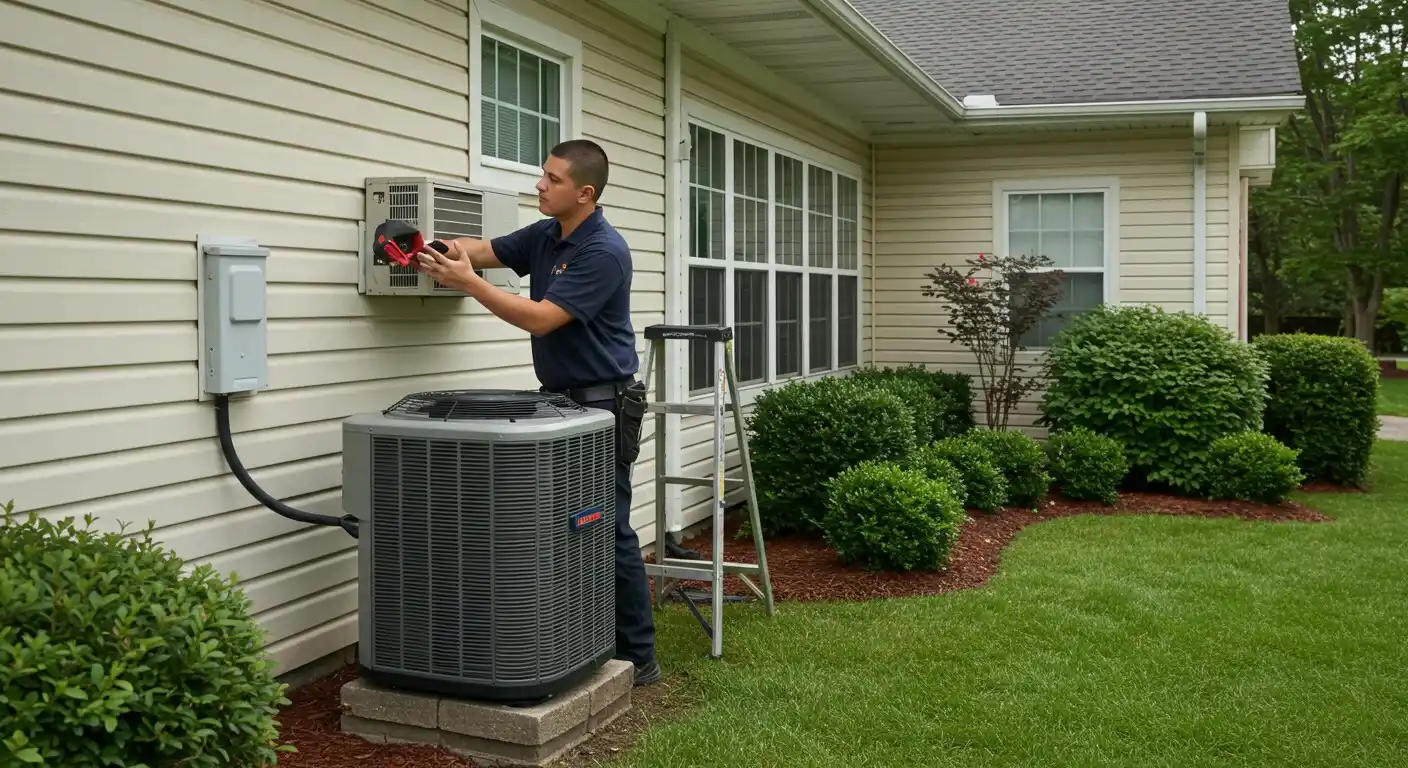
A professional air conditioning installation is a rigorous process involving precise calculations, skilled labor, and strict adherence to safety codes. The goal is to ensure the system performs according to the manufacturer’s specifications for its entire lifespan. We follow a structured approach to ensure every detail is handled correctly.
Load Calculation and Sizing
Before any equipment is ordered, a technician performs a manual load calculation. This goes beyond simply looking at the square footage of the home. Factors such as window orientation, insulation levels, ceiling height, and heat-generating appliances are all considered. This ensures the unit is neither too small (which causes it to run constantly) nor too large (which causes short-cycling and humidity issues). Correct sizing is the single most critical step in the installation process.
Site Preparation and Protection
On the day of installation, the crew prepares the workspace to protect your property. Drop cloths are laid down to protect flooring, and the area around the outdoor condenser unit is cleared of debris. If an old unit is present, the refrigerant is safely recovered according to EPA regulations before the unit is disconnected. This prevents environmental contamination and prepares the lines for the new equipment.
Equipment Placement and Connection
The new indoor evaporator coil and outdoor condenser are positioned. For the outdoor unit, a solid, level pad is established to prevent vibration and sinking over time. The refrigerant lines (the copper tubing connecting the indoor and outdoor units) are either replaced or thoroughly flushed and tested for integrity. The technician then brazes the connections, flowing nitrogen through the lines to prevent oxidation and future blockages.
Electrical and Drainage Integration
Safe electrical connections are established, often involving the installation of a new disconnect box for safety. The condensate drain line is also reconstructed or cleaned to ensure it flows freely. A safety float switch is typically installed to shut the system down if the drain becomes clogged, preventing water damage to your home’s infrastructure.
System Commissioning and Testing
Once the physical installation is complete, the system is not simply turned on and left alone. The technician performs a startup procedure known as "commissioning." This involves measuring static pressure, checking refrigerant charge using subcooling and superheat methods, and verifying that the temperature drop across the coil is within the target range. Only after these metrics are verified is the installation considered complete.
Deciding Between Repair and Replacement
Determining whether to sink more money into an existing unit or invest in a new one is a common dilemma for homeowners in Eagle Point. While repairs can solve immediate issues, there is a tipping point where a new installation becomes the more financially sound decision. Making this choice requires analyzing the age of the unit, the cost of the repair, and the future reliability of the system.
The 50% Rule
A general industry standard for making this decision is the 50% rule. If the cost of the repair approaches or exceeds 50% of the value of the system (or the cost of a new unit), replacement is almost always the better option. Putting a significant amount of money into an asset that has already depreciated substantially rarely yields a good return on investment.
Age of the Equipment
Air conditioners generally have a lifespan of 10 to 15 years. If your unit is over 10 years old and requires a major repair—such as a compressor replacement or a new condenser coil—it is often wiser to replace it. As units age, parts become harder to source, and the efficiency of the unit naturally degrades. A 12-year-old unit will likely break down again in the near future, leading to a cycle of recurring repair bills.
Refrigerant Type
Older air conditioners utilize R-22 refrigerant (often known as Freon), which has been phased out due to environmental regulations. If your older unit has a refrigerant leak, topping it off is incredibly expensive and increasingly difficult. Modern systems use R-410A or newer, more eco-friendly refrigerants. Upgrading resolves the issue of obsolete refrigerant availability and protects you from skyrocketing repair costs associated with R-22.
Frequency of Breakdowns
If you have needed to call for repairs more than once in the last two seasons, your system is signaling that it is nearing the end of its life. Frequent breakdowns are inconvenient and often happen during the hottest days of the year when the system is under the most stress. Replacing the unit eliminates this unreliability and provides peace of mind that your home will stay cool when it matters most.
Local Considerations for AC Installation
Installing an air conditioner involves navigating specific local conditions that affect how the system should be set up and maintained. In the Rogue Valley, the climate presents unique challenges that must be addressed during the installation phase to ensure the system can handle the load.
Addressing Dry Heat and High Loads
The summers here are characterized by low humidity and high temperatures. This creates a significant "sensible cooling load," meaning the AC works hard to lower the temperature rather than just removing moisture. System sizing must be precise to handle these peak heat days without causing the energy bill to spike. Insulation and ductwork integrity in attics (which can reach extreme temperatures) are critical factors that are inspected during the installation process.
Permitting and Code Compliance
All new HVAC installations require proper permitting to ensure safety and compliance with local building codes. This includes electrical safety checks and verification that the unit meets minimum efficiency standards. A professional installation includes handling all necessary paperwork with the local building department. This protects the homeowner from liability and ensures that the warranty on the equipment remains valid, as manufacturers often void warranties on unpermitted work.
Wildfire Smoke and Air Quality
Given the regional tendency for wildfire smoke in late summer, many homeowners choose to integrate advanced air purification systems during their AC installation. Standard filters may not catch fine smoke particulates. Upgrading to a media cabinet filter or an electronic air cleaner during the installation of the central air system can significantly improve indoor air quality when outdoor air quality is poor.
Electrical Grid compatibility
Older homes may have electrical panels that are near capacity. Adding a modern central air conditioner might require a dedicated circuit or a panel upgrade. A licensed installer will evaluate the home's electrical capacity to ensure the new AC unit can run safely without tripping breakers or causing voltage drops that could damage sensitive electronics.
Central Air vs. Ductless Solutions
When planning an installation, it is important to choose the right configuration for your home’s architecture. While central air is the standard for homes with existing ductwork, it is not the only option. Stone Heating and Air evaluates your specific layout to recommend the most effective solution.
Central Air Conditioning
This is the most common solution for homes that already have a forced-air heating system. It utilizes the existing ducts to distribute cooled air throughout the house. The benefits include a centralized filtration point and an unobtrusive aesthetic, as the equipment is hidden away. It is ideal for cooling the entire home evenly and is generally the most cost-effective option if ductwork is already in place.
Ductless Mini-Splits
For room additions, garages, or older homes with boiler heating (no ductwork), ductless mini-splits are an excellent alternative. These systems feature wall-mounted indoor heads connected to an outdoor compressor. They offer "zoning" capabilities, allowing you to control the temperature in individual rooms independently. This can lead to significant energy savings, as you do not need to cool unused rooms.
Dual Fuel Systems
In some cases, installing a heat pump (which provides both heating and cooling) is the best route. A dual-fuel system pairs an electric heat pump with a gas furnace. In the summer, the heat pump acts exactly like an air conditioner. In the winter, it provides efficient heating until temperatures drop to freezing, at which point the gas furnace takes over. This hybrid approach optimizes energy usage year-round.
Why Professional Installation Matters
The longevity and efficiency of your air conditioner are determined 80% by the quality of the installation and only 20% by the brand of the equipment. A top-tier unit installed poorly will fail prematurely, while a mid-range unit installed perfectly will provide years of reliable service.
Warranty Protection:
Manufacturers are very strict regarding warranty claims. If a compressor fails because the lines were not properly brazed or the refrigerant charge was incorrect, the manufacturer may deny the claim. Professional installation ensures that all protocols are followed, protecting your investment with full warranty coverage.
Safety and Liability
HVAC installation involves high-voltage electricity and high-pressure refrigerant gases. Attempting to cut corners with unlicensed labor puts your home at risk of electrical fires or equipment damage. Professional teams carry the necessary liability insurance and workers' compensation coverage, protecting the homeowner from any accidents that might occur during the project.
Long-Term Efficiency
A system that is not leveled, charged, or ducted correctly will consume more power than necessary. Over the course of 10 to 15 years, this inefficiency adds up to thousands of dollars in wasted energy. Paying for a high-quality installation upfront is an investment that pays dividends in lower monthly operating costs for the life of the system.
Schedule Your AC Installation Today
Don’t wait for your current system to fail completely during a heatwave. Secure your home’s comfort and efficiency with a new, professionally installed air conditioning system. We are ready to assess your needs, provide a clear and competitive estimate, and get your home cool again.
Contact Stone Heating and Air today to discuss your cooling needs and start the installation process.
- Book Expert Service Or Contact Us