

Is Your Air Conditioner Failing to Beat the Summer Heat?
Is your cooling system unable to keep up with the rising temperatures in Applegate, leaving your home uncomfortable when you need relief the most? If your system is cycling constantly without lowering the temperature, contact us immediately to schedule a comprehensive inspection or discuss financing options for a system upgrade.
Inconsistent cooling, strange noises, and rising energy bills are often signs that your AC unit is operating under extreme stress. Ignoring these early warning signs can lead to total system failure right in the middle of a heatwave. Professional maintenance is the most effective way to secure your comfort and protect your investment:
- Ensure your AC runs at peak efficiency throughout the dry summer months.
- Reduce unexpected breakdowns with reliable, timely maintenance checks.
- Restore your cooling fast and enjoy a comfortably cool home.
Licensed, insured, and customer-focused—we make air conditioning worries a thing of the past with Stone Heating and Air.
Comprehensive Checks Today for a Cooler Tomorrow
Effective air conditioning maintenance goes far beyond a simple filter change. A thorough tune-up is a strategic intervention designed to reverse the wear and tear accumulated over previous seasons. When a technician arrives at your home in Applegate, the goal is to optimize the entire system's thermodynamics and electrical performance. This ensures that every watt of electricity you pay for translates directly into cooling power.
Many homeowners are unaware that a system loses a percentage of its efficiency for every year of operation if left unchecked. Dust accumulation on coils acts as an insulator, preventing the system from absorbing heat from your home and releasing it outside. This forces the compressor to work harder and run longer to achieve the same thermostat setting. A comprehensive check specifically targets these inefficiencies.
During a professional maintenance visit, specific components are prioritized to ensure longevity:
- Thermostat Calibration: Verification that your thermostat reads the indoor temperature accurately, ensuring the system cycles on and off at the correct times to prevent energy waste.
- Electrical Connection Tightening: Loose connections can cause dangerous voltage fluctuations and component burnout. Technicians measure voltage and amperage on all motors to ensure they remain within safety specifications.
- Lubrication of Moving Parts: Friction is the enemy of mechanical systems. Motors and fans require precise lubrication to reduce resistance, lower electricity usage, and prevent overheating.
- Condensate Drain Inspection: The cooling process generates moisture. If the drain line is clogged with algae or debris, it can lead to water damage in your home or cause the system to shut down unexpectedly.
- Refrigerant Level Assessment: Incorrect refrigerant levels, whether too low or too high, drastically reduce efficiency and can permanently damage the compressor.
By addressing these issues proactively, you avoid the compounding costs of inefficiency and minor repairs turning into major overhauls.
Our Quick & Simple Maintenance Process Explained
We believe that securing your home comfort should not be a disruption to your daily life. Our maintenance process is streamlined, transparent, and designed to provide you with immediate answers regarding the health of your cooling system. We respect your time and property, ensuring that the workspace is left as clean as we found it.
When you schedule a service, you are engaging a process that prioritizes technical accuracy and clear communication. Here is how the typical maintenance appointment unfolds:
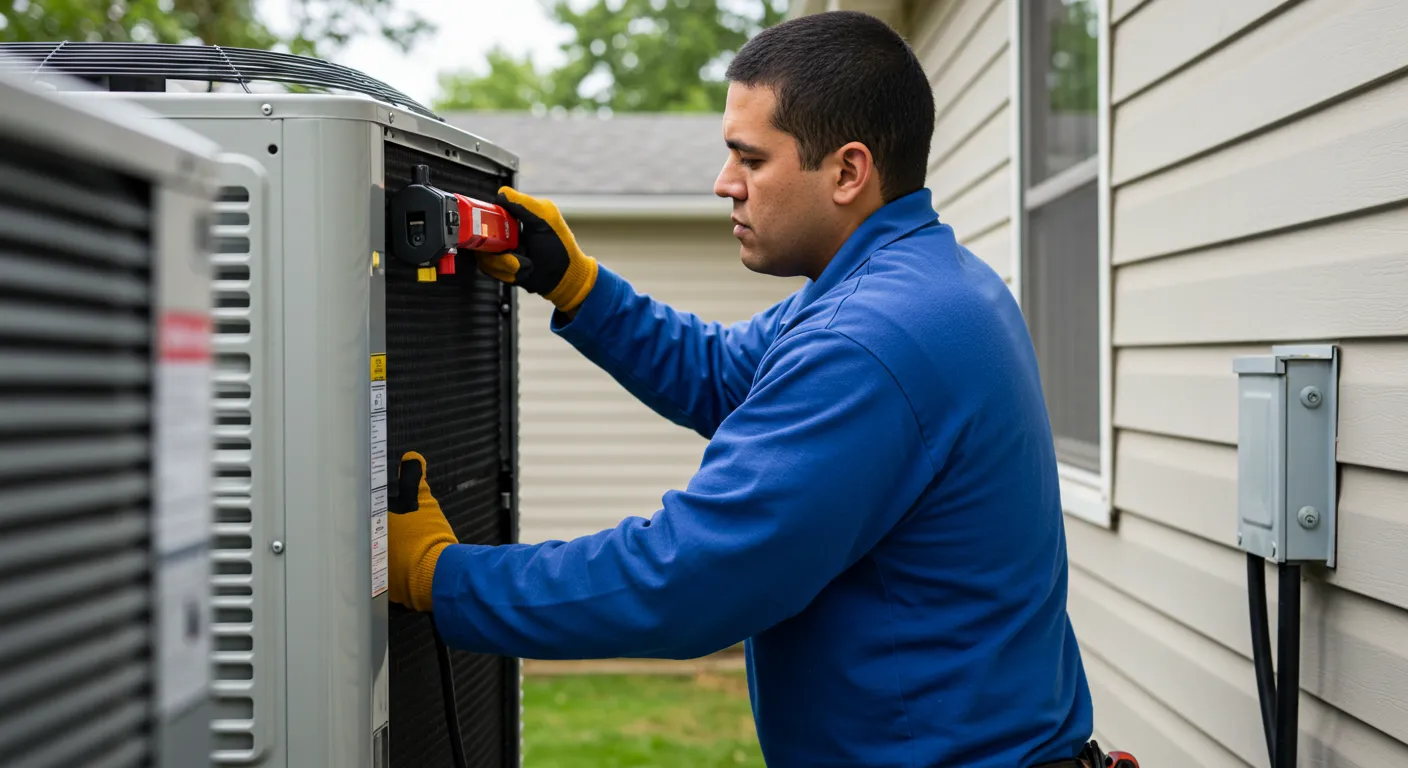
- Initial System Assessment: The technician begins by listening to the unit during operation and checking the thermostat settings. This establishes a baseline for performance and identifies any immediate auditory or visual red flags.
- Component Isolation and Cleaning: Power is safely disconnected to allow for deep cleaning. The technician focuses on the condenser coils, removing dirt, leaves, and cottonwood that block airflow.
- Internal Mechanics Inspection: The blower motor and fan belt are inspected for wear. Capacitors are tested to ensure they are holding the correct charge required to start the compressor and fans reliably.
- System Testing and Re-commissioning: Once cleaned and adjusted, the power is restored. The technician monitors the system through a full cooling cycle, measuring the temperature drop across the evaporator coil (the "split") to confirm the unit is cooling effectively.
- Reporting and Recommendations: You receive a clear report detailing the work performed. If any parts are nearing the end of their lifespan, you are informed immediately with no pressure, allowing you to make an educated decision about future repairs.
Deciding Between AC Repair or Replacement: What You Need to Know
One of the most difficult decisions a homeowner faces is knowing when to stop repairing an aging unit and when to invest in a replacement. While maintenance extends the life of your equipment, there comes a point of diminishing returns where a new system is the more financial viable option.
Understanding the balance between upfront costs and long-term savings is critical. Stone Heating and Air helps you navigate this decision using industry-standard guidelines and a clear assessment of your current unit’s condition.
The 5000 Rule
A common metric used in the HVAC industry to gauge the viability of a repair is the "$5000 Rule." To use this, multiply the age of your equipment by the estimated cost of the repair. If the total exceeds $5,000, replacement is generally recommended. For example, if your 12-year-old unit requires a $500 repair (12 x 500 = 6,000), the money is better spent on a new, more efficient system. If the total is less than $5,000, repair is likely the smarter choice.
Refrigerant Types
The type of refrigerant your system uses is a major factor. Older units typically run on R-22 (Freon), which has been phased out due to environmental regulations. Supplies of R-22 are limited and extremely expensive. If your R-22 system develops a leak, the cost to recharge it may be nearly half the cost of a new condenser. Modern systems use R-410A or newer alternatives, which are cheaper to service and better for the environment.
Energy Efficiency Ratings (SEER)
Air conditioners are rated by Seasonal Energy Efficiency Ratio (SEER). Older units may have SEER ratings of 10 or 12. Modern standards require a minimum of 13 or 14, with high-efficiency units reaching well over 20. Upgrading from a SEER 10 to a SEER 16 unit can reduce your cooling costs by significantly, essentially paying for the new unit over time through utility savings alone.
Consider replacement if you notice the following:
- Frequent Breakdowns: If you are calling for repairs more than once a year, the unit is becoming unreliable.
- Uneven Cooling: If some rooms are freezing while others are hot, the system may be losing compression or failing to distribute air properly.
- Excessive Noise: Grinding, squealing, or banging sounds often indicate major internal component failure.
- Age: Most AC units have a lifespan of 10 to 15 years. Units approaching the 15-year mark are living on borrowed time.
Navigating Applegate's Climate with Your AC Setup
The climate in this region presents specific challenges for air conditioning hardware. With a Mediterranean climate characterized by warm, dry summers and mild, wet winters, your system faces a unique set of environmental stressors that require specific attention during maintenance.
Summer temperatures drive a high demand for cooling. The dry heat means your air conditioner runs for extended cycles to maintain indoor comfort. This places a heavy load on the compressor and the capacitor. During these months, airflow is king. The dry air is often accompanied by dust and particulate matter, especially from nearby agricultural activity. This debris clogs condenser coils faster than in other climates, restricting the unit's ability to dump heat outdoors.
Conversely, the wet winters bring about 30-40 inches of annual precipitation. While you aren't using the AC in winter, the outdoor unit sits exposed to moisture. This can lead to rust and corrosion on the cabinet and internal electrical contacts if the unit isn't properly protected or if the paint finish has been compromised. Vegetation growth is also accelerated during the wet season. Shrubs, vines, and grass can quickly encroach on the outdoor unit, choking off airflow when you turn the system back on in spring.
Local building codes and energy standards also play a role in how your system is maintained or replaced. Ensuring your refrigerant handling and electrical modifications meet local regulations is part of professional service. We ensure that your system complies with all regional requirements, keeping your home safe and compliant for insurance and resale purposes.
Key local considerations for your maintenance plan include:
- Vegetation Management: Clearing a two-foot perimeter around the outdoor unit to prevent airflow restriction from rapid spring growth.
- Debris Removal: thoroughly washing out dust and pollen from the condenser coils to combat the dry summer accumulation.
- Rust Prevention: Inspecting the unit for signs of corrosion caused by winter moisture and treating affected areas.
Why Choose Us? Experience the Difference with Professional Service
When your comfort is on the line, the quality of the service provider matters as much as the quality of the equipment. Choosing the right team ensures that you receive honest assessments, transparent pricing, and technical expertise that solves problems rather than masking them.
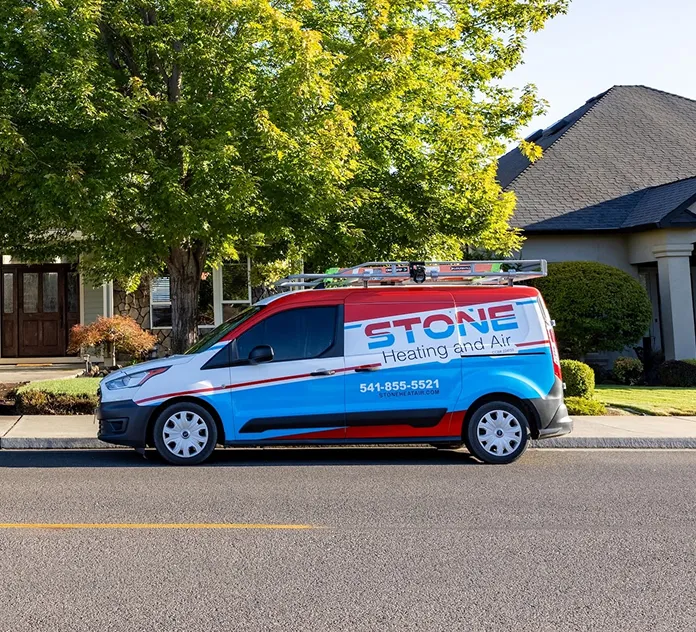
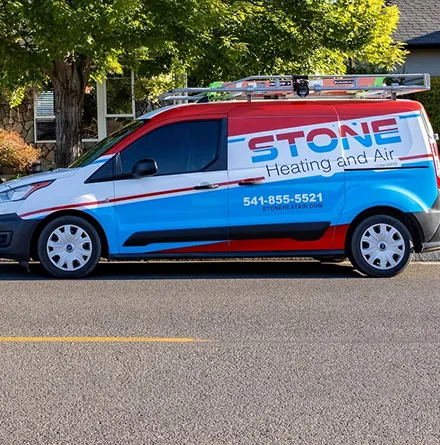
We differentiate ourselves through availability and preparation. We understand that AC failures rarely happen at convenient times. That is why we emphasize prompt response times to restore your environment to a livable temperature as quickly as possible. Our technicians arrive in fully stocked service vehicles, carrying the most common parts required for repairs. This reduces the need for follow-up visits and gets your system running smoothly in a single trip whenever possible.
Professional service also means peace of mind regarding warranties and workmanship. DIY maintenance or hiring unlicensed handymen can void manufacturer warranties, leaving you liable for expensive part replacements down the road. We adhere to strict manufacturer protocols, ensuring that your warranty remains valid and your system is serviced according to the engineering specifications.
We prioritize the following service standards:
- Diagnostic Accuracy: We use advanced tools to identify the root cause of the issue, not just the symptom.
- Transparent Communication: You will know exactly what is wrong and what it costs to fix it before we begin any work.
- Respect for Property: We use drop cloths and shoe covers to protect your home during service visits.
- Safety Compliance: All electrical and refrigerant work is performed strictly according to safety codes to protect your household.
Your home is your sanctuary, and maintaining a cool, controlled climate is essential for your quality of life. Don't wait for the first heatwave to discover your system is compromised. Proactive care is the key to longevity, efficiency, and uninterrupted comfort. Trust Stone Heating and Air to keep your system running flawlessly.
Stay Cool and Confident All Summer Long with Stone Heating and Air
Beat the heat before it beats your home comfort. At Stone Heating and Air, we make it easy to protect your cooling system from surprise breakdowns and rising utility costs with fast, reliable, and professional AC maintenance. Whether your unit needs a thorough tune-up, performance evaluation, or recommendations on repair vs. replacement, our expert technicians are ready to restore efficiency and peace of mind. Don’t wait for small issues to become major headaches—secure dependable comfort all season long. Contact Stone Heating and Air today and schedule your AC maintenance for a cooler, stress-free summer.
- Book Expert Service Or Contact Us