

Eliminate Unexpected Breakdowns and High Energy Bills
Is your heating or cooling system running constantly but failing to keep your home comfortable? Inconsistent temperatures and rising utility costs are clear signs that your equipment needs immediate professional attention, so contact us today to schedule your service or inquire about financing options. Homeowners in Applegate, OR, rely on their HVAC systems to handle distinct seasonal shifts, and neglecting routine care often leads to premature failure. Stone Heating and Air provides rigorous inspections and tuning to restore your system’s performance and reliability:
- Certified technicians dispatched quickly to address efficiency issues before they become major repairs.
- Comprehensive cleaning and calibration to lower monthly energy consumption and extend equipment lifespan.
- Seasonal safety checks tailored to protect your home from electrical hazards and carbon monoxide leaks.
All maintenance services are fully insured, backed by a satisfaction guarantee, and performed by licensed professionals who respect your property.
What to Expect From Professional HVAC Maintenance
Routine maintenance is not a simple visual inspection; it is a deep cleaning and calibration process designed to bring your system back to factory specifications. When a technician arrives at your home, the goal is to identify wear and tear that leads to breakdowns during the hottest or coldest days of the year. Modern HVAC systems comprise complex electrical, mechanical, and chemical components that must work in perfect synchronization. If one component is off—such as a slightly undercharged refrigerant line or a loose electrical connection—the entire system strains to compensate, drawing more power and wearing out parts faster.
A professional tune-up proactively resolves these minor discrepancies. The immediate result is a system that runs quieter, cools or heats more evenly, and cycles on and off less frequently. Over time, this meticulous care translates into significant financial savings. By preventing the system from overworking, you delay the need for a costly replacement and keep monthly utility bills manageable. The service includes a thorough assessment of airflow, safety controls, and moving parts to ensure the unit is ready for the heavy workload of the upcoming season.
Comprehensive System Tune-Up Checklist
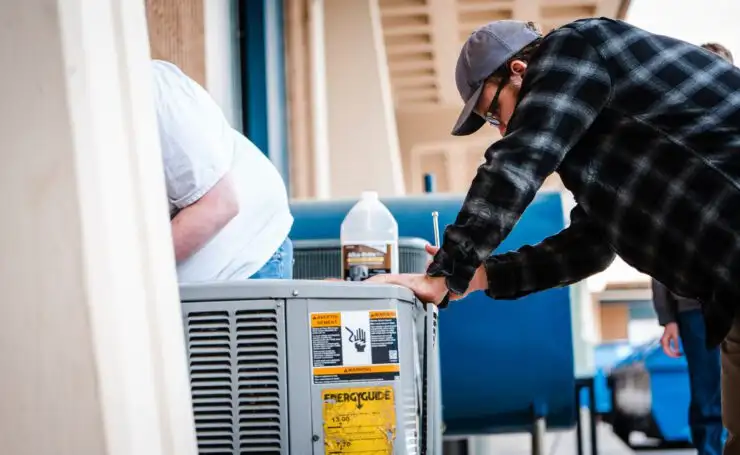
A complete maintenance visit covers every aspect of your climate control system. The specific tasks vary depending on whether you have a furnace, air conditioner, or heat pump, but the objective remains the same: total system optimization.
Air Conditioning and Heat Pump Cooling Maintenance
During the warmer months, the focus shifts to heat rejection and humidity control. The following steps are critical for maintaining cooling efficiency:
- Condenser Coil Cleaning: The outdoor unit is exposed to dirt, pollen, and debris. Dirty coils cannot release heat effectively, causing the compressor to overheat. Technicians chemically clean these coils to restore proper heat transfer.
- Refrigerant Level Check: Incorrect refrigerant levels drastically reduce cooling capacity and can damage the compressor. Technicians measure superheat and subcooling to ensure levels meet manufacturer specifications.
- Condensate Drain Inspection: The cooling process generates moisture. If the drain line is clogged with algae or sludge, it can back up and cause water damage to the home. The drain line is flushed and treated to prevent blockages.
- Electrical Component Testing: Capacitors and contactors eventually wear out. Testing these components ensures they can start the compressor and fan motor reliably, preventing "hard starts" that damage the motor windings.
- Thermostat Calibration: A thermostat that reads the temperature incorrectly will cause the system to run longer than necessary. Technicians verify the accuracy of the thermostat and check the connection to the unit.
Furnace and Heat Pump Heating Maintenance
When preparing for colder weather, safety and combustion efficiency take priority. The heating tune-up includes:
- Heat Exchanger Inspection: This is a critical safety step for gas furnaces. Technicians check for cracks or corrosion that could allow carbon monoxide to leak into the living space.
- Burner Cleaning and Adjustment: Dirty burners result in incomplete combustion, which lowers efficiency and creates soot. The burner assembly is cleaned to ensure a proper flame sensor signal and efficient fuel usage.
- Igniter Testing: The igniter is responsible for lighting the fuel. Resistance levels are checked to predict if the part is nearing the end of its life, allowing for replacement before the heat fails.
- Blower Motor Amp Draw: The blower motor circulates air throughout the house. High amp draw indicates friction or restriction, suggesting the motor needs cleaning or the capacitor needs replacement.
- Air Filter Replacement: While homeowners should change filters regularly, technicians check the filter housing for bypass gaps and replace the filter to ensure unrestricted airflow.
How the Maintenance Process Works
We have streamlined the service process to be as non-intrusive and thorough as possible. From the moment the appointment is booked, the focus is on clear communication and technical excellence:
- Arrival and Assessment: The technician arrives within the scheduled window, fully equipped with diagnostic tools. The process begins with a conversation about any specific comfort issues, such as hot or cold spots in the house or unusual noises.
- System Diagnostics: Before opening the unit, the technician performs a static pressure test to evaluate airflow. This identifies if the ductwork is restricting air or if the system is struggling to "breathe."
- Execution of Service: The technician proceeds through the detailed checklist, cleaning components, tightening electrical connections, and lubricating moving parts. Specialized tools like combustion analyzers and digital manifolds provide precise data on system performance.
- Safety Verification: For gas-fired equipment, a carbon monoxide test is performed to ensure the unit is venting safely. For electrical systems, wire gauge and breaker sizes are verified against the unit's requirements.
- Reporting and Recommendations: Once the service is complete, the technician provides a detailed report of the findings. If a part is showing signs of imminent failure, you receive a clear explanation and options for repair, but there is no pressure to buy unnecessary upgrades.
When to Repair vs. Maintain vs. Replace
Understanding where your system falls in its lifecycle helps in making smart financial decisions. Maintenance is preventative; repair is reactive; replacement is strategic.
Maintenance
This is for systems that are currently operational but need care to stay that way. If the system is under ten years old and generally reliable, routine maintenance is the best investment. It keeps the warranty valid and prevents the efficiency loss that naturally occurs with age.
Repair
Repair is necessary when a specific component has failed. If the system is relatively new (under 10 years) and the cost of the repair is less than 50% of the value of the equipment, repair is usually the right choice. Common repair scenarios include replacing a failed capacitor, swapping out an inducer motor, or fixing a refrigerant leak.
Replacement
Replacement becomes the more economical choice when the system is over 15 years old, or when the cost of repairs approaches the cost of a new unit. Frequent breakdowns, rising energy bills despite maintenance, and inconsistent temperatures are signs that the technology is obsolete. Newer systems offer higher SEER ratings and variable-speed technology that simply wasn't available a decade ago, offering savings that eventually offset the installation cost.
Local Considerations for Applegate Homeowners
Operating an HVAC system in this region requires specific attention to environmental factors. The local climate features damp, chilly winters and warm, dry summers, which places unique stress on heating and cooling equipment:
- Humidity Management: In the winter, excess moisture can lead to mold growth if the heating system isn't circulating air properly. In the summer, the AC must work hard to dehumidify the air. Maintenance ensures the evaporator coil is clean enough to effectively remove moisture from the indoor air.
- Pollen and Dust Load: The surrounding landscape contributes to high pollen counts and dust. This debris rapidly clogs outdoor condenser coils and indoor air filters. Local maintenance schedules often recommend more frequent filter changes and coil cleanings than the national average to combat this accumulation.
- Heat Pump Reliability: Many homes in the area utilize heat pumps. Because these units run year-round—providing both heating and cooling—they endure double the wear and tear of a standalone furnace or AC. Biannual maintenance is strictly recommended for heat pumps to ensure the reversing valve and defrost board function correctly during freezing temperatures.
- Electrical Stability: Rural and semi-rural grids can experience voltage fluctuations. Installing hard start kits or surge protectors during maintenance visits is a common recommendation to protect sensitive compressor electronics from power surges.
Why Professional Care Outperforms DIY
Many homeowners attempt to maintain their systems by simply changing the filter and hosing down the outdoor unit. While these are helpful steps, they do not constitute a full tune-up. Professional maintenance utilizes diagnostic equipment that sees what the human eye cannot:
- Refrigerant Precision: You cannot check refrigerant levels by feel. It requires a manifold gauge set to read pressures and temperature clamps to calculate superheat and subcooling. An overcharged unit is just as inefficient as an undercharged one.
- Combustion Analysis: For gas furnaces, a combustion analyzer measures the oxygen, carbon dioxide, and carbon monoxide levels in the flue gas. This ensures the fuel is burning cleanly and safely. A visual flame check is insufficient for verifying combustion safety.
- Electrical Safety: A technician uses a multimeter to check the resistance (ohms) of electrical components. This predicts failure before it happens. A DIY approach usually only identifies a part that has failed after the system stops working.
- Warranty Compliance: Most equipment manufacturers require proof of professional annual maintenance to keep the warranty valid. If a compressor fails in year four of a ten-year warranty, the manufacturer may deny the claim if there are no service records.
Securing Your Home Comfort
Your heating and cooling system is the heart of your home, ensuring livability through every season. Neglecting it leads to stress, discomfort, and unnecessary expense. By choosing professional maintenance, you are investing in the longevity of your property and the safety of your family. A well-maintained system provides cleaner air, consistent temperatures, and the peace of mind that comes from knowing you are prepared for whatever the weather brings.
Don't wait for a breakdown to think about your HVAC system. Stone Heating and Air is ready to assist you with comprehensive maintenance plans designed for local conditions. Secure your comfort and efficiency today—contact us now to book your HVAC maintenance service.
- Book Expert Service Or Contact Us