

Eliminate Inconsistent Heating and Rising Energy Bills
Is your home feeling chilly despite your heater running constantly, or have you noticed a sudden spike in your utility costs? It might be time for a professional heating maintenance check to ensure your system is operating safely and efficiently—contact us today to schedule your comprehensive tune-up or to discuss financing options for major repairs.
Homeowners in Applegate often ignore their heating systems until the equipment fails completely. Delaying necessary inspections can lead to compounded mechanical issues, safety hazards regarding carbon monoxide, and significantly reduced equipment lifespan. Stone Heating and Air provides a thorough solution to restore system integrity before the peak of winter hits:
- Quick, reliable maintenance to restore warmth and efficiency immediately.
- Scheduled servicing that suits your timetable, including emergency call-outs for sudden failures.
- Transparent pricing with flexible financing options for extensive work.
- Licensed and insured—your peace of mind is guaranteed.
Comprehensive Heating Maintenance Scope
A heating tune-up is not merely a quick visual inspection; it is a rigorous calibration of your home’s climate control system. When a technician arrives, the objective is to reset the equipment to factory specifications, ensuring that the unit consumes the least amount of energy possible while providing the maximum amount of heat. This process involves stripping down the accessible components of the furnace or heat pump to remove debris, tighten connections, and verify safety protocols.
The scope of a professional maintenance visit covers the entire combustion or heat transfer process. For gas furnaces, this includes a detailed analysis of the burner assembly. Over time, burners can accumulate soot and oxidation, which disrupts the flame pattern. A disrupted flame results in uneven heating and can damage the heat exchanger. Technicians clean these burners and adjust the gas valve pressure to ensure the fuel-to-air mixture is optimal for complete combustion.
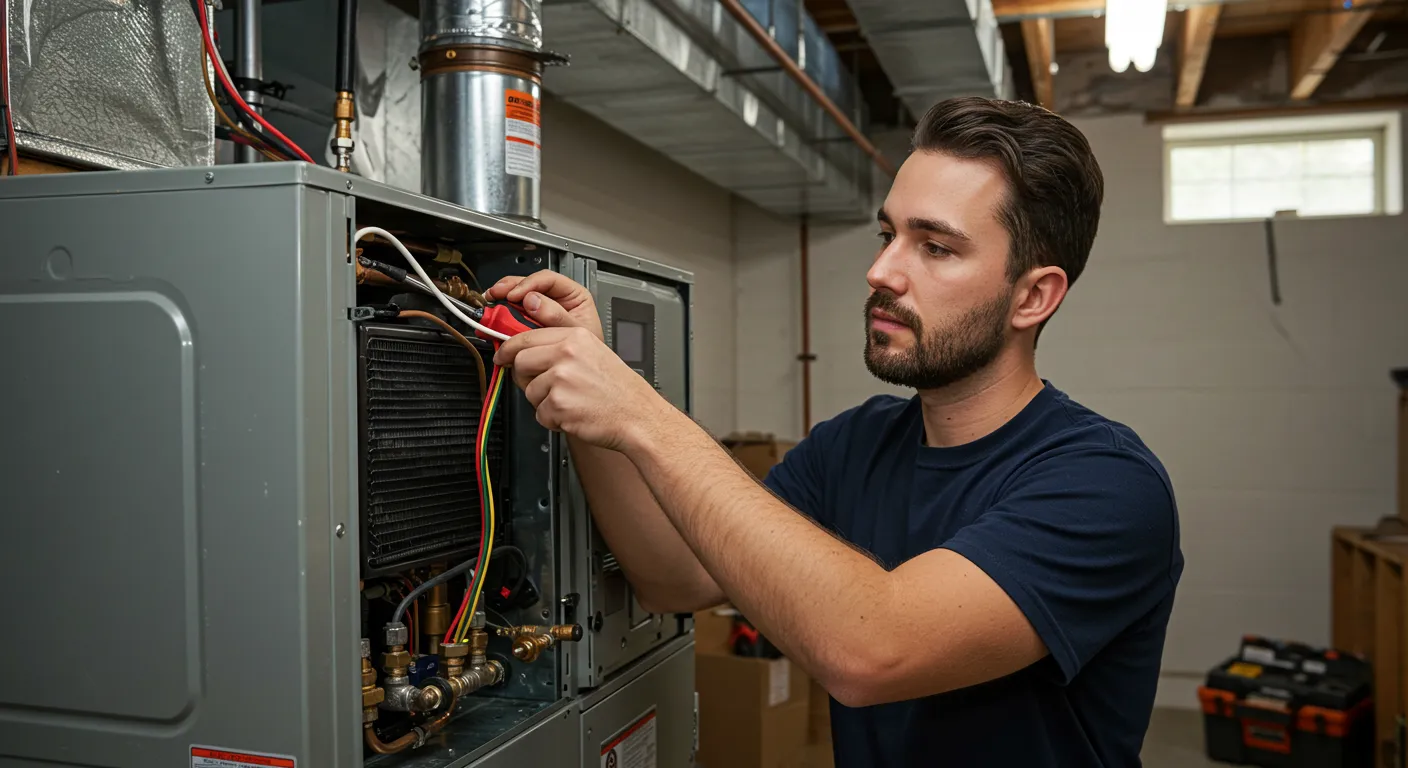
Electrical components undergo a stress test. Loose connections are a leading cause of intermittent system failure and fire hazards. The maintenance process involves tightening every electrical terminal, measuring the voltage and amperage on motors, and testing capacitors. A capacitor that is operating outside of its rated range can cause the blower motor or inducer motor to overheat and fail prematurely. Identifying these weak points during a maintenance visit prevents mid-winter breakdowns.
Airflow analysis is another critical pillar of the service scope. Restricted airflow suffocates a heating system, causing it to work harder than necessary. This section of the maintenance involves inspecting the blower wheel for dust buildup, which acts as a drag on the motor. The technician also evaluates the static pressure within the ductwork to identify blockages or design flaws that may be hindering performance. By balancing the airflow, the system distributes heat more evenly across the square footage of the home.
Safety controls are tested to failure. This means the technician simulates dangerous conditions—such as a blocked flue or an overheating plenum—to ensure that the safety switches (limit switches, rollout switches, and pressure switches) engage and shut the system down as intended. Verifying these safety mechanisms is essential for protecting the household from fire risks and carbon monoxide exposure.
The Maintenance Process Step-by-Step
Understanding the workflow of a maintenance appointment helps homeowners prepare for the service. The process is designed to be non-intrusive while providing a deep clean and inspection of the heating unit:
- Initial Assessment and Safety Check: The technician begins by operating the system in its current state to listen for unusual noises, such as grinding or rattling, which indicate loose parts or bearing failure. A carbon monoxide detector is often used around the unit to ensure immediate safety before work begins.
- System Deactivation and Access: Power to the heating unit is cut at the disconnect box to ensure safety. Access panels are removed to expose the blower compartment, burners, and control board. This allows the technician to reach internal components that are not visible during daily operation.
- Cleaning and Lubrication: Using specialized brushes and vacuums, the technician removes dust and debris from the interior cabinet, the blower assembly, and the burners. If the system has lubrication ports, bearings are oiled to reduce friction. This step is vital for reducing the electrical load on the system’s motors.
- Component Testing and Calibration: The technician uses a multimeter to check the resistance of the igniter (in furnaces) or the condition of the contactor (in heat pumps). The thermostat is calibrated to ensure it reads the room temperature accurately. If the system utilizes a pilot light, the thermocouple is inspected for wear.
- Filter and Air Quality Review: The existing air filter is inspected. If it is clogged, it is replaced or cleaned, depending on the type. The technician also checks the return air drop for major leaks that could be pulling in dust or debris from a crawlspace or attic.
- Final Operation and Reporting: The system is powered back on and run through a full heating cycle. The technician measures the temperature rise—the difference in temperature between the air entering the return and the air leaving the supply—to confirm it falls within the manufacturer’s specified range. A detailed report of the findings, including any recommendations for repairs, is provided to the homeowner.
Deciding Between Maintenance, Repair, and Replacement
Homeowners often struggle to determine whether a simple tune-up is sufficient or if the system requires a significant repair or full replacement. Making the right financial decision depends on the age of the unit, the frequency of breakdowns, and the cost of operation:
- When Maintenance is Sufficient: If the system is under ten years old and has been heating the home relatively well, a maintenance visit is usually all that is needed. Maintenance is preventative. It is the correct choice when the goal is to maintain the manufacturer's warranty, improve energy efficiency, and prevent future issues. If the unit makes minor noises or if the utility bill has crept up slightly, a tune-up will likely resolve the issue by cleaning dirty components and tightening loose parts.
- When Repair is Necessary: Repair is required when a specific component has failed. This goes beyond cleaning. If the blower motor has seized, the igniter is cracked, or the control board is unresponsive, a specific part must be replaced. Signs that you need a repair rather than just maintenance include the system blowing cold air, short-cycling (turning on and off rapidly every few minutes), or loud banging noises. In these cases, a diagnostic fee applies, and the specific broken part is targeted. Stone Heating and Air technicians can transition from a maintenance check to a repair service if a critical failure is identified during the inspection.
- When Replacement is the Smarter Investment: Replacement becomes the most viable option when the cost of repairs approaches 50% of the value of a new system, or when the system is over 15 years old. Older units operate at much lower efficiency ratings (AFUE) compared to modern standards. If a heat exchanger is cracked, replacement is almost always the only safe option due to the risk of carbon monoxide leaks. Additionally, if the system requires R-22 refrigerant (for older heat pumps), the phasing out of this chemical makes repairs prohibitively expensive. Investing in a new system resets the warranty coverage and immediately lowers monthly energy costs.
Regional Climate Factors Affecting Heating Systems
Operating a heating system in Applegate requires attention to specific environmental factors. The region experiences a Mediterranean climate, characterized by warm, dry summers and mild but wet winters. This specific weather pattern creates unique challenges for heating equipment that generic advice does not always address:
- Moisture and Corrosion Risks: The wet winters in this area mean that humidity levels can remain high during the heating season. For gas furnaces, particularly those located in unconditioned spaces like garages or attics, this moisture can lead to accelerated corrosion of the heat exchanger and burner assembly. Rust on these components is not just a cosmetic issue; it can lead to holes in the firebox, creating a safety hazard. Regular maintenance in this region must include a rigorous inspection for rust and corrosion that might be missed in drier climates.
- Heat Pump Defrost Cycles: Because temperatures in the region often hover in the 20s with high humidity, heat pumps are prone to frost accumulation on the outdoor coil. While heat pumps have an automatic defrost cycle, the frequency of this cycle in the local climate can put significant stress on the reversing valve and the control board. If the defrost cycle fails, the unit will freeze over completely, stopping heat production and potentially damaging the compressor. Local technicians check the defrost control board and sensors specifically to handle the regional damp-cold conditions.
- Particulate Buildup from Dry Summers: Although the heating season is wet, the preceding dry summer often leads to significant dust and pollen accumulation. When the heater is turned on for the first time in late autumn, this accumulated debris is pulled into the blower compartment and filter. This "summer buildup" is a primary reason for early-season failures. Cleaning the system thoroughly before the heavy rains set in helps ensure that airflow remains unrestricted throughout the winter.
- Local Codes and Utility Requirements: Heating systems must comply with local building codes regarding venting and gas piping. Older homes in the area may have venting systems that are no longer up to code, particularly if a high-efficiency furnace was retrofitted into an existing chimney setup. Improper venting can lead to moisture damage in the chimney structure or back-drafting of exhaust gases. Professional maintenance includes verifying that the flue gases are venting correctly according to local safety standards and that the combustion air intake is sufficient for the unit's size.
Why Professional Execution Matters
Choosing the right provider for heating maintenance determines the longevity of the investment. A cursory glance at a heater is not maintenance. True preservation of the asset requires diagnostic precision and an understanding of thermal dynamics:
- Advanced Diagnostic Tooling: Modern heating systems rely on complex electronics. Verification of performance requires more than a simple thermometer. Technicians utilize combustion analyzers to measure oxygen and carbon monoxide levels in the flue gas, ensuring the burn is clean and safe. Manometers are used to measure static pressure in the ductwork to identify airflow restrictions invisible to the naked eye. This data-driven approach removes guesswork and provides a baseline for the system's health.
- Adherence to Manufacturer Specifications: Every heating unit comes with a specific set of engineering requirements regarding gas pressure, temperature rise, and voltage. Deviating from these specs by even a small margin can reduce efficiency by double-digit percentages. Professional service ensures that the unit is tuned exactly to the parameters set by the engineers who designed it, preserving the validity of the manufacturer's warranty.
- Supply Chain and Parts Access: In the event that a maintenance visit reveals a worn part, immediate access to high-quality replacement components is essential. Professional services maintain relationships with major suppliers, ensuring that common failure points—like capacitors, igniters, and sensors—can be replaced on the spot or sourced quickly. This minimizes system downtime during the colder months when heating is essential for comfort and pipe safety.
- Long-Term System History: Establishment of a service record is vital for the resale value of a home and for future troubleshooting. A professional provider maintains a log of every reading taken, every part replaced, and every adjustment made. This history allows technicians to spot trends—such as a slowly failing motor—before they result in a catastrophic breakdown. It transforms maintenance from a reactive task into a proactive strategy for home management.
Secure Your Comfort and Safety
Ignoring the signs of a struggling heating system only leads to higher costs and colder nights. The efficiency of your furnace or heat pump is directly tied to the regularity and quality of its maintenance. By addressing wear and tear proactively, you extend the life of your equipment and ensure reliable warmth for your home.
Don't wait for the first freeze to discover your system is compromised. Take control of your home’s climate and energy consumption today. Contact Stone Heating and Air now to schedule your comprehensive heating maintenance and ensure your system performs when you need it most.
- Book Expert Service Or Contact Us