

Eliminate Inconsistent Temperatures with a High-Performance Heating System
As the wet winter season approaches in Medford, ensuring your home remains a sanctuary against the damp and cold is not just a matter of comfort, but of safety. Relying on an outdated or malfunctioning heating unit during the drop to the low 20s can lead to freezing pipes, poor indoor air quality, and skyrocketing utility costs. Contact us today to schedule a comprehensive assessment or to discuss our flexible financing options for a new system.
Stone Heating and Air provides the expertise required to transition your home from unpredictable heating to consistent, efficient warmth.
- Experience rapid installation timelines that restore heat to your home in a matter of hours, not weeks.
- Deploy high-efficiency systems engineered to lower monthly energy consumption while increasing output.
- Secure your investment with robust manufacturer warranties and labor guarantees for long-term peace of mind.
All installations are fully certified, code-compliant, and come with comprehensive financing options to fit your budget.
Immediate Relief with Professional Heating Installation
When your heating system fails or struggles to keep up, the immediate impact on your household is stress and discomfort. Professional installation solves the root cause of these issues rather than applying a temporary bandage. A new system installation is not merely about swapping one metal box for another; it is about re-engineering the airflow and thermal dynamics of your property to ensure every room reaches the desired temperature without forcing the equipment to overwork.
Modern heating technology has advanced significantly in recent years. By choosing a professional installation now, you gain access to variable-speed blowers, smart thermostat integration, and higher AFUE (Annual Fuel Utilization Efficiency) ratings that were unavailable a decade ago. These advancements mean that the heat generated is delivered more quietly and evenly throughout the living space. You stop paying for heat that vanishes through leaks or inefficiencies and start paying only for the comfort you actually feel.
Securing a professional installation today also mitigates the risk of mid-winter breakdowns. The most dangerous time for a furnace or heat pump to fail is during a cold snap when the system is under maximum load. By proactively installing a new unit, you eliminate the emergency service calls associated with aging equipment. You gain control over your indoor climate, ensuring that regardless of how much rain falls or how low the mercury drops in the Rogue Valley, your interior environment remains stable.
Today’s Deal: Swift, Efficient Heating Setup
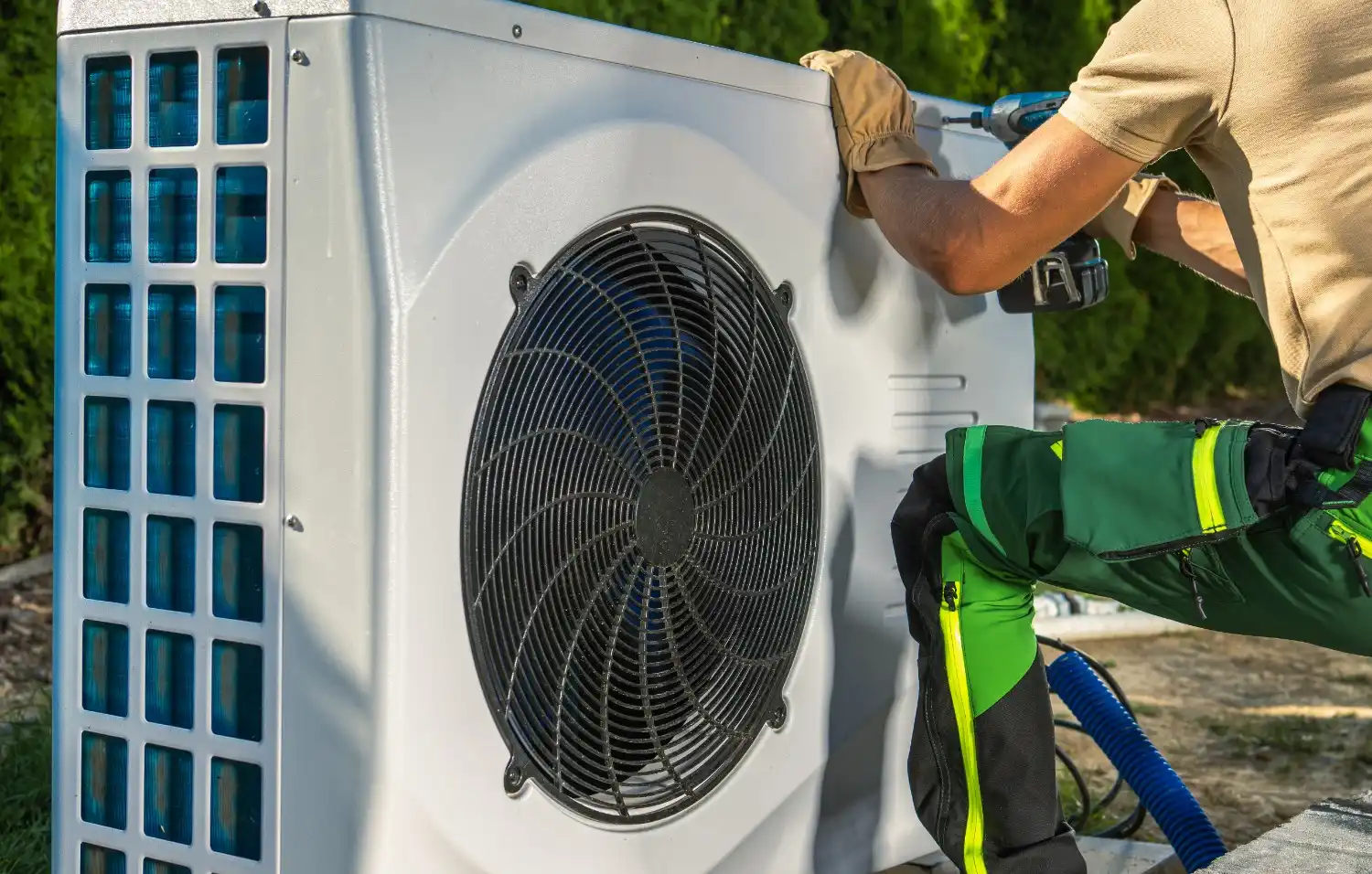
Investing in a new heating system today provides immediate tangible benefits regarding scope, timeline, and inclusion — view our gallery. The goal is to minimize disruption to your daily life while maximizing the performance upgrade to your home. When you authorize an installation, the process is streamlined to ensure you are not left in the cold.
- Comprehensive Site Evaluation: The service begins with a load calculation. This is not a guess; it is a calculation based on the square footage, insulation levels, window quality, and orientation of your home. This ensures the unit selected is neither too small (which causes constant running) nor too large (which causes short-cycling and wear).
- Complete System Removal: The scope includes the safe disconnection and disposal of your existing unit. This involves handling gas lines, electrical connections, and old refrigerants according to environmental regulations. You do not need to worry about the debris or the heavy lifting.
- Ductwork Inspection and modification: A high-efficiency heater cannot perform if it is connected to leaking ducts. The setup includes an inspection of the immediate plenum and transition ductwork to ensure the new unit pushes air efficiently into the supply lines.
- Modern Thermostat Integration: Most new installations include the setup of a compatible, often smart, thermostat. This allows for precise control over your heating schedules, further enhancing energy savings.
- Post-Installation Testing: The job is not done when the unit turns on. Technicians perform static pressure tests, gas pressure adjustments, and temperature rise measurements to verify the system is running within factory specifications before they leave the premises.
The Installation Process: What to Expect
Understanding the mechanics of the installation process helps alleviate anxiety about the work being done in your home — visit our FAQs. The process is systematic, adhering to strict safety protocols and industry best practices to ensure the longevity of the equipment.
- Arrival and Site Preparation:
Technicians arrive with all necessary equipment and the new unit. Floor runners and drop cloths are laid down to protect flooring and carpets in traffic areas. The workspace around the heating unit is cleared to ensure safety and accessibility.
- Safety Disconnects:
Power to the existing HVAC system is shut off at the breaker panel. For gas furnaces, the gas supply is shut off and capped. This ensures a zero-energy state before any physical work begins.
- Extraction of Old Equipment:
The plenum connection is broken, and the old unit is disconnected from the flue pipe, gas lines, and electrical whip. The unit is carefully maneuvered out of the utility closet, attic, or basement and loaded onto the truck for recycling.
- Positioning the New Unit:
The new furnace or air handler is brought into position. Leveling is critical here; a unit that is not level may experience drainage issues (for high-efficiency condensing furnaces) or premature blower motor wear. Vibration isolation pads may be installed to reduce noise transfer.
- Making Connections:
The flue pipe is reconnected or replaced with PVC if upgrading to a high-efficiency model. Gas lines are reconnected with a new drip leg to catch sediment. Electrical high-voltage and low-voltage control wires are stripped and secured.
- System Startup and Calibration:
Once physically installed, the system is powered on. Technicians check the flame sensor, igniter, and blower operation. They measure the temperature difference between the supply and return air to ensure the heat exchanger is transferring heat correctly.
- Final Walkthrough:
The technician walks you through the operation of the new system, explains filter maintenance requirements, and demonstrates how to use the new thermostat interface.
Deciding Between Repair and Full Replacement
Homeowners often struggle with the decision to repair an aging unit or invest in a full replacement. While repairs can seem cheaper upfront, they are often less economical in the long run. There are clear indicators when replacement is the mathematically and practically superior choice.
- The 50% Investment Rule:
If the cost of the repair approaches 50% of the value of a new system, replacement is the better financial move. Spending half the cost of a new unit to keep a 15-year-old machine running for perhaps one more year is a poor return on investment.
- Frequency of Failures:
If your system has required repairs more than once in the last two years, it has entered the failure phase of its lifecycle. Continued repairs will likely escalate in cost and frequency. Replacement stops the bleeding of cash into a dying asset.
- Age of the Equipment:
Furnaces typically last 15 to 20 years, while heat pumps last 10 to 15 years. If your equipment is in this age range, parts may be becoming obsolete or expensive to source. Even if it runs, its efficiency has likely degraded significantly compared to when it was new.
- Rising Energy Bills:
If your heating habits haven't changed but your utility bills are creeping up, your system is losing efficiency. A modern system can be up to 30% more efficient than a standard unit from 15 years ago. The monthly savings on utilities often offset a portion of the monthly financing cost of a new installation.
- Safety Concerns:
For gas furnaces, cracks in the heat exchanger are a non-negotiable trigger for replacement. A cracked exchanger can leak carbon monoxide into the home. If a technician flags this issue, repair is rarely an option; replacement is necessary for the safety of the occupants.
- Comfort Issues:
If some rooms are hot while others are freezing, or if the house feels dry and dusty, the old unit may lack the variable speed technology or filtration capabilities required to maintain a comfortable environment. New systems offer better humidity control and air filtration.
Local Climate Considerations for Optimal Heating
Operating a heating system in the Rogue Valley requires specific considerations regarding climate and local regulations. The weather patterns here dictate which systems perform best and how they should be installed to handle the environmental load.
- Handling Mild, Wet Winters:
The region experiences average winter highs in the 20s. This temperature range is ideal for modern heat pumps, which can extract heat efficiently from the air even at these temperatures. Unlike areas with sub-zero freezes, homeowners here can often rely entirely on a heat pump without needing an expensive backup gas furnace, though dual-fuel systems remain a popular choice for redundancy.
- Humidity and Mold Prevention:
With significant rainfall occurring from October to April, indoor humidity management is vital. A properly sized heating installation by Stone Heating and Air helps regulate indoor moisture levels. Oversized units run for short bursts, which satisfies the temperature setting but fails to circulate air long enough to remove moisture, potentially leading to mold growth. Correct sizing ensures longer run times that effectively dry the air.
- Wildfire Smoke and Air Quality:
While winter is wet, the preceding dry summers often leave residual smoke or particulate matter in the area. Heating installations now frequently consider indoor air quality (IAQ) add-ons. Ensuring the new system can handle high-MERV filtration without restricting airflow is essential for maintaining healthy air year-round.
- Permitting and Code Compliance:
Local building codes dictate specific requirements for venting, gas line pressure testing, and electrical disconnects. Installations must adhere to these regulations to ensure insurance validity and future resale value. Professional installers handle the permitting process, ensuring that the work passes all municipal inspections.
Why Choose Us: Testimonials and Certifications
Selecting the right contractor is as important as selecting the right brand of equipment. The quality of the installation determines 80% of the system’s reliability and efficiency. We focus on technical precision and verifiable credentials to demonstrate our capability.
- Certified Expertise:
Technicians undergo rigorous training and certification processes. This ensures they are up-to-date on the latest building codes, refrigerant handling procedures, and high-voltage safety protocols. You are not getting a handyman; you are getting a licensed HVAC professional.
- Manufacturer Partnerships:
Strong relationships with top-tier HVAC manufacturers allow for better warranty coverage. Authorized dealers can offer extended parts and labor warranties that are not available through unauthorized third parties. This protects your investment for up to a decade or more.
- Transparent Processes:
From the initial load calculation to the final explanation of the thermostat, the process is transparent. There are no hidden fees or surprise add-ons. The quote provided is the price paid.
- Respect for Property:
Technicians treat your home with respect, using drop cloths and shoe covers. The workspace is left cleaner than it was found, with all old equipment and debris removed from the property.
- Performance Guarantees:
The focus is on the result: a warm, comfortable home. If the system does not perform as promised regarding temperature control and efficiency, the team returns to make it right.
Don’t Let the Cold Decide Your Comfort
Don't wait for the first freeze to discover your heater is inadequate. Secure your comfort and safety now.
Take control of your home’s climate today by contacting us to schedule your professional heating installation.
- Book Expert Service Or Contact Us