

Experiencing Unexpected HVAC Breakdowns?
Don't let a failed HVAC system disrupt your comfort or safety this season. At Stone Heating and Air, we provide rapid, reliable installations to restore your ideal home climate fast; contact us today to schedule your consultation or inquire about our flexible financing options.
When your heating or cooling system fails, you need a solution that goes beyond a quick patch. We focus on long-term efficiency and reliability.
- Immediate service availability for urgent full-system replacements.
- Energy-efficient units specifically tailored to the unique climate of Cave Junction.
- Season-ready installations that ensure year-long comfort regardless of outside weather.
All installations are fully warranted and comply with local regulations, with financing available for qualified homeowners.
Comprehensive HVAC Installation Solutions
Securing a new HVAC system is a significant investment in your property and your daily quality of life. The technology behind heating and cooling has advanced rapidly, meaning a modern installation offers far more than just temperature control. It provides humidity regulation, improved air quality, and substantial reductions in monthly energy expenditure.
When you choose a professional installation, you are purchasing a complete system overhaul designed to function flawlessly for the next 15 to 20 years. We do not simply swap out boxes; we analyze the entire thermal envelope of your home. This ensures that the equipment we recommend is neither oversized, which causes short-cycling and humidity issues, nor undersized, which leads to constant running and inability to reach set temperatures.
Your installation package includes every component required for a fully operational system. This encompasses the removal and environmentally responsible disposal of your old unit, inspection and modification of existing ductwork to handle modern airflow requirements, and the calibration of smart thermostats to maximize energy savings. We handle the logistics of the entire project, ensuring that from the moment our trucks arrive in Cave Junction until the final system test, the process is seamless and non-intrusive.
System Options Tailored to Your Home
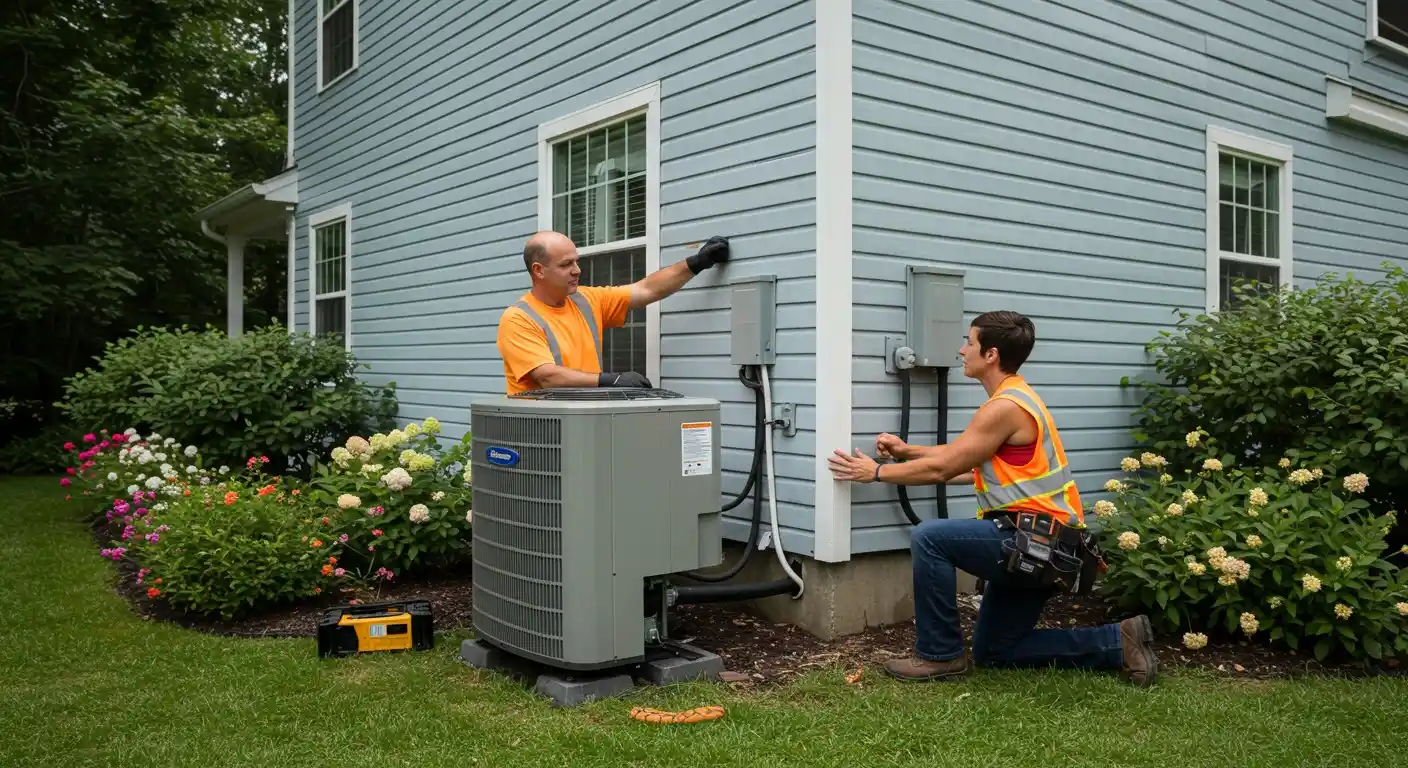
- Central Air Conditioners and Furnaces: The traditional split system remains a reliable choice for many homeowners. We install high-efficiency gas or electric furnaces paired with potent AC units. This setup is ideal for homes with existing ductwork and those requiring powerful heating output during the coldest winter nights.
- Heat Pumps: Given the moderate winters and warm summers in our region, heat pumps are an increasingly popular choice. These systems move heat rather than generating it, providing both heating and cooling from a single unit. Modern heat pumps maintain efficiency even when temperatures drop, making them a versatile solution.
- Ductless Mini-Splits: For additions, garages, or homes without existing ductwork, ductless systems offer targeted comfort. These units allow for zoning, meaning you only pay to condition the rooms you are occupying, leading to significant energy savings.
- Dual Fuel Systems: This hybrid approach combines an electric heat pump with a gas furnace. The system automatically switches between fuel sources depending on which is more efficient for the current outdoor temperature, optimizing costs throughout the year.
The Installation Process Step-by-Step
A correct installation is just as important as the brand or rating of the equipment you choose. Even the highest-rated equipment will fail to perform if installed incorrectly. We follow a rigorous, standardized process to ensure every specification is met.
- Load Calculation and Sizing: Before any equipment is ordered, we perform a detailed Manual J load calculation. This engineering calculation considers your home's square footage, insulation levels, window direction, and local climate data. This ensures the unit fits your home's thermal needs exactly.
- Site Preparation and Protection: We respect your property. Our technicians lay down drop cloths and wear protective shoe covers. We clear the workspace to ensure safety and prevent damage to your home and landscaping during the removal of the heavy old unit.
- System Removal and Disposal: We disconnect the gas, electric, and refrigerant lines safely. The old equipment is removed and hauled away for proper recycling and disposal, so you are not left with a rusty unit in your driveway.
- Ductwork and Airflow Inspection: We examine the plenums and accessible ductwork. Leaky or collapsed ducts are repaired to ensure the new system delivers air where it is needed. If the new unit requires different airflow parameters, we modify the transition ductwork for a perfect fit.
- Equipment Installation: The new indoor and outdoor units are positioned and leveled. We braze refrigerant lines using nitrogen purging to prevent oxidation inside the pipes, a critical step for the longevity of modern refrigerants. Electrical connections and control wiring are installed to code.
- Commissioning and Testing: Once connected, the system is not just turned on; it is commissioned. We measure static pressure, check refrigerant charge using subcooling and superheat methods, and verify temperature splits. This confirms the system is operating at the manufacturer's rated efficiency.
- Final Walkthrough: We walk you through the operation of your new system. This includes how to program your thermostat, how to change filters, and what maintenance schedule is required to keep your warranty valid.
Deciding Between Repair and Replacement
Determining whether to sink more money into an aging unit or invest in a replacement is a common dilemma. While repairs are often cheaper upfront, they can be more expensive over time if the system is nearing the end of its lifecycle. We provide honest assessments to help you make the most financial sense of the situation.
- The 50% Rule: A general guideline in the industry suggests that if the cost of a repair approaches 50% of the value of a new system, replacement is the smarter financial move. Investing heavy capital into a dying asset rarely yields a return.
- System Age: Most air conditioners and heat pumps last between 10 and 15 years, while furnaces may last up to 20. If your equipment is within this age range and requires a major repair like a compressor or heat exchanger, replacement is usually recommended.
- Rising Energy Bills: As components wear out, motors and compressors have to work harder to do the same job. If you notice a steady increase in your utility costs without a change in usage, your system’s efficiency has degraded. New systems have higher SEER2 and HSPF2 ratings that can drop energy bills significantly.
- Frequency of Breakdowns: If you have called for repairs more than twice in the last two years, the system is becoming unreliable. The "death by a thousand cuts" of frequent minor repairs often costs more than a monthly payment on a new, warranted system.
- Comfort and Air Quality Issues: Old systems often struggle to dehumidify or maintain consistent temperatures. If some rooms are hot while others are freezing, or if you notice excessive dust and humidity issues, modern equipment with variable-speed technology can solve these problems.
- Safety Concerns: For gas furnaces, a cracked heat exchanger is a non-negotiable replacement trigger due to the risk of carbon monoxide poisoning. Never attempt to repair a cracked heat exchanger.
Local Installation Factors for Cave Junction
Installing HVAC systems in our specific region requires knowledge of local building codes, climate challenges, and utility infrastructure. A generic installation approach often misses the nuances that ensure long-term performance in Oregon.
- Climate-Specific Equipment Selection: Our Mediterranean climate brings wet, cool winters and warm, dry summers. This requires equipment that can handle significant moisture without corroding and switch efficiently between heating and cooling modes. Heat pumps are particularly effective here, but they must be elevated properly to allow for defrost drainage and prevent snow or debris blockage during winter storms.
- Permitting and Code Compliance: Every replacement or new installation in Cave Junction usually requires a permit from the local building department or Josephine County. We handle the administrative burden of pulling these permits. This ensures your installation is legal, safe, and will not cause issues should you decide to sell your home in the future.
- Electrical and Gas Infrastructure: Older homes in the area may not have the electrical panel capacity to support modern, high-powered heat pumps or AC units. We assess your electrical service and coordinate upgrades if necessary. For gas systems, we verify that gas lines are sized correctly for the BTU output of high-efficiency furnaces.
- Utility Rebates and Incentives: Various programs are often available through local utility providers or state initiatives that encourage energy-efficient upgrades. We stay up to date on these opportunities and provide the documentation you need to apply for rebates, potentially lowering the net cost of your installation.
Technical Superiority and Installation Standards
The difference between a system that lasts 10 years and one that lasts 20 often comes down to the installation practices used. Manufacturers engineer equipment to precise standards, but those standards are only met if the installer adheres to strict protocols. At Stone Heating and Air, we utilize industry-best practices that go beyond the minimum code requirements.
We utilize brazing techniques that ensure leak-free refrigerant lines, a major source of failure in hastily installed systems. We also focus heavily on airflow. A system that cannot breathe will overheat and fail prematurely. By verifying static pressure and duct integrity, we ensure the blower motor is not overstressed.
Furthermore, we prioritize the calibration of safety controls. Every limit switch, pressure sensor, and flame sensor is tested to ensure it engages exactly when it should. This attention to detail protects your home and family. We do not view an installation as complete until we have verified that the system is running quietly, efficiently, and safely.
Why Professional Sizing Matters
One of the most critical errors in HVAC installation is improper sizing. Many homeowners assume that "bigger is better," believing a larger unit will cool or heat the home faster. In reality, an oversized unit turns on and off frequently (short-cycling). This puts immense stress on the compressor, shortens the system's life, and fails to remove humidity from the air, leaving the home feeling clammy.
Conversely, an undersized unit runs continuously, never reaching the thermostat set point on extreme weather days. This leads to high energy bills and a system that burns out quickly. We use precise calculations to find the "Goldilocks" zone—a system sized perfectly to maintain constant comfort and maximum efficiency.
Securing Your Home Comfort
Your home is your sanctuary, and a reliable HVAC system is the engine that keeps it comfortable. Whether you are dealing with an emergency breakdown or proactively upgrading an aging unit, the quality of the installation determines your future comfort and savings. We bring the technical expertise, local knowledge, and commitment to quality that ensures your investment is protected.
Do not leave your comfort to chance or settle for subpar workmanship. Secure a system that performs efficiently year after year. Ready to upgrade your home comfort? Contact us today to schedule your expert consultation and installation.
- Book Expert Service Or Contact Us