

Reliable Cooling Solutions for Extreme Desert Heat
The desert heat can be unbearable and potentially dangerous when your air conditioning fails, leaving your home uncomfortable and your family at risk. You need immediate, professional intervention to restore a safe indoor environment. Contact us today to schedule your consultation or discuss flexible financing options.
Stone Heating and Air provides rapid, code-compliant installation services designed to handle the specific demands of the local climate.
- Emergency installation services available to minimize downtime during heatwaves
- High-efficiency SEER units selected to reduce long-term energy consumption
- Full compliance with all local building codes and permitting requirements
All installations come with comprehensive warranty coverage and transparent financing plans to fit your budget.
Professional, Timely AC Installation Services
Living in this region means that air conditioning is not a luxury; it is a necessity for health and safety. When a system fails completely or becomes too costly to operate, the speed and quality of the replacement service are paramount. An improper installation can reduce the efficiency of a new unit by up to 30%, negating the benefits of buying premium equipment. The focus remains on delivering a system that cools effectively from the moment it is turned on, without requiring callbacks or adjustments.
Our team specializes in the installation of various cooling systems, including central air conditioners, heat pumps, and ductless mini-split systems. Each home presents a unique thermal profile based on square footage, insulation levels, and window orientation. A "one-size-fits-all" approach does not work in an environment where temperatures frequently exceed triple digits. The goal is to match the specific cooling load of the property with the correct equipment capacity to ensure consistent temperature control and humidity management.
Residential cooling technology has advanced significantly in recent years. Modern systems offer variable-speed compressors and smart thermostat integration that allow for precise climate control. Upgrading to these systems requires technicians who understand high-voltage electrical work, refrigerant handling, and airflow dynamics. We ensure that every component, from the outdoor condenser to the indoor evaporator coil, is integrated seamlessly.
Speedy Installation with Lasting Results
When you commit to a new air conditioning installation, you are investing in the next 10 to 15 years of your home’s comfort. However, the immediate concern is often the timeline. Homeowners cannot afford to wait weeks for equipment delivery or installation slots during the peak of summer. We prioritize inventory availability and efficient scheduling to get your new system running as quickly as possible.
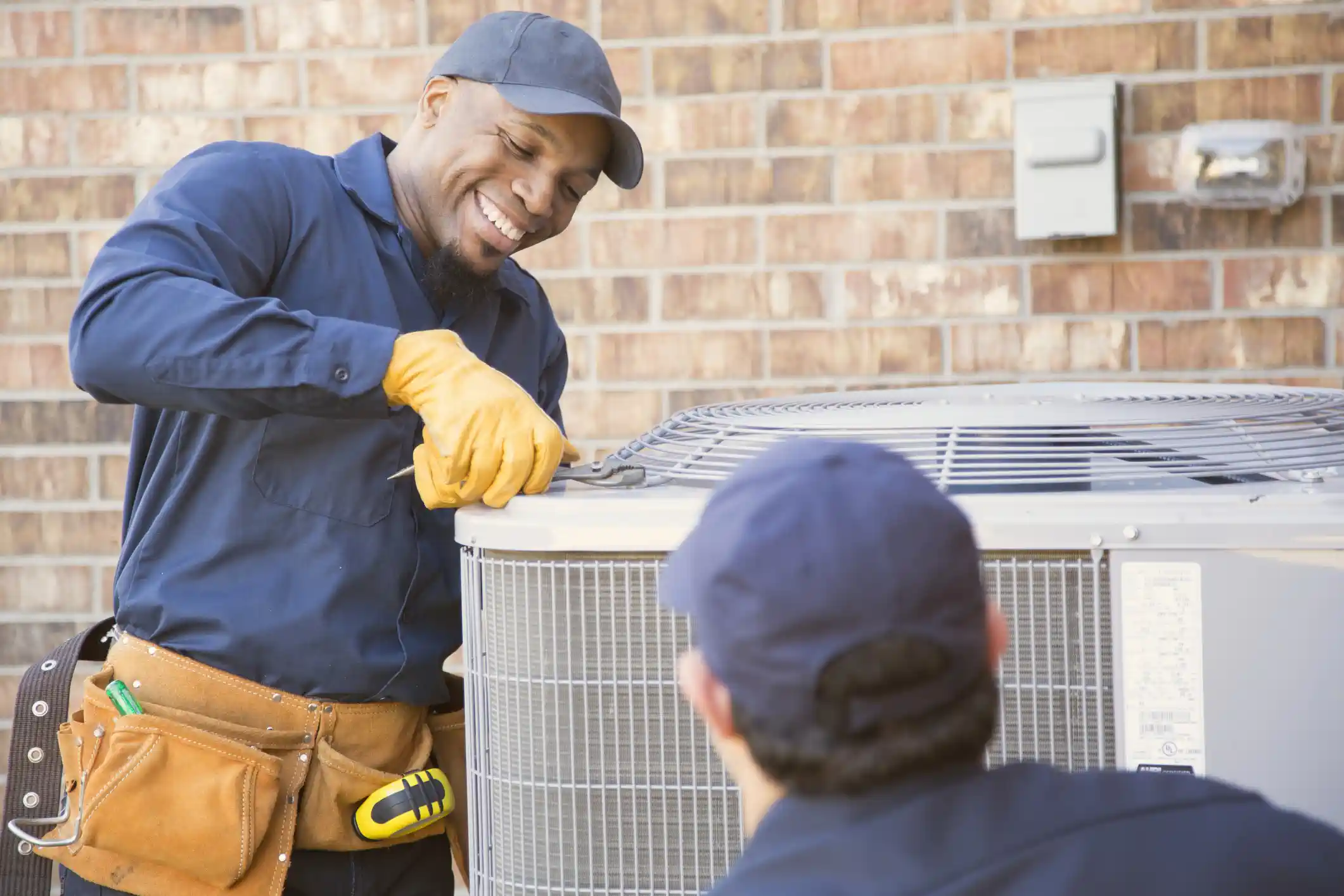
The scope of a standard installation includes more than just swapping out the grey box outside. It involves a thorough assessment of the existing infrastructure to ensure the new unit can perform at its rated efficiency. This includes inspecting the plenum, checking the condition of the refrigerant lines, and evaluating the electrical disconnect box. If the existing ductwork has leaks or poor design, even the most expensive AC unit will fail to cool the home evenly. We address these underlying issues during the installation phase to prevent future inefficiencies.
What is included in a professional installation:
- Removal and environmentally safe disposal of the old unit and refrigerant.
- Preparation of the installation site, including leveling the pad for the condenser.
- Transition of existing ductwork to match the new air handler or furnace.
- Installation of new safety switches and condensate drain lines.
- Calibration of the thermostat to communicate correctly with the new equipment.
Your Guide to Our AC Installation Process
A systematic approach ensures that nothing is overlooked during the replacement of your cooling system. We follow a strict protocol that adheres to manufacturer specifications and industry best practices. This structured workflow allows us to maintain quality control while working efficiently to restore comfort to your home.
Site Evaluation and Load Calculation:
The process begins with a Manual J load calculation. This engineering calculation determines the exact amount of cooling—measured in BTUs—that your home requires. We do not simply guess based on the size of the previous unit. Renovations, window upgrades, or changes in insulation can alter the home's cooling requirements. Stone Heating and Air uses this data to recommend the correctly sized system.
Protecting the Property:
Before any heavy lifting begins, technicians lay down drop cloths and wear protective shoe covers to keep your home clean. The workspace is cleared of debris, and safe pathways are established to move heavy equipment in and out without damaging flooring or landscaping.
Safe Removal of Existing Equipment:
Technicians pump down the remaining refrigerant from the old system into recovery cylinders, ensuring no harmful chemicals are released into the atmosphere. The old condenser and air handler are disconnected from the electrical and plumbing lines and removed from the premises.
Installation of New Components:
The new indoor evaporator coil and air handler are set in place. Simultaneously, the outdoor condenser is positioned on a stable, level pad. We braze the copper refrigerant lines using nitrogen purging techniques to prevent oxidation inside the pipes, which is critical for the longevity of modern compressors.
Electrical and Drainage Connections:
High-voltage wiring is connected to the disconnect box, and low-voltage control wiring is run to the thermostat. A new condensate drain line is installed with a P-trap and safety float switch. This switch is a vital safeguard that shuts the system down if the drain clogs, preventing water damage to your ceiling or floors.
Vacuum and Charge:
Once the lines are sealed, a vacuum pump is used to remove all moisture and air from the refrigerant lines. This is a non-negotiable step; moisture in the lines can cause acid formation and compressor failure. After achieving a deep vacuum, the system is charged with the precise amount of refrigerant specified by the manufacturer.
Final Commissioning:
The system is powered on and tested. Technicians measure static pressure, airflow, and temperature splits (the difference in temperature between the supply and return air) to verify performance. The homeowner is then walked through the operation of the new thermostat and maintenance requirements.
Deciding Between AC Repair and Replacement
Homeowners often struggle with the decision to repair a faltering unit or invest in a full replacement. In the Phoenix area, where systems run heavily for most of the year, wear and tear accelerates faster than in milder climates. Making the right financial decision requires balancing the immediate cost of a new unit against the cumulative costs of repairs and inefficient energy usage.
The 50% Rule:
A general industry guideline suggests that if the cost of the repair equals or exceeds 50% of the value of the system, replacement is the smarter financial choice. Dumping thousands of dollars into an aging compressor is rarely a sound investment.
Age of the Equipment:
In extreme heat environments, the average lifespan of an air conditioner is typically 10 to 14 years. If your unit is approaching or has surpassed this range, major components are likely to fail soon. Proactive replacement avoids the stress of an emergency breakdown during a heatwave.
Frequency of Breakdowns:
If you have required repairs more than twice in the last two years, the system is signaling the end of its reliable life. Continued repairs often become a "money pit" situation where one fixed part puts strain on another, leading to a cycle of failures.
Energy Efficiency (SEER) Considerations:
Older units may have a SEER (Seasonal Energy Efficiency Ratio) rating of 10 or 12. Modern standards require higher efficiency, with many units rated 16 SEER or above. The energy savings from upgrading to a high-efficiency unit can be substantial, often offsetting a portion of the monthly installation payments.
Refrigerant Type:
Older systems utilize R-22 (Freon), a refrigerant that has been phased out due to environmental regulations. Supplies of R-22 are dwindling and becoming exorbitantly expensive. If an older unit develops a leak, the cost to recharge it may rival the down payment on a new, eco-friendly R-410A or R-32 system.
Understanding Phoenix AC Installation Regulations
Proper installation goes beyond mechanics; it involves strict adherence to local regulations and safety codes. Phoenix and the surrounding municipalities have specific requirements designed to ensure that HVAC systems are safe, efficient, and compatible with the electrical grid. Ignoring these regulations can lead to fines, difficulties in selling your home later, or voided manufacturer warranties.
Permitting Requirements:
Most major HVAC replacements require a building permit. This process ensures that a third-party inspector reviews the installation for safety. We handle the permit application and scheduling of the inspection as part of our service, removing the administrative burden from the homeowner.
Electrical Upgrades:
Newer, high-efficiency systems often have different electrical requirements than units manufactured two decades ago. Local codes may require upgrading the electrical disconnect box, the whip (the flexible wire conduit), or even the breaker at the main panel to meet current National Electrical Code (NEC) standards.
Condensate Management:
Codes mandate specific methods for handling condensate water. Because air conditioners remove humidity, they produce water that must be drained away to prevent structural damage. Regulations often require secondary drain pans and overflow shut-off switches, particularly for units installed in attics.
Ductwork Sealing:
Local energy codes increasingly focus on duct leakage. In some cases, duct testing is required to verify that cooled air is not escaping into the attic or crawlspace. Ensuring tight ductwork improves indoor air quality and reduces the workload on the new machine.
Trusted by Phoenix Homes for Over 20 Years
Selecting a contractor is as important as selecting the brand of air conditioner. The longevity of your system depends heavily on the quality of the installation. We differentiate our services through technical expertise and a refusal to cut corners — read our reviews. Our technicians undergo rigorous training and background checks, ensuring that only qualified professionals enter your home.
We focus on transparency regarding the scope of work. You will receive a clear explanation of the installation plan, the equipment being used, and the expected timeline. We do not rely on high-pressure sales tactics; the goal is to provide the information necessary for you to make an educated decision about your home’s comfort.
Our commitment extends beyond the day of installation. We register your equipment warranties with the manufacturer and provide documentation for any applicable tax credits or utility rebates. By handling the details, we ensure you receive the full value of your investment.
Call Now
Replacing an air conditioning system is a significant decision that impacts your comfort, energy bills, and peace of mind. By choosing a professional installation team, you ensure that your new unit operates at peak efficiency and survives the harsh desert summers for years to come. From accurate load calculations to final code inspections, every step is handled with precision and care. Stone Heating and Air is ready to restore cool, reliable comfort to your home.
Secure your home’s comfort today—contact us now to schedule your AC installation estimate.
- Book Expert Service Or Contact Us