


Backup Power Solutions: Professional Generator Installation
Whether you are facing Phoenix's intense summer outages or want a reliable power source during the unpredictable monsoon season, a professionally installed home generator is crucial for maintaining safety and comfort. Losing your air conditioning when outside temperatures exceed 100°F is not just an inconvenience; it is a health risk that requires immediate, permanent solutions. Stone Heating and Air provides comprehensive installation services to ensure your home remains operational regardless of the status of the public grid. Contact us today to schedule your site assessment or inquire about available financing options.
Residents in the Valley know that grid instability is a reality, not a possibility. Securing your home with a standby generator ensures that essential appliances, specifically HVAC systems and refrigeration, continue running without manual intervention.
- Rapid installation timelines provided with clear, upfront cost estimates.
- Installation performed by fully licensed and certified electricians and plumbers.
- Peace of mind with high-quality generators specifically sized for homes ranging from 2,000 sq. ft. to large estates.
All installations are backed by comprehensive manufacturer warranties and flexible financing options, ensuring your investment is secure and manageable.
Comprehensive Whole-Home Generator Solutions
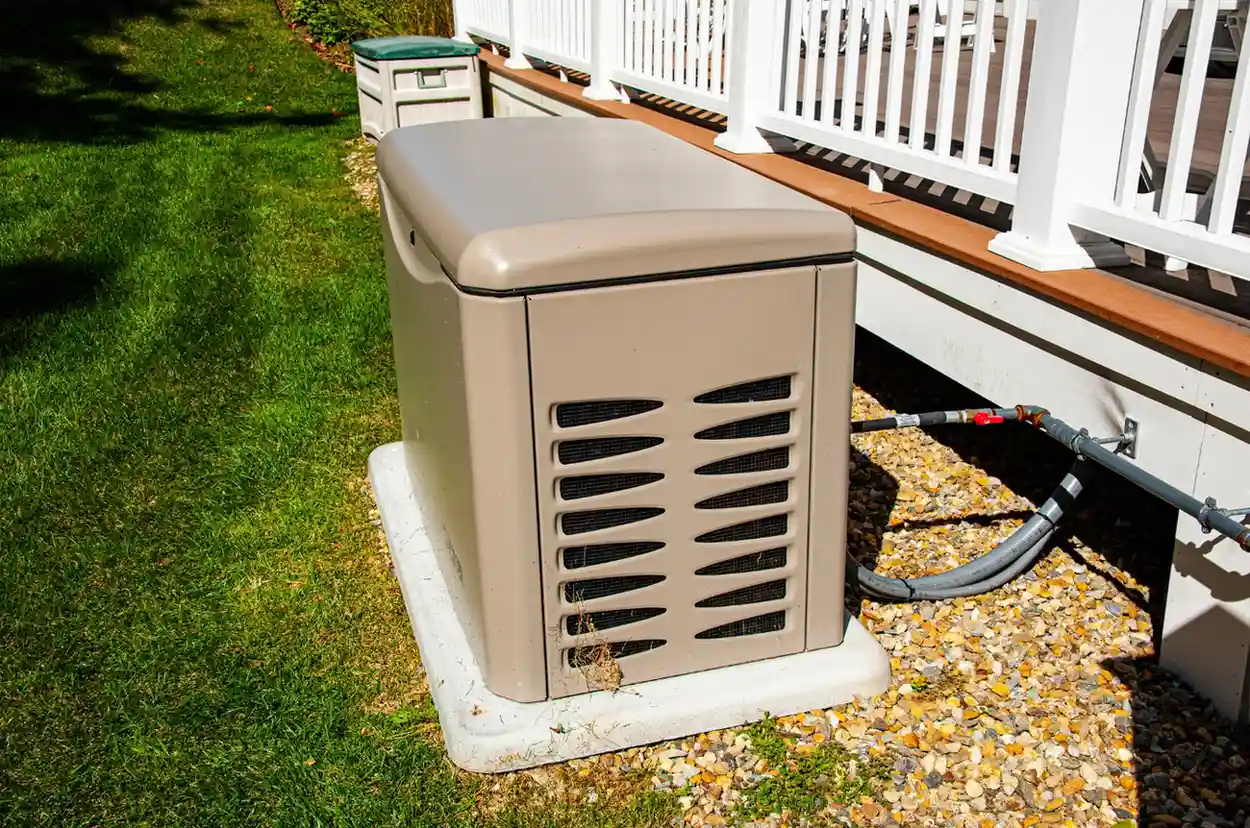
Installing a standby generator is a multi-faceted construction project that involves electrical integration, gas plumbing, and precise site preparation. Unlike portable units that require manual setup and refueling, a whole-home standby generator is a permanent appliance. It is directly connected to your home’s electrical panel and fueled by your existing natural gas or liquid propane (LP) supply. When the grid fails, the system detects the outage and restores power to your home within seconds.
The scope of a professional installation focuses on customizing the power solution to your specific energy demands. A standard 2,000-square-foot home in Phoenix typically requires a specific kilowatt capacity to handle the surge currents of a central air conditioning unit while simultaneously powering lights, refrigerators, and security systems. Undersized units will fail under load, while oversized units result in unnecessary fuel consumption and higher upfront costs.
A professional installation includes a thorough load calculation. This calculation identifies the starting wattage—the surge of power needed to start motor-driven appliances like A/C compressors—and the running wattage required to keep them operating. This ensures that when the power cuts out during a heatwave, your cooling system does not struggle to restart, protecting your expensive HVAC equipment from voltage fluctuations.
The Generator Installation Process
A seamless installation requires coordination between electrical and plumbing trades. The process is designed to be efficient, minimizing disruption to your property while adhering to all local building codes and safety regulations.
- Site Assessment and Sizing: The process begins with an on-site evaluation. Technicians determine the optimal location for the generator unit, ensuring it meets clearance requirements for windows, doors, and flammable materials. A load calculation is performed to select the correct generator size.
- Permitting and HOA Approval: Before any physical work begins, necessary permits are acquired from the city. If applicable, specifications are reviewed against Homeowner Association (HOA) guidelines regarding noise levels and unit placement. This administrative step ensures the installation is legal and compliant.
- Concrete Pad Preparation: A stable foundation is required to prevent the unit from shifting or sinking over time. A composite or concrete pad is leveled and installed. This elevates the generator off the ground, protecting it from water pooling and facilitating proper airflow underneath the unit.
- Plumbing Connection: Since standby generators run on a continuous fuel supply, a licensed professional connects the unit to the home’s natural gas or propane line. This involves running new piping from the meter or tank to the generator location. Pressure tests are conducted to ensure there are no leaks and that the volume of gas flow is sufficient for the generator to run at full load.
- Electrical Integration: The Automatic Transfer Switch (ATS) is the brain of the system. Electricians mount the ATS near the main breaker panel. The utility feed is rerouted through this switch. When utility power is present, it flows through to the panel. When power is lost, the switch isolates the house from the grid (preventing dangerous back-feed) and connects the generator feed.
- Final Testing and Activation: Once all connections are made, the system undergoes a simulated outage. The main breaker is turned off to verify that the generator senses the loss of power, starts up, transfers the load, and powers the designated circuits. The technician also verifies that the unit shuts down and transfers back to utility power once the grid is restored.
When to Invest in Standby Power vs. Portable Units
Homeowners often debate between purchasing a portable gasoline generator and investing in a permanently installed standby unit. While portable units have their place for camping or job sites, they present significant drawbacks and dangers when used as a primary backup for a home, particularly in the Phoenix climate.
The decision to install a standby generator typically centers on automation, capacity, and safety — read our FAQs for details. Portable generators require you to be home to set them up. If a storm knocks out power while you are at work or on vacation, your home remains without power. This means no air conditioning for pets, potential pipe damage if you have critical water systems, and food spoilage in refrigerators.
Furthermore, portable units require manual refueling. storing and pouring gasoline during a blackout is hazardous. Standby generators eliminate this variable entirely by utilizing the home’s existing fuel infrastructure.
The Automatic Transfer Switch (ATS) is the defining differentiator. With a standby installation, the transition is instantaneous. You do not need to drag extension cords through windows or worry about carbon monoxide entering the home through open doors. For households with medical equipment, elderly residents, or young children, the uninterrupted power provided by a standby unit is not a luxury; it is a necessity.
If you currently have a standby generator that is over 10 to 15 years old, replacement may be a more financially sound decision than repair. Older units may lack the sophisticated power management technology found in modern systems, which helps prioritize high-load appliances like A/C units. Additionally, as parts become scarce for older models, the cost of maintenance rises. Upgrading to a modern unit provides better fuel efficiency, quieter operation, and integration with mobile monitoring apps.
Critical Considerations for Power Backup in the Valley
Installing a generator in the Phoenix area involves specific environmental and regulatory considerations that do not apply in cooler climates. The extreme heat affects how machinery operates and where it should be placed.
- Heat Derating: Generators, like all combustion engines, lose efficiency in high temperatures. Manufacturers rate generator output at standard temperatures (often 60°F). In 110°F weather, the engine produces less power. Professional installers account for this "derating" factor when sizing the unit to ensure it still delivers the required amperage during the hottest part of the day.
- Airflow and Placement: Proper clearance is vital. The generator needs to intake cool air and exhaust hot air. Placing a unit too close to a wall, dense landscaping, or a fence can cause the engine to overheat and shut down exactly when you need it most. Stone Heating and Air technicians strategically place units to maximize airflow while adhering to setbacks.
- Monsoon Protection: Dust and debris from haboobs can clog air intakes. Quality installations include weather-resistant enclosures that protect the internal components from the fine dust prevalent in the valley. Additionally, proper grounding is essential to protect the unit’s sensitive electronics from nearby lightning strikes common during monsoon storms.
- Noise Regulations: Municipalities have strict noise ordinances. Modern standby generators are engineered to run quietly, often quieter than a central air conditioner. However, placement relative to property lines is strictly regulated to avoid disturbing neighbors. Installers navigate these zoning laws to place the unit where it is compliant and socially courteous.
Safety and Code Compliance
The intersection of high-voltage electricity and combustible gas requires a high level of expertise. Attempting to cut corners with unlicensed labor or DIY solutions poses severe risks, including fire, electrocution, and carbon monoxide poisoning.
A critical aspect of professional installation is the prevention of "back-feed." Back-feed occurs when a generator sends power back into the utility lines. This creates a lethal hazard for utility line workers attempting to repair the grid. A properly installed ATS mechanically interlocks the systems to prevent this from ever happening.
Furthermore, gas line sizing is often overlooked by amateurs. A generator consumes a significant amount of fuel. If the gas line tapping into the meter is too small, it can starve the generator of fuel under load, causing it to stall, or it can rob other gas appliances (like water heaters) of necessary pressure. Certified plumbers calculate the total BTU load of the home to ensure the gas supply is adequate for all appliances running simultaneously.
Ensuring your generator is installed by a certified team guarantees that manufacturer warranties remain valid — check our customer reviews. Most major manufacturers, such as Generac, require proof of professional installation to honor warranty claims. This protects your investment for the long term.
Why Professional Execution Matters
Reliable backup power is about more than just buying a machine; it is about the quality of the integration into your home’s infrastructure. From the initial load calculation to the final transfer test, every step dictates the reliability of the system during an emergency.
Choosing a dedicated service provider ensures that you have a single point of accountability for both the gas and electrical components of the project. This streamlines the timeline, reduces administrative friction with permits, and results in a cleaner, more aesthetically pleasing installation.
Secure Continuous Comfort and Safety for Your Home: Schedule Now
When the grid goes down, your home should remain a sanctuary of safety and comfort. Don't wait for the next summer outage to discover your home is unprepared; schedule service today.
Secure your home’s power supply today. Contact our team to request a comprehensive consultation and estimate.
- Book Expert Service Or Contact Us