

Is Your Cooling System Failing to Beat the Summer Heat?
When the summer temperatures spike in Grants Pass, a malfunctioning AC unit turns your home from a sanctuary into a sauna, leaving you desperate for relief. You need a solution that restores comfort immediately without navigating complex scheduling or hidden costs. Contact us directly or inquire about financing options to restore your home's cooling today.
- Same-day service availability to get your AC running smoothly.
- Transparent pricing structures with no hidden fees or surprise costs.
- 24/7 emergency repairs available anytime for after-hours breakdowns.
Licensed and insured with financing options to make your repair feasible.
What to Expect From Professional AC Repair Services
When your air conditioner stops working efficiently, you need more than a quick patch; you require a comprehensive restoration of the system’s functionality. A breakdown rarely happens at a convenient time, and in the Rogue Valley, going without cooling during peak summer months is not an option. Professional repair services focus on identifying the root cause of the failure—whether it is an electrical fault, a refrigerant leak, or a mechanical failure—and providing a lasting fix.
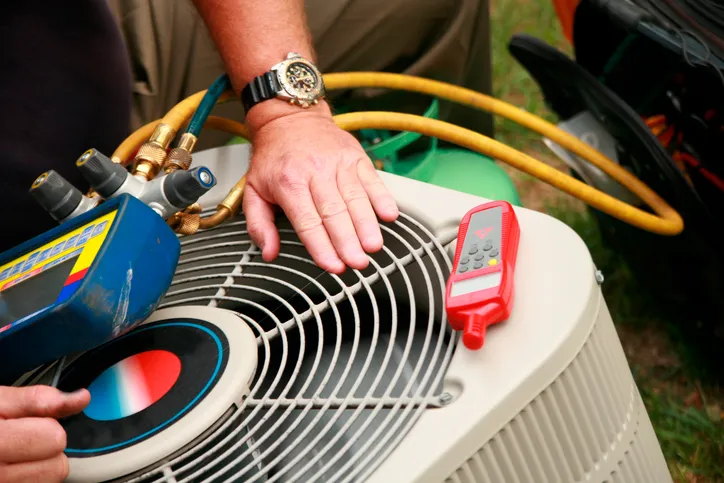
Stone Heating and Air approaches every service call with the goal of extending the lifespan of your current unit while maximizing its efficiency. The scope of a standard repair visit covers the inspection of critical components including the compressor, the evaporator coils, and the electrical connections. Technicians arrive fully equipped to handle common issues on the spot, minimizing the downtime you experience.
Common Failure Points We Address
Air conditioning systems are complex machines composed of mechanical and electrical parts that endure significant stress during hot weather. Understanding what component has failed helps in setting expectations for the repair. — read our FAQs
- Refrigerant Leaks: If your system is blowing warm air or ice is forming on the coils, low refrigerant is often the culprit. Simply topping it off is not a repair; the leak must be located and sealed to prevent future issues and environmental damage.
- Compressor Malfunctions: The compressor acts as the heart of your AC unit. If this component fails to circulate refrigerant, the system cannot cool the home. Hard starts or strange noises often indicate compressor strain.
- Frozen Evaporator Coils: airflow restrictions caused by dirty air filters or blocked ducts can cause the evaporator coil to freeze. This halts the cooling process completely and requires immediate defrosting and airflow correction.
- Electrical Control Failure: Compressors and fan controls can wear out over time, especially when the system cycles on and off frequently. Corrosion on terminals and wires is also a common issue in older systems.
- Thermostat Sensor Issues: If the thermostat sensor is knocked out of position or fails, the air conditioner may cycle constantly or behave erratically, leading to uneven cooling throughout the house.
- Drainage Problems: In humid conditions, the condensate drain can clog, causing water to back up and trigger safety sensors that shut the system down to prevent water damage.
The Diagnostic and Repair Process
Restoring your comfort involves a systematic approach to ensure safety and system reliability. We do not guess at the problem; we utilize advanced diagnostic tools to pinpoint exactly where the efficiency loss or failure is occurring. This ensures that you only pay for the repairs you need.
- Initial System Assessment: The technician begins by inspecting the thermostat settings and the overall condition of the unit. This includes checking the air filter and listening for unusual sounds like grinding or squealing, which indicate mechanical distress.
- Electrical and Mechanical Testing: Using multimeters and pressure gauges, the technician tests the voltage of the electrical components and the pressure of the refrigerant lines. This data reveals the health of the compressor and the motor.
- Diagnosis and Clear Explanation: Once the issue is identified, you receive a detailed explanation of the problem. You are presented with the options for repair, including a transparent breakdown of parts and labor costs, before any work begins.
- Execution of Repairs: Upon approval, the technician proceeds with the repair. This may involve brazing a leak in the line set, replacing a capacitor, or cleaning the coils. The goal is to restore the system to factory specifications.
- Performance Testing: After the repair is complete, the system is cycled through its operations. The technician measures the temperature differential between the supply and return air to ensure the unit is cooling effectively.
- Final Inspection and Site Cleanup: The service concludes with a final check of the work area to ensure no debris is left behind. A service report is provided, detailing the work performed and any recommendations for future maintenance.
Deciding Between Repair and Replacement
Homeowners often face the difficult decision of whether to invest in a repair or commit to a full system replacement. This decision ultimately comes down to financial logic and long-term comfort. — visit our blog While a repair is often the fastest way to get cool air flowing again, there are specific scenarios where replacing the unit is the more economically sound choice.
The 5000 Rule
A common industry standard for making this decision is the "5000 Rule." Multiply the age of your equipment by the estimated cost of the repair. If the total exceeds $5,000, replacement is generally the smarter investment. For example, if you have a 12-year-old unit and the repair costs $500, the total is $6,000, suggesting that replacement is preferable.
When to Stick with Repair
- The Unit is Under 10 Years Old: Modern air conditioners are designed to last 15 to 20 years with proper maintenance. If your unit is relatively young, a repair is likely the most cost-effective path.
- The Warranty is Valid: If your system is still under the manufacturer's parts warranty, the cost of the repair will be significantly lower, making it an easy decision to fix the unit.
- The Issue is Minor: Electrical components like capacitors or contactors are relatively inexpensive to replace and do not indicate that the entire system is failing.
When Replacement is Necessary
- Use of R-22 Freon: If your older unit utilizes R-22 refrigerant, which has been phased out due to environmental regulations, repair costs involving refrigerant will be astronomical. Upgrading to a modern system ensures compliance and lower operating costs.
- Frequent Breakdowns: If you have called for repairs multiple times in the last two years, the system is becoming a money pit. A new unit eliminates these recurring expenses.
- Major Component Failure: If the compressor or heat exchanger has failed on an older unit, the cost of the part and labor often approaches the cost of a down payment on a new, high-efficiency system.
- Rising Energy Bills: As AC units age, their SEER (Seasonal Energy Efficiency Ratio) rating effectively drops due to wear. If your energy bills are climbing despite normal usage, a new system could lower your monthly utility costs significantly.
Navigating Local Climate and Regulations
Operating an HVAC system in Southern Oregon requires specific attention to the local climate and regulatory environment. The hot, dry summers place a unique strain on cooling equipment, necessitating robust systems that can handle prolonged periods of high temperatures. Conversely, the transition to cool, wet winters means that many homeowners rely on heat pumps that serve both heating and cooling functions.
Utility Considerations
In this region, Pacific Power provides the electricity that keeps your AC running. High-efficiency repairs and upgrades are crucial to keeping utility bills manageable during the peak heat of July and August. Furthermore, homeowners should be aware of rebate programs offered through the Energy Trust of Oregon or federal tax credits for upgrading to ENERGY STAR-certified equipment. Understanding these incentives can offset the cost of major repairs or replacements.
Building Codes and Permits
All significant HVAC work in Grants Pass and the surrounding areas must adhere to the Oregon Building Codes. This includes specific requirements for electrical connections, refrigerant handling, and ductwork insulation.
- Permit Requirements: Major repairs that involve structural changes or full system replacements generally require a permit. Professional technicians handle the acquisition of these permits to ensure the work is legal and up to code.
- Refrigerant Handling: Certified technicians must handle the recovery and disposal of refrigerants in accordance with EPA regulations. Venting refrigerant into the atmosphere is illegal and environmentally harmful.
- Electrical Safety: The electrical draw of an air conditioning unit is substantial. Adherence to local electrical codes prevents fire hazards and ensures that your home’s panel can handle the load of the cooling system.
Seasonality Factors
The local climate dictates that preventative maintenance and timely repairs are best addressed in the spring. Waiting until the first heatwave can result in delayed service due to high demand. Additionally, because the region experiences distinct seasons, technicians must ensure that the transition from cooling to heating does not leave the system vulnerable to corrosion or moisture buildup during the wet winter months.
Why Technical Expertise Matters for Your Home
Choosing the right service provider is about more than just a quick fix; it is about ensuring the longevity and safety of your home’s climate control system. Stone Heating and Air prioritizes technical accuracy and adherence to industry standards in every job undertaken.
- NATE-Certified Technicians: Certifications from North American Technician Excellence (NATE) indicate a technician has passed rigorous testing on real-world working knowledge of HVAC systems. This expertise translates to faster diagnosis and fewer callbacks. — meet our team
- State Licensing: Verifying an Oregon Construction Contractors Board (CCB) license protects the homeowner from liability and ensures the contractor carries the necessary bonding and insurance.
- Warranty Protection: Reputable service providers stand behind their work with labor warranties. This provides peace of mind that if the specific repair fails within a set period, it will be rectified at no additional cost.
- Comprehensive Documentation: Professional service includes detailed records of the work performed, the parts installed, and the condition of the system. This history is vital for future maintenance and for maintaining the manufacturer's warranty.
Whether you are dealing with a sudden failure or a gradual decline in performance, taking decisive action is key to restoring your home comfort. Do not let a minor issue escalate into a total system failure.
Your Comfort Restored with Stone Heating and Air
When your cooling system fails during peak summer conditions, you need a reliable partner who offers rapid response, transparent pricing, and expert diagnostics. Stone Heating and Air delivers professional AC repair services designed to restore efficiency, prevent future failures, and ensure your home stays cool no matter how high the temperatures rise. Take control of your comfort—contact Stone Heating and Air today to schedule your AC repair and keep your home running at peak performance all season long.
Secure your comfort and protect your home investment by scheduling your repair service now.
- Book Expert Service Or Contact Us