

Immediate Help for Emergency HVAC Situations
Facing an unexpected HVAC breakdown? Get rapid, reliable repairs with our 24/7 emergency services. When your heating or cooling system fails during the extreme weather shifts common in Grants Pass, waiting for business hours isn't an option. For immediate assistance with your emergency, call us now at [Insert Phone Number] to speak with a dispatcher or inquire about financing options for unexpected replacements.
We understand that a malfunction often happens at the most inconvenient times. Our goal is to stabilize your home environment quickly and safely. Stone Heating and Air provides a structured response to critical system failures, ensuring your family or employees are not left in dangerous temperatures.
- Expert technicians dispatched immediately to your location.
- Comprehensive diagnostics to quickly identify the issue.
- Fast, effective repairs to restore your comfort without delay.
Rest assured with guaranteed services, inclusive of all permits and warranties.
What You Can Expect From Emergency Service
When you request emergency service, the primary objective is speed and accuracy. Unlike standard maintenance calls, emergency appointments prioritize active system failures that pose safety risks or severe discomfort. You are not booking a consultation; you are booking a solution.
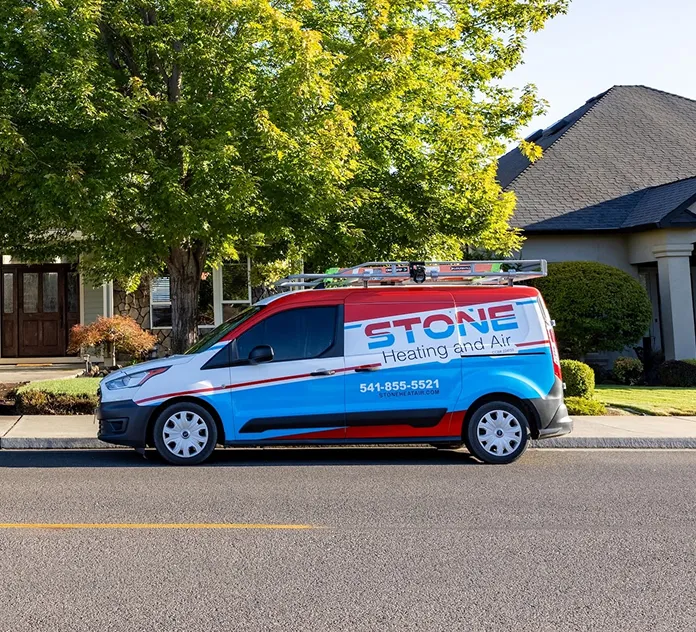
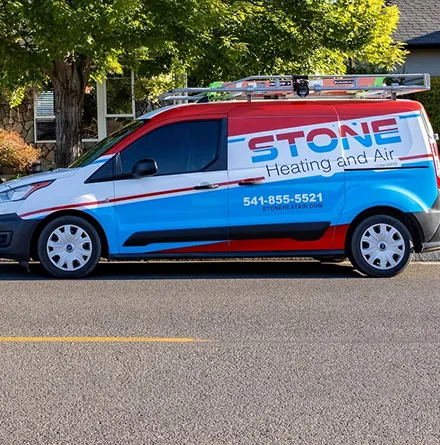
Upon arrival, the focus is on immediate diagnostics. Technicians arrive in vehicles stocked with common universal parts—such as capacitors, contactors, ignition modules, and refrigerant—to increase the likelihood of a repair being completed in a single visit. The scope of emergency service covers the entire HVAC system, including furnaces, heat pumps, air conditioners, and ductless mini-splits.
The service timeline operates on a rapid response model. Once a technician is on-site, they perform a triage of the system. This involves identifying the root cause of the failure, determining if the system is safe to operate, and presenting immediate repair options. If a specific proprietary part is required that is not on the truck, the technician will take steps to temporarily stabilize the home’s temperature if possible, or expedite part delivery through local supply houses.
Common Critical HVAC Failures We Resolve
Understanding what constitutes an HVAC emergency helps in making the decision to call. While a noisy fan is a nuisance, certain failures require immediate professional intervention to prevent property damage or health hazards.
Electrical Component Failure
Modern HVAC systems rely heavily on complex electrical circuits. A failure here often renders the entire system useless.
- Blown Capacitors: These components store energy to start the compressor and fan motors. When they fail, motors overheat or fail to start.
- Contactor Issues: Pitted or fused contactors can cause the outdoor unit to run continuously or not at all, leading to compressor burnout.
- Circuit Board Malfunctions: If the control board fails, the thermostat cannot communicate with the furnace or AC, resulting in total system silence.
Airflow and Refrigerant Issues
Proper airflow and refrigerant levels are vital for heat exchange.
- Frozen Evaporator Coils: This usually indicates low airflow or a refrigerant leak. Continued operation can slug the compressor with liquid refrigerant, causing permanent damage.
- Refrigerant Leaks: Low refrigerant levels drop the system's efficiency and cooling capacity. Finding and brazing the leak is essential before recharging the system.
- Blower Motor Failure: If the indoor fan stops, air cannot circulate. In winter, this can cause the furnace heat exchanger to overheat; in summer, it causes the AC coil to freeze.
Ignition and Combustion Safety
For gas furnaces, safety is the paramount concern.
- Failed Igniters: If the hot surface igniter cracks, the gas will not light.
- Flame Sensor Errors: If the sensor is dirty or broken, the furnace will shut down the gas valve immediately as a safety precaution.
- Carbon Monoxide Risks: Cracked heat exchangers or blocked flue pipes can vent dangerous gases into the living space. Technicians use combustion analyzers to detect these invisible threats immediately.
The Process: How We Restore Comfort
Navigating an HVAC emergency follows a strict protocol designed to minimize downtime and maximize safety. We utilize a streamlined workflow to ensure nothing is missed during the chaotic nature of a breakdown.
- Initial Dispatch and Assessment: The process begins when the dispatch team routes the nearest available technician to your home. Upon arrival, the technician assesses the immediate environment for safety hazards, such as gas leaks or electrical shorts.
- System Diagnostics: Using advanced multimeters, manometers, and temperature probes, the technician tests the system against manufacturer specifications. This isolates the exact component failure rather than guessing.
- Clear Explanation and Authorization: Before any work begins, you receive a clear explanation of the problem, the required repair, and the associated costs. You authorize the work, ensuring there are no surprises.
- Execution of Repair: The technician performs the repair, replacing damaged components and testing the system's operation. This includes checking amp draws, temperature splits, and static pressure to ensure the fix is stable.
- Final System Check: The unit is run through a full cycle to verify it satisfies the thermostat call and shuts down properly.
Repair vs. Replacement: Making the Right Decision
In an emergency situation, homeowners are often faced with a difficult choice: repair the aging unit or replace it entirely. This decision should be based on data and financial logic, not just the urgency of the moment. We help you evaluate the viability of a repair based on the age and condition of your equipment.
The 50% Rule
A common industry standard is the 50% rule. If the cost of the repair approaches or exceeds 50% of the value of a new system, replacement is generally the wiser financial move. Investing heavy capital into a degrading asset often leads to diminishing returns.
Age and Efficiency Factors
HVAC systems generally last between 12 and 15 years. If your unit is nearing the end of this lifespan, a major component failure (like a compressor or heat exchanger) signals the end of its useful life.
- R-22 Refrigerant: If your older AC unit uses R-22 (Freon), repairs involving refrigerant are prohibitively expensive due to environmental phase-outs. Replacement with a modern R-410A or R-454B system is usually the only logical option.
- Efficiency Gains: Modern systems offer significantly higher SEER2 and AFUE ratings. Replacing a 15-year-old system can result in immediate utility bill reductions, which helps offset the installation cost.
- Warranty Coverage: New systems come with fresh manufacturer warranties (often 10 years on parts), providing peace of mind that a repair on an old unit cannot offer.
Local Considerations for Grants Pass Homeowners
Operating an HVAC system in Southern Oregon presents specific challenges due to the regional climate. The equipment here must be versatile enough to handle hot, dry summers and damp, chilly winters.
Coping with High Summer Temperatures
During the peak of summer, temperatures in Grants Pass frequently reach the upper 90s. This places immense strain on air conditioning capacitors and compressors. Systems that have not been maintained often fail during the first heatwave of the season because they cannot shed heat fast enough. We ensure replacement parts are rated for high-ambient temperatures to prevent recurring failures.
Managing Winter Humidity and Heating
Winters in the region are characterized by high humidity and rain. Heat pumps, a common heating solution here, rely on a "defrost cycle" to melt ice off the outdoor coil. If the defrost control board or sensors fail, the outdoor unit can turn into a block of ice, stopping all heat production. Furthermore, because of the dampness, corrosion on electrical contacts is a frequent cause of failure in older units.
Permitting and Regulations
When an emergency requires a full system replacement, local building codes must be followed. This includes proper sizing of the unit (Manual J load calculation), verifying ductwork integrity, and adhering to electrical safety standards. Stone Heating and Air ensures that all emergency installations meet local code requirements, including permit filing and final inspections. This protects your home’s value and ensures insurance compliance.
Why Professional Emergency Service Matters
Attempting DIY repairs during an HVAC crisis often leads to further damage or safety risks. High-voltage electricity and combustible gases require certified handling. Professional service ensures that the root cause is addressed, not just the symptom.
- Access to Supply Houses: Professionals have relationships with local distributors, allowing them to source hard-to-find parts outside of standard retail hours.
- Proper Tooling: Diagnosing a complex inverter board or a variable-speed motor requires proprietary diagnostic tools that generic handymen do not possess.
- Refrigerant Handling: Handling refrigerant requires EPA Section 608 certification. Illegal venting or improper charging can damage the compressor and violates environmental laws.
- Safety Guarantees: Professional repair includes safety checks for carbon monoxide, gas leaks, and electrical grounding. This ensures your home is safe for occupancy immediately after the repair.
Restoring Your Home Environment
An HVAC emergency disrupts your life, but the solution should be straightforward. Our focus is on technical precision and rapid deployment. We utilize a fleet of fully stocked vehicles and a team of certified technicians to address breakdowns efficiently. Whether it is a furnace failure in the dead of winter or an AC burnout during a heatwave, the goal remains the same: restoring your indoor climate with durable, code-compliant repairs.
When your system fails, you need a partner who understands the urgency and has the technical capability to resolve the issue immediately. We provide the expertise required to diagnose, repair, or replace your system, ensuring your comfort is restored without unnecessary delays.
Do not let a broken HVAC system compromise your safety or comfort. Contact us immediately to schedule your emergency service and get a technician on the way.
- Book Expert Service Or Contact Us