

When Your Heating and Cooling System Stops Delivering Consistent Comfort
If your HVAC is failing to keep up with the Grants Pass climate's demands, you are likely facing uncomfortable indoor temperatures during sweltering summer afternoons or damp, chilly winter nights. Contact us immediately to schedule an urgent diagnostic or to inquire about our available financing options for system replacements.
You need a solution that restores safety and comfort to your home without unnecessary delays or vague promises.
- Access immediate emergency service protocols designed to address critical system failures around the clock.
- Secure expert diagnostics and repairs backed by a 100% satisfaction guarantee on all workmanship.
- Receive transparent, upfront pricing structures with absolutely no hidden fees or surprise charges.
All services are fully licensed, bonded, and insured—financing options are available to ensure you get the system you need.
Comprehensive HVAC Solutions Available Immediately
When you request service, you are looking for more than just a quick patch; you need a comprehensive resolution that ensures your system functions correctly for the long haul. In Grants Pass, where the weather can shift from heavy rain to high heat depending on the season, your equipment must be calibrated to handle diverse atmospheric loads. Stone Heating and Air provides a full scope of mechanical services designed to address every aspect of your climate control system.
Diagnostic and Repair Capabilities
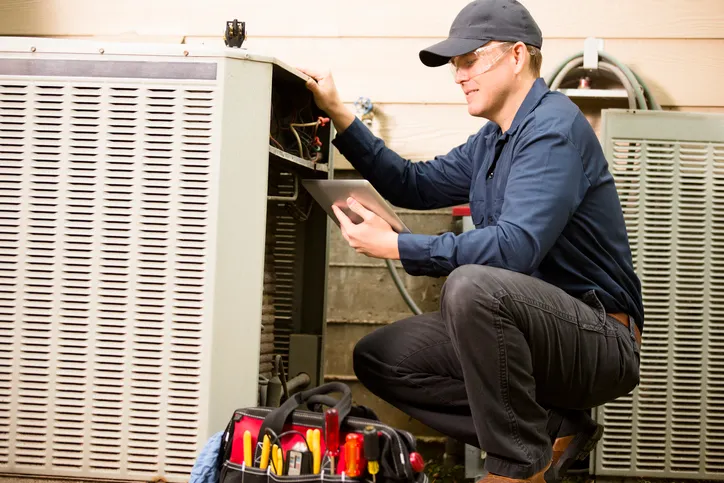
The immediate focus is identifying exactly why your system is underperforming. Technicians arrive equipped to test every electrical and mechanical component of your HVAC unit. This includes testing the refrigerant levels in your air conditioner, inspecting the ignition system in your furnace, and verifying the integrity of your heat exchanger. If your system is short-cycling, making unusual noises, or blowing lukewarm air, a thorough diagnostic process pinpoints the root cause.
- Technicians inspect the blower motor and fan belt for signs of wear or misalignment that reduce airflow.
- Electrical connections are tightened and tested to prevent intermittent power failures or fire hazards.
- Thermostat calibration is verified to ensure the temperature reading on your wall matches the actual temperature in the room.
- Condensate drain lines are cleared to prevent water damage and humidity issues within the home.
- Safety controls are tested to ensure the unit shuts down properly in the event of an emergency.
System Maintenance and Tune-Ups
Preventative care is the most effective way to avoid mid-season breakdowns. A proper tune-up goes beyond a simple filter change. It involves a deep cleaning of the condenser coils to maximize heat transfer and a lubrication of all moving parts to reduce friction. In the local area, where pollen and dust can accumulate quickly, keeping these components clean is vital for maintaining energy efficiency.
Full System Installations and Retrofits
There are times when a repair is no longer the most economical or practical option. If a new installation is required, the service includes a complete Manual J load calculation. This ensures the new unit is perfectly sized for your specific square footage, insulation levels, and window orientation. An oversized unit will cycle on and off too frequently, leading to premature wear, while an undersized unit will run constantly without ever reaching the desired temperature.
The Process of Restoring Your Indoor Climate
Understanding what happens after you book an appointment helps eliminate the stress associated with home repairs. The workflow is designed to be transparent, efficient, and respectful of your property.
- First, a licensed technician arrives at your property to conduct a physical inspection of the unit. This involves accessing the indoor air handler, the outdoor condenser, and the thermostat.
- Next, the technician utilizes specialized diagnostic tools, such as multimeters and pressure gauges, to gather data on how the system is performing against manufacturer specifications.
- Then, you are presented with a detailed report of the findings. This explanation includes the specific part that has failed, the cause of the failure, and the recommended course of action.
- Following the assessment, you receive a flat-rate quote for the repair. This price is guaranteed before any work begins, so the final invoice matches the initial figure.
- Once you approve the work, the technician proceeds with the repair or installation using OEM (Original Equipment Manufacturer) parts whenever possible to ensure compatibility and longevity.
- Finally, the system is tested through a full operational cycle. The technician verifies that the airflow is correct, the temperature differential is within range, and the workspace is left clean and debris-free.
Deciding When to Replace Versus Repair
One of the most difficult decisions homeowners face is determining whether to pour more money into an aging system or invest in a modern, energy-efficient replacement. While repairs are often cheaper upfront, they can become a financial drain if the system is nearing the end of its useful life.
The 50% Rule
A common industry standard for making this decision is the 50% rule. If the cost of the necessary repair approaches 50% of the value of a new system, replacement is generally the wiser financial move. Investing half the cost of a new unit into an old machine that may break down again in six months is rarely cost-effective.
Age of the Equipment
HVAC systems typically last between 10 and 15 years depending on maintenance history and usage. If your heat pump or furnace is over 12 years old and requires a major repair—such as a compressor or heat exchanger replacement—it is usually time to upgrade. Newer systems offer significantly higher SEER (Seasonal Energy Efficiency Ratio) ratings, which can lower monthly utility bills enough to offset the installation cost over time.
Frequency of Breakdowns
If you have required multiple service calls in the last two years, your system is likely becoming unreliable. Frequent breakdowns indicate that major components are failing in succession. Continuing to repair a "lemon" results in higher cumulative costs than a one-time investment in a new system with a factory warranty.
Comfort and Air Quality Issues
Old systems often struggle to maintain consistent temperatures room-to-room or control humidity levels effectively. If your home has hot and cold spots, or if the air feels constantly stuffy despite the AC running, the equipment may have lost the capacity to circulate air effectively. Modern systems often come with variable-speed blowers that run longer at lower speeds, providing superior dehumidification and air filtration.
Navigating Local Requirements and Environmental Factors
Operating an HVAC system in Southern Oregon requires specific attention to regional factors that do not apply elsewhere. The distinct climate and local building codes influence how systems should be installed and maintained. Stone Heating and Air ensures all work complies with these specific local demands.
Climate-Specific System Configurations
The region experiences a Mediterranean climate characterized by hot, dry summers and cool, wet winters. This variation makes Heat Pumps an incredibly popular and efficient choice for the area. A heat pump acts as an air conditioner in the summer and reverses the process to provide heat in the winter. However, because winter temperatures can occasionally drop near freezing, systems must be equipped with appropriate auxiliary heating strips or "dual fuel" setups (combining a heat pump with a gas furnace) to handle cold snaps efficiently.
Handling High Humidity and Mold Risks
The rainy winter season can introduce significant moisture into homes. HVAC systems must be properly sized to remove humidity effectively. If a system is too large, it will cool the house quickly but shut off before it has removed the moisture, leading to a "clammy" feeling and potential mold growth in ductwork. Ensuring proper drainage and perhaps integrating whole-home dehumidifiers is often necessary for optimal indoor air quality in this region.
Permitting and Code Compliance
In Josephine County, replacing an HVAC system generally requires a mechanical permit. This ensures that the installation meets safety standards regarding gas line connections, electrical wiring, and exhaust venting. Professional contractors handle the permit application and inspection process on your behalf.
- Compliance ensures that your home insurance policy remains valid in the event of a system-related incident.
- Documented permits are crucial when selling a home, as inspectors will verify that major mechanical upgrades were performed legally.
- Adherence to code guarantees that venting for gas furnaces is routed correctly to prevent carbon monoxide buildup.
Utility Provider Rebates and Incentives
Local utility providers often offer rebates for upgrading to high-efficiency equipment. Navigating the paperwork for these incentives can be complex. Professional services often include assistance in identifying which heat pumps or air conditioners qualify for current energy rebates, potentially saving you hundreds or thousands of dollars on the installation.
The Technical Edge in Professional Service
While DIY solutions exist for minor home repairs, HVAC work involves high-voltage electricity, combustible gases, and high-pressure refrigerants. Professional execution is not just about convenience; it is about safety and efficiency.
Advanced Diagnostics
Modern HVAC equipment is driven by complex circuit boards and sensors. Professional technicians utilize advanced diagnostic computers to read fault codes and measure system pressures with precision. This eliminates guesswork. A professional does not just replace a part; they verify that the new part is receiving the correct voltage and that the system pressure is balanced to prevent future failures.
Refrigerant Handling
Handling refrigerant requires EPA certification. Venting refrigerant into the atmosphere is illegal and harmful to the environment. Professionals use recovery machines to capture old refrigerant and scales to weigh in the exact amount needed for the new system. An incorrect refrigerant charge—even by a few ounces—can drastically reduce efficiency and damage the compressor.
Airflow Optimization
The ductwork is the respiratory system of your home. If the ducts are leaking, undersized, or poorly designed, even the most expensive furnace will fail to heat your home comfortably. Professionals assess static pressure within the ducts to ensure the blower motor is not being overworked. They seal leaks and modify transitions to ensure air flows freely to every room.
Warranty Protection
Most manufacturer warranties are contingent upon professional installation and regular maintenance by a licensed contractor. Attempting repairs yourself or hiring unlicensed help can void the warranty, leaving you responsible for the full cost of future parts replacements. Professional service ensures that your warranty remains intact and that you are protected against manufacturing defects.
Secure Your Comfort and Efficiency Today
Waiting for a total system failure leads to rushed decisions and uncomfortable days without climate control. Whether you are dealing with a noisy furnace, a frozen AC coil, or simply an old system that drives up energy bills, immediate professional intervention is the only way to restore balance to your home environment.
Do not let a manageable repair turn into a catastrophic breakdown. Secure a system that operates efficiently, safely, and reliably through every season.
Contact us now to schedule your comprehensive HVAC service or to receive a free estimate on a new system installation.
- Book Expert Service Or Contact Us