

Restore Your Home’s Warmth Without Delay
Facing sudden cold inside your home can be more than inconvenient; it can be downright harmful to your property and your family's health. When your heating system fails during a chilly Talent winter, you need a solution that restores safety and comfort immediately. Call us now to schedule your assessment or inquire about our flexible financing options to get your heat running again.
Stone Heating and Air specializes in high-efficiency heating installations that are designed to withstand the specific climate challenges of the region. We do not just swap out boxes; we engineer comfort solutions that lower utility bills and provide consistent warmth.
- Speedy response and diagnosis within 24 hours.
- Expert installation ensures lasting warmth and efficiency.
- Flexible financing options to make comfort affordable.
All installations are fully licensed, with extended warranties available, and convenient financing options to ensure you never have to choose between budget and safety.
What to Expect From Your Heating Installation Service
When you commit to a new heating system, you are investing in the next 15 to 20 years of your home’s infrastructure. The process begins with a comprehensive evaluation of your home’s thermal characteristics. A successful installation is not determined solely by the brand of the equipment but by how accurately that equipment is sized and matched to your specific living space — read our reviews from satisfied customers.
Modern heating systems are significantly more complex than units manufactured two decades ago. They utilize variable-speed blowers, modulating gas valves, and advanced communicating thermostats. Our service ensures that these components are not just installed but are calibrated to work in unison. We handle the removal of your existing unit, the safe disposal of hazardous materials, and the complete setup of the new system.
You receive a transparent timeline and a clear scope of work before any tools are lifted. This includes verifying the condition of existing ductwork, checking gas lines for integrity, and ensuring electrical circuits can handle the load of modern high-efficiency equipment. The goal is a turnkey experience where the only evidence of our presence is the consistent warmth in every room.
Analysis of Heating Load and Sizing
Skipping the load calculation is the most common cause of heating system dissatisfaction. An oversized unit will "short cycle," turning on and off rapidly, which wears out components and fails to dehumidify the air. An undersized unit will run continuously without ever reaching the set temperature. We perform precise calculations based on square footage, insulation levels, window quality, and the specific orientation of your home.
System Selection Based on Efficiency
We guide you through the selection of equipment that makes sense for your usage patterns. This includes discussing Annual Fuel Utilization Efficiency (AFUE) ratings for furnaces or Heating Seasonal Performance Factor (HSPF) for heat pumps. Higher ratings often mean lower monthly operational costs, but the return on investment depends on how long you plan to stay in the home and your current fuel sources.
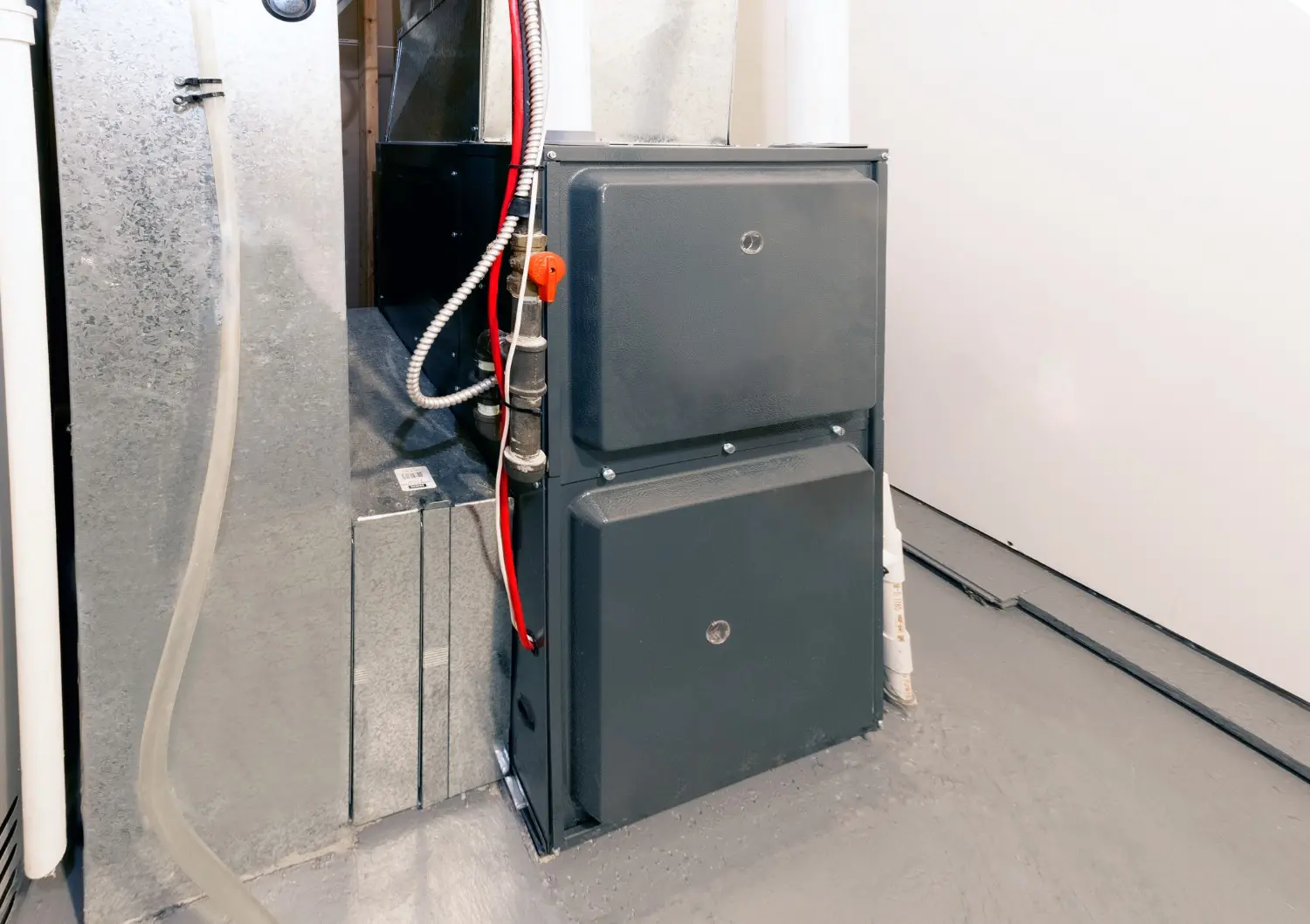
The Installation Process: Step-by-Step
A professional installation is a rigorous process involving multiple safety checks and precise mechanical work. We adhere to a strict protocol to ensure that every system meets manufacturer specifications and local building codes — view our gallery of completed jobs.
- Site Preparation and Protection: The workspace is prepared first to protect your flooring and personal property. Drop cloths are laid down, and the path to the mechanical room or installation site is cleared. Power and gas supplies to the existing unit are shut off and locked out to ensure safety during the transition.
- Removal and Disposal: The old heating unit is disconnected. This involves carefully cutting refrigerant lines (for heat pumps) or disconnecting gas flues. The old equipment is removed from the premises and disposed of according to environmental regulations. We also inspect the area beneath the old unit to identify any rot, mold, or structural issues that might have been hidden.
- Ductwork and Plenum Modification: New high-efficiency units often have different physical dimensions than older models. The supply and return plenums—the metal boxes that connect the heater to your ductwork—must be modified to create an airtight seal. This step is critical for preventing air leakage, which can account for significant energy loss.
- Equipment Placement and Connection: The new furnace or air handler is positioned and leveled. Vibration pads are often used to reduce noise transfer. Once in place, the flue pipes are connected to vent exhaust gases safely out of the home. For gas furnaces, the gas lines are reconnected and tested for leaks using electronic sniffers. Electrical connections are made, ensuring proper grounding and voltage.
- Commissioning and Testing: Simply turning the unit on is not enough. We perform a static pressure test to ensure airflow is unrestricted. We measure the temperature rise—the difference in air temperature between the return and supply—to verify the unit is firing correctly. Gas pressure is adjusted at the manifold to match manufacturer specs.
- Final Walkthrough: We demonstrate how to operate the new thermostat and how to change the filter. You will receive all warranty documentation and maintenance guidelines before we consider the job complete.
When to Replace vs. Repair Your Heating System
Deciding between sinking money into a repair or investing in a new system is a financial calculation. While repairs are often the lower upfront cost, they can be more expensive over time if the unit is nearing the end of its lifecycle.
The 50% Investment Rule
A widely accepted guideline in the industry is the 50% rule. If the cost of the repair approaches 50% of the value of a new system, replacement is generally the wiser financial move. Investing half the cost of a new asset into an old, depreciating asset rarely yields a positive return, as other components are likely to fail soon.
Age and Reliability
Furnaces typically last 15 to 20 years, while heat pumps have a lifespan of 10 to 15 years. If your system is within this age range and requires a major component replacement—such as a heat exchanger, compressor, or blower motor—replacement is usually recommended. A new system resets the clock on warranties, providing peace of mind that an old unit cannot offer.
Efficiency and Monthly Costs
Older units often operate at 60% to 70% efficiency. This means for every dollar you spend on heating, 30 to 40 cents is wasted up the chimney. Modern units can reach efficiencies as high as 98%. If your heating bills have been steadily climbing despite consistent usage, the operational savings from a new unit can help offset the installation cost over time.
Frequency of Breakdowns
If you have required repairs more than twice in the last two years, your system has become unreliable. The inconvenience of breakdowns, especially during the peak cold of December or January, carries a value of its own. A new installation eliminates the "repair treadmill."
Local Considerations for Talent Homeowners
Installing a heater in Southern Oregon requires specific attention to regional factors. The climate and local regulations dictate certain installation practices that must be followed to ensure compliance and comfort.
Addressing Regional Climate Needs
While summers here are hot and dry, the winters can be mild but very wet, with the majority of rainfall occurring between December and February. This humidity can make the air feel colder than the thermometer indicates. Heating systems must be capable of not just warming the air but circulating it effectively to prevent stagnant, damp pockets in the home. Heat pumps are a particularly popular choice in this region due to their ability to handle the mild winter temperatures efficiently, but they must be equipped with proper defrost controls to handle the moisture.
Permits and Inspections
In Talent and the surrounding Jackson County area, changing a heating source usually requires a mechanical permit. This ensures that the installation meets current safety codes regarding gas piping, electrical wiring, and venting. Professional installers handle the permit application process and schedule the required county inspections. Attempting to install a unit without a permit can lead to fines and complications when selling the home in the future — check our FAQs for more details.
Utility Rebates and Incentives
Local utility providers often offer rebates for upgrading to high-efficiency equipment. These programs are designed to reduce the load on the electrical grid or gas infrastructure. To qualify, the equipment typically must meet specific efficiency tiers (SEER2, HSPF2, or AFUE ratings) and must be installed by a licensed contractor. We assist in identifying which rebates apply to your specific installation.
The Importance of Professional Execution
The most sophisticated heating equipment will underperform if installed incorrectly. Manufacturers state that a significant percentage of HVAC failures are due to improper installation rather than equipment defects.
- Safety Protocols: Heating systems involve high-voltage electricity, combustible gases (natural gas or propane), and the production of carbon monoxide. Professional technicians are trained to manage these risks. This includes verifying that exhaust venting is pitched correctly to prevent dangerous gases from back-drafting into the living space.
- Protecting Your Warranty: Most manufacturer warranties explicitly state that coverage is void if the equipment is not installed by a licensed HVAC professional. Stone Heating and Air ensures that your paperwork is in order so that if a part fails down the line, you are covered. DIY or handyman installations often leave homeowners with no recourse when something goes wrong.
- Optimizing Longevity: A system that is installed with the correct airflow and refrigerant charge runs under less stress. This reduces wear and tear on internal components like the compressor and heat exchanger. Professional execution extends the usable life of the system, maximizing your return on investment.
Ensuring Peak Performance Post-Installation
The installation is the beginning of the system's life, and its immediate performance sets the trajectory for its long-term efficiency. We take several steps to ensure the system is tuned for your specific home environment.
Thermostat Integration and Airflow
Modern heating is about more than an on/off switch. We configure smart thermostats to learn your schedule and adjust temperatures for energy savings when you are away. We also balance the registers in your home to ensure even heating. If one room is consistently colder than others, we adjust the dampers in the ductwork to redirect more airflow to that space.
Static Pressure and Filtration
High-efficiency systems require proper airflow to function. We test the static pressure to ensure your ductwork is not strangling the new unit. We also recommend the correct filtration levels. Using a filter that is too restrictive can damage the blower motor, while a filter that is too loose will allow dust to accumulate on internal coils. We provide guidance on the exact MERV rating suitable for your new equipment.
Secure Your Comfort With Expert Installation
A failing heater is an emergency that requires immediate, decisive action. Delaying replacement can lead to frozen pipes, increased health risks, and higher emergency repair costs. You need a partner who understands the urgency of the situation and has the technical capability to deploy a solution rapidly.
We provide the expertise, the equipment, and the manpower to resolve your heating issues permanently. From the initial load calculation to the final safety check, every step is managed with precision. Do not settle for temporary fixes or unverified contractors. Click below to schedule your consultation and restore reliable heat to your home today.
- Book Expert Service Or Contact Us