

Immediate Commercial HVAC Repair & Replacement
Facing unexpected HVAC breakdowns halts your business operations instantly, affecting employee productivity and customer comfort. Swift, reliable repair and replacement solutions are just a call away; contact us immediately to dispatch a technician or discuss financing options.
Commercial systems in Talent do not fail on a convenient schedule, and waiting days for a diagnostic visit is rarely an option for operational facilities. When a rooftop unit fails or a split system stops regulating temperature, you need a partner who understands the urgency of commercial climate control. Stone Heating and Air provides rapid response times to diagnose electrical failures, mechanical breakdowns, or airflow restrictions that threaten your daily revenue.
- Same-day service ensures your business isn’t left in the cold (or heat).
- 24/7 emergency services to handle urgent HVAC failures.
- Efficient, sustainable solutions with top-rated local technicians.
- All services backed by industry-standard warranties and financing options.
What You Get Today: Commercial Service Scope
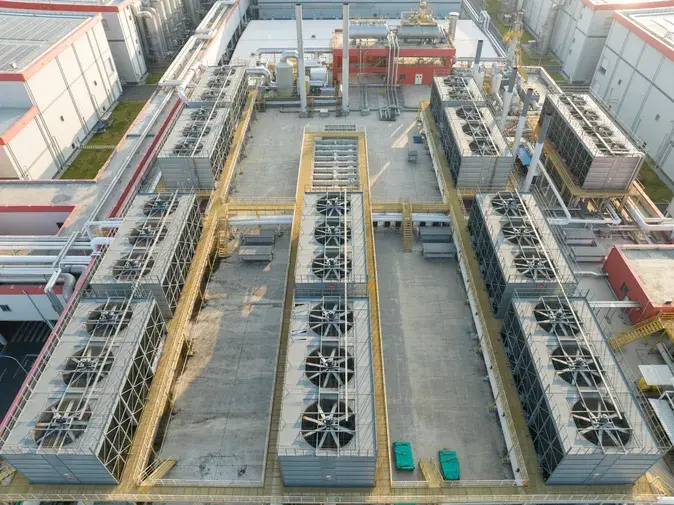
When you request commercial service, the objective is to minimize downtime and restore optimal environmental conditions immediately. The initial phase involves a comprehensive diagnostic assessment. Unlike residential systems, commercial HVAC setups involve complex control systems, three-phase power, and often integrated ventilation strategies. A technician arrives equipped to handle packaged rooftop units (RTUs), commercial split systems, and variable refrigerant flow (VRF) systems common in the area.
Upon arrival, the focus is on isolating the fault. This includes testing compressor amperage, checking refrigerant charges for leaks using electronic detectors, and verifying that automation controls are communicating correctly with the mechanical equipment. You receive a clear, non-technical explanation of the failure point, a breakdown of the required parts, and a timeline for repair. If the system requires a specialized part that must be ordered, temporary cooling or heating strategies are discussed to keep your doors open.
For businesses considering replacement, the scope expands to include load calculation and logistical planning. Commercial replacement is not a simple swap; it requires evaluating whether the current ductwork supports modern high-efficiency units and determining if the physical footprint of the new unit matches the existing roof curb or slab. The goal is a seamless transition that adheres to current building standards without requiring extensive structural modification.
How The Repair and Replacement Process Works
Navigating a commercial HVAC project requires strict adherence to safety protocols and project management. Whether it's a critical repair or a full system change-out, the process is designed to interfere as little as possible with your daily operations.
- Initial Site Assessment and Safety Check: Technicians begin by securing the electrical disconnects and establishing a safety perimeter. For rooftop units, safe access is established. The team evaluates the entire system, not just the broken component, to ensure that a repair in one area won’t cause a failure in another due to system stress.
- Detailed Diagnostics and Load Calculation: For repairs, specific electrical and mechanical tests pinpoint the issue. For replacements, a Manual N load calculation (or commercial equivalent) is performed. This step is critical because placing a unit that is too large or too small leads to humidity issues and short-cycling, which drives up utility bills and shortens equipment life.
- Logistics and Equipment Mobilization: Commercial replacements often require crane services to lift heavy packaged units to the roof. This step is coordinated entirely by the service provider, including scheduling the lift, managing traffic if necessary, and ensuring the roof structure can support the weight of the new, often heavier, high-efficiency equipment.
- Installation and Integration: The old unit is disconnected and reclaimed according to EPA guidelines. The new system is set in place, and connections are made for gas, electric, and condensate lines. This phase also includes installing new economizers or integrating the system into an existing Building Management System (BMS).
- System Commissioning and Testing: Simply turning the unit on is not enough. Technicians perform a startup procedure that includes checking static pressure, adjusting blower speeds, and measuring temperature splits. This ensures the unit is operating at the manufacturer's specified efficiency rating before the job is marked complete.
When Replacement Beats Repair: A Decision Guide
Facility managers and business owners often face the difficult choice between authorizing a costly repair or investing in a new system. While repairing is often the faster, lower-cost short-term solution, it can be a financial drain on aging equipment. There are clear indicators when replacement becomes the mathematically superior option.
The 50% Rule
A standard industry benchmark is the 50% rule. If the cost of the repair approaches 50% of the value of the equipment (or the cost of a new unit), replacement is generally the smarter investment. This is particularly true if the equipment is out of warranty. Spending thousands on a compressor for a 15-year-old unit is rarely justifiable when that money could go toward a new system with a fresh warranty.
Frequency of Breakdowns
If your maintenance logs show repeated visits for different issues—a capacitor one month, a fan motor the next, followed by a refrigerant leak—the system has reached the end of its useful life. "Nickel and diming" repairs often exceed the monthly financing cost of a new, reliable unit. Stone Heating and Air technicians can provide a transparent cost-benefit analysis to help you visualize these long-term expenses. — read our blog for more examples.
Energy Efficiency and Technology Gaps
Commercial HVAC technology has advanced significantly in the last decade. Older units typically have much lower IEER (Integrated Energy Efficiency Ratio) ratings compared to modern systems. New units often feature variable-speed fans and multi-stage compressors that adjust output to match the building's load, rather than running at 100% capacity all the time. Replacing an old unit can often result in utility savings that cover a significant portion of the monthly payment for the new equipment.
Refrigerant Phase-Outs
If your current system utilizes R-22 refrigerant, repairs involving leaks are becoming exponentially expensive due to production bans. Modern systems use R-410A or newer, environmentally compliant refrigerants. Investing in an R-22 system is investing in obsolete technology that will eventually become unserviceable.
Local Considerations: Permits, Climate, and Utilities
Operating a commercial facility in the Talent area presents specific challenges that dictate how HVAC systems should be installed and maintained. The local climate features hot, dry summers and cold winters, creating a significant thermal load swing that systems must be designed to handle.
- Permitting and Code Compliance: Commercial HVAC work in this region triggers specific permitting requirements from local building departments. Replacing a rooftop unit is not just a mechanical task; it involves structural and electrical inspections to ensure code compliance. Adhering to these regulations prevents legal liabilities and ensures that insurance policies remain valid in the event of a building incident.
- Economizer Utilization: The local climate is ideal for the use of economizers. These devices use cool outdoor air to condition the building when the outside temperature is lower than the indoor setpoint, significantly reducing the load on the mechanical compressor. Properly calibrated economizers are a requirement in many local energy codes and are essential for reducing operational costs during the mild spring and fall months.
- Wildfire Smoke and Filtration: Given the regional tendency for wildfire smoke in late summer, commercial systems must be equipped with adequate filtration capabilities. Standard filters may not suffice to protect indoor air quality (IAQ) for employees and customers. Upgrading to higher MERV-rated filtration or installing dedicated outdoor air systems (DOAS) with heavy-duty scrubbers is a common necessity for businesses in the area to remain operational during poor air quality events.
- Utility Rebates and Incentives: Local utility providers and regional energy organizations often offer substantial rebates for upgrading to high-efficiency commercial equipment. These incentives can offset a portion of the capital expenditure. Navigating the paperwork for these rebates is part of the service provided, ensuring you capture every available financial benefit for your energy-efficient upgrades.
Proof of Expertise and Service Differentiators
Choosing the right contractor for commercial HVAC involves looking beyond the lowest bid. Commercial systems are capital assets; their installation and maintenance require a level of technical rigor that general residential handymen cannot provide.
Commercial-Grade Certification
Technicians working on your facility hold the necessary certifications to handle high-voltage electrical connections and large-volume refrigerant circuits. Compliance with EPA Section 608 for refrigerant handling is non-negotiable. This ensures that your business is not liable for environmental violations during the repair or replacement process.
Safety and Insurance
Commercial work often involves heights, heavy lifting, and high voltage. A reputable provider carries comprehensive liability insurance and workers' compensation coverage. This protects your business from liability should an accident occur on your property. Furthermore, adherence to OSHA safety standards regarding roof access and lockout/tagout procedures is strictly followed.
Dedicated Account Management
Commercial clients require consistent communication. You are not just a ticket number; you receive documentation of every service visit, including photos of the work performed, readings of system performance, and a clear log of maintenance history. This documentation is vital for warranty claims and for forecasting future capital expenditures for facility management.
Customized Maintenance Plans
Commercial equipment runs harder and longer than residential systems. Reactive maintenance is the most expensive way to run a facility. Proactive maintenance plans are customized to the specific equipment on-site—whether it’s checking belt tension on large blower motors, cleaning condenser coils to prevent high-head pressure, or verifying the calibration of thermostats. These tasks are scheduled to minimize disruption to your business hours.
Reliability in your heating and cooling systems translates directly to reliability in your business operations. Whether you are facing an immediate crisis with a down unit or planning a strategic replacement to lower overhead costs, professional intervention is required to secure the best outcome. Stone Heating and Air is ready to restore your environment and secure your comfort.
Take Control of Your Building’s Comfort—Starting Today
When your HVAC system fails, every minute counts. Don’t let downtime disrupt productivity, drive customers away, or put your facility at risk. Stone Heating and Air is ready to respond with precision, speed, and proven commercial expertise. Whether you need emergency repair, a strategic replacement, or guidance on energy-efficient upgrades, our team delivers solutions engineered for reliability and long-term value. Reach out today to schedule immediate service, request a detailed estimate, or explore financing options designed for your budget. Your comfort, continuity, and operational success start with Stone Heating and Air—contact us now.
- Book Expert Service Or Contact Us