

Experiencing Unreliable Home Temperatures?
As the seasons change in Talent, maintaining a consistent and comfortable home environment can become increasingly challenging. If your current heating or cooling system fails to keep up with the wet winters or dry, warm summers characteristic of Oregon, it is time to secure a permanent solution. Contact us today to discuss flexible financing options or to schedule an on-site evaluation of your home’s thermal needs.
Homeowners frequently struggle with uneven heating, rising energy bills, or systems that simply refuse to turn on when needed most. These issues often stem from aging equipment that has lost efficiency or was never properly sized for the home in the first place. Resolving these temperature fluctuations requires more than a quick patch; it demands a professionally installed system designed to handle specific regional climate loads.
- Same-day service availability to address your heating and cooling needs without delay.
- Transparent, flat-rate pricing provided through free, no-obligation quotes before work begins.
- Energy-efficient system upgrades that are eligible for local rebates, reducing long-term operational costs.
All installations performed by Stone Heating and Air are fully licensed, insured, and backed by a comprehensive labor and equipment warranty for your peace of mind.
What You Get With Professional Installation
Investing in a new HVAC system is a significant decision that impacts your home's comfort, safety, and energy consumption for the next 15 to 20 years. A professional installation goes beyond simply swapping out a box. It involves a holistic approach to air management, ensuring that the new unit communicates correctly with your thermostat, ductwork, and the specific layout of your property in Talent.
When you authorize a new installation, you receive a complete system overhaul designed to maximize efficiency. This includes a thorough assessment of your home’s "envelope"—windows, insulation, and square footage—to determine the exact heating and cooling load required. This calculation, often referred to as a Manual J load calculation, ensures the unit is neither too large (which causes short-cycling and humidity issues) nor too small (which leads to constant running and wear).
The scope of a standard installation generally includes:
- Site Preparation and Protection: Technicians lay down drop cloths and wear protective shoe covers to ensure your home remains clean throughout the project.
- Existing System Removal: Safe disconnection of gas lines, electrical wiring, and refrigerant lines, followed by the environmentally responsible disposal of the old unit.
- Ductwork Inspection and Modification: Assessing the air distribution system to identify leaks or restrictions that could throttle the performance of the new high-efficiency equipment.
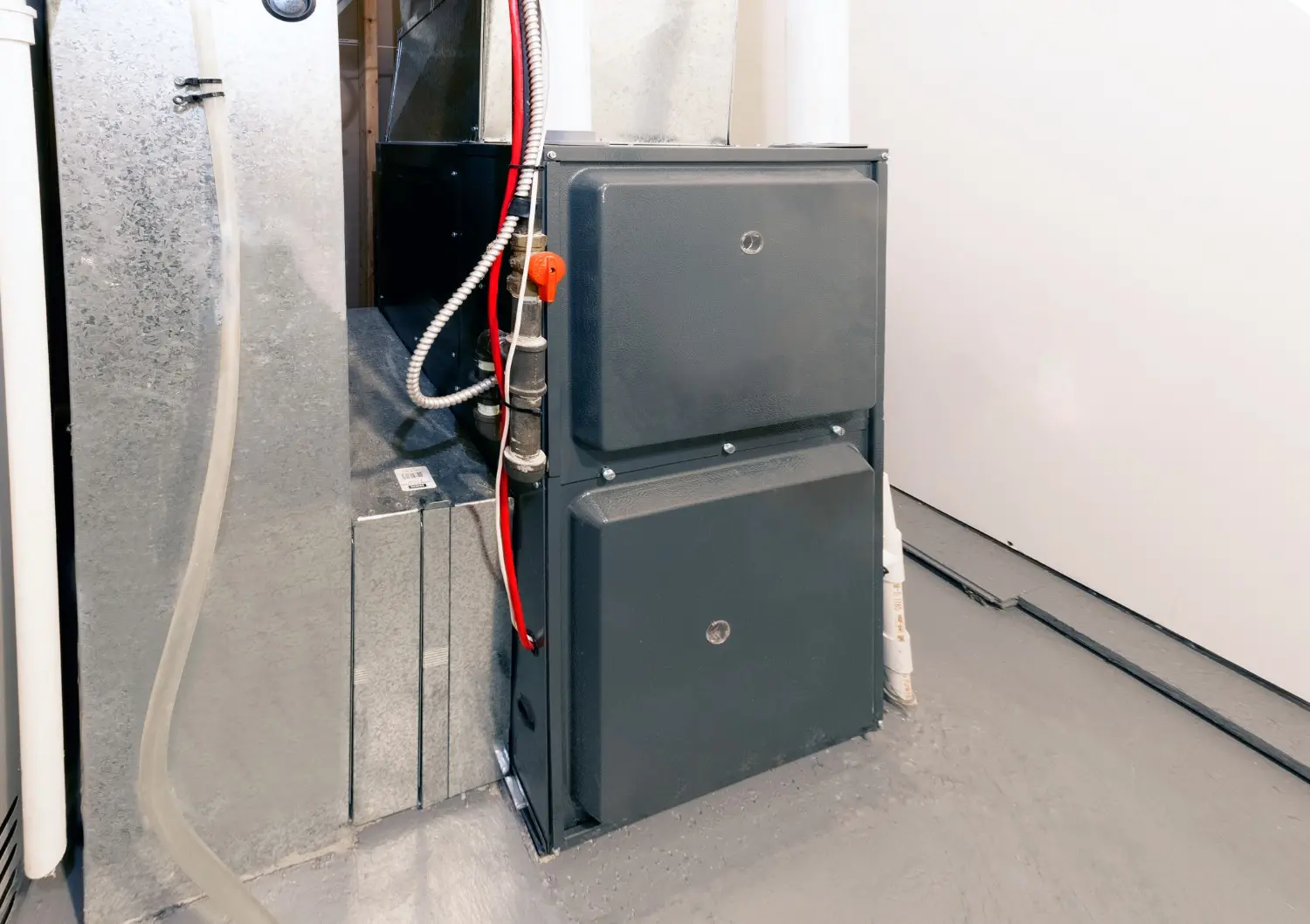
- Equipment Placement and leveling: Setting the condenser or furnace on a stable, level pad to prevent vibration noise and premature wear on internal components.
- Refrigerant Charging: Precise measuring of refrigerant levels according to manufacturer specifications to ensure optimal heat transfer.
- Electrical Safety Checks: Verifying that voltage and amperage draws match the equipment ratings to prevent fire hazards or breaker trips.
Modern equipment options have advanced significantly. You gain access to variable-speed motors that adjust airflow incrementally, maintaining a constant temperature within a fraction of a degree. This technology eliminates the "blast of cold air" associated with older, single-stage systems and provides superior dehumidification, which is essential during the damper months in the Pacific Northwest.
How HVAC Installation or Replacement Works
Understanding the installation process helps alleviate anxiety about the work being done in your home. A structured workflow ensures that every safety protocol is followed and that the system is commissioned correctly for maximum longevity. The process is designed to be minimally invasive while delivering maximum performance improvements.
The timeline for a typical installation varies based on complexity, but most residential projects are completed within a single day. The focus remains on accuracy and adherence to code requirements.
- Initial Consultation and Sizing: The process begins with a technician visiting the property to measure the space and discuss comfort goals. This is where decisions regarding fuel source (gas vs. electric heat pump), efficiency ratings (SEER2 and HSPF2), and zoning requirements are made.
- Safe Removal of Old Equipment: Before the new unit arrives, the installation team disconnects the existing power and fuel supplies. If an air conditioner or heat pump is being replaced, the refrigerant is pumped down and recovered into approved cylinders to prevent atmospheric venting, complying with EPA regulations.
- System Positioning: The new indoor and outdoor units are positioned. For outdoor units, this involves ensuring proper clearance for airflow and keeping the unit off the ground to avoid snow or debris accumulation. For indoor units, it involves securing the handler or furnace to minimize vibration.
- Connection of Critical Systems: Technicians braze copper refrigerant lines using nitrogen purging to prevent oxidation inside the pipes. High-voltage electrical wiring is connected, and low-voltage control wires are run to the thermostat. If it is a gas furnace, the flue venting is installed to ensure carbon monoxide is safely exhausted outside.
- Commissioning and Start-Up: Once physical connections are made, the system is not just turned on; it is commissioned. This involves checking static pressure in the ducts, measuring temperature rise/drop across the coil, and verifying that the thermostat controls all stages of heating and cooling correctly.
- Final Walkthrough: The lead installer demonstrates how to operate the new thermostat, how to change the filter, and explains the maintenance requirements to keep the warranty valid.
When Replacement Beats Repair
Determining whether to repair an aging unit or invest in a replacement is a common dilemma for homeowners in Talent. While repairs can solve immediate breakdowns, they often serve as temporary bandages on a failing system. There are specific technical and financial thresholds where replacement becomes the only logical choice to avoid throwing good money after bad.
The "50% Rule" is a standard industry metric: if the cost of the repair approaches 50% of the value of a new system, replacement is financially superior. However, beyond immediate repair costs, other factors indicate that a system has reached the end of its service life.
- Age of the Equipment: Most heat pumps and air conditioners have a lifespan of 10 to 15 years, while gas furnaces may last 15 to 20 years. If your equipment falls within or exceeds this range, major component failures (like compressors or heat exchangers) are imminent.
- Rising Energy Bills: As components wear, motors create more friction, and coils foul, requiring more electricity or gas to produce the same amount of conditioning. A sudden spike in utility costs without a change in usage habits suggests the system efficiency has degraded significantly.
- Frequent Breakdowns: If you have required multiple service calls in the last two years, the system is becoming unreliable. The cumulative cost of service fees and parts often exceeds the monthly financing cost of a new, warrantied unit.
- Comfort Issues: Hot and cold spots, excessive humidity, or loud noises during operation indicate that the system can no longer distribute air effectively.
- R-22 Refrigerant: If your older AC unit relies on R-22 (Freon), it is obsolete. R-22 production has been banned, making refills astronomically expensive. A refrigerant leak in an R-22 system is an automatic trigger for replacement.
- Safety Concerns: For gas furnaces, cracks in the heat exchanger can leak carbon monoxide into the living space. This is a non-negotiable safety hazard that requires immediate unit replacement.
Choosing to replace a unit proactively allows you to select the installation date rather than waiting for a catastrophic failure during a heat wave or a winter freeze, where availability may be limited.
Local Compliance and Rebate Opportunities
Operating in Talent and the surrounding Oregon region requires strict adherence to local building codes and an understanding of state-specific energy incentives. HVAC installations are regulated activities that require proper permitting to ensure the safety of the occupants and the structural integrity of the home.
Ignoring permit requirements can lead to complications when selling a home or insurance claim denials in the event of an accident. Professional installers manage the administrative burden of pulling permits and scheduling required county or city inspections. This validates that gas lines are pressure-tested, electrical circuits are grounded, and venting meets clearance standards.
Beyond compliance, the regulatory landscape offers financial benefits for homeowners who choose high-efficiency systems.
- Federal Tax Credits: Under the Inflation Reduction Act, homeowners may be eligible for significant tax credits when installing high-efficiency heat pumps, biomass stoves, or high-efficiency gas furnaces. These credits can offset a percentage of the project cost directly on your tax return.
- Local Utility Rebates: Many local utility providers offer cash rebates for upgrading to energy-efficient equipment. These programs often require the equipment to meet specific SEER2 (Seasonal Energy Efficiency Ratio) or HSPF2 (Heating Seasonal Performance Factor) benchmarks.
- State Incentives: Oregon frequently has programs aimed at reducing carbon footprints, offering incentives for switching from fossil fuel-based heating to electric heat pumps.
Navigating these programs can be complex. A qualified installation team will provide the necessary AHRI (Air-Conditioning, Heating, and Refrigeration Institute) certificates and invoices required to file for these rebates. They ensure the equipment selected meets the stringent criteria set by local energy trusts and federal programs.
Furthermore, local climate considerations dictate the type of equipment that passes code. For example, in regions with specific noise ordinances, the decibel rating of the outdoor condenser matters. In areas prone to wildfires, the filtration capability of the system becomes a compliance and safety issue for indoor air quality.
Our Proof & Why Choose Us
Selecting the right contractor is as important as selecting the right brand of equipment. The manufacturing quality of a furnace or heat pump is irrelevant if the installation is botched. A poor installation can reduce efficiency by up to 30%, shorten the equipment lifespan, and void manufacturer warranties — see our client reviews for our success stories.
Expertise is demonstrated through rigorous adherence to industry standards and a commitment to ongoing technical training. Stone Heating and Air ensures that every technician is versed in the latest building codes and manufacturer best practices.
- Licensed and Bonded: We hold all necessary state and local licenses to perform HVAC work legally and safely. Our insurance coverage protects your property throughout the installation process.
- Technical Certifications: Our team stays updated on the latest heat pump technologies, inverter-driven compressors, and smart thermostat integrations. We do not guess; we calculate and measure.
- Comprehensive Warranties: We stand behind our craftsmanship. In addition to the manufacturer’s warranty on parts, we provide warranties on our labor. If an issue arises related to the installation, it is resolved promptly and without hidden fees.
- Local Experience: We understand the specific thermal dynamics of homes in this region. We know how to mitigate the effects of damp winters on heat pump defrost cycles and how to size cooling for dry summers.
- Detailed Proposals: You will never face surprise charges. Our quotes detail exactly what is included—from the thermostat to the flue pipe—so you can make an informed decision based on value, not just the lowest sticker price.
We prioritize communication and respect for your home. From the moment the trucks arrive to the final explanation of your new thermostat, the goal is a seamless, stress-free experience that restores comfort to your living space immediately.
Secure your home’s comfort and efficiency for years to come. Do not let an unreliable system dictate your quality of life or drain your bank account with inefficient operation.
Restore Comfort with Confidence — Choose Stone Heating and Air
Take control of your home’s comfort and energy efficiency with a trusted team dedicated to delivering long-lasting results. At Stone Heating and Air, we combine certified expertise, transparent pricing, and top-tier equipment to ensure your installation is done right the first time. Whether you're battling inconsistent temperatures, rising utility costs, or an aging system on its last leg, we provide tailored solutions designed for Oregon’s unique climate. Don’t wait for a breakdown to disrupt your routine — secure your free installation estimate today and experience the reliability, comfort, and peace of mind your home deserves.
- Book Expert Service Or Contact Us