

Is Your HVAC System Not Keeping Up?
Dealing with a malfunctioning HVAC system can be stressful, especially when extreme weather hits the Rogue Valley and your home temperature becomes unmanageable. If your furnace is blowing cold air or your air conditioner refuses to turn on, you need a solution that restores safety and comfort immediately. Contact us today to schedule a diagnostic visit or inquire about available financing options for system upgrades.
Residents in Talent and the surrounding areas rely on functioning climate control to handle wet winters and hot, dry summers. We prioritize getting your system back online with minimal disruption to your daily life.
- 24/7 Emergency Services: Urgent heating and cooling issues are addressed promptly, day or night.
- Same-Day Repairs: Technicians arrive fully stocked to attempt a fix on the initial visit whenever possible.
- Transparent Pricing: You receive clear, upfront estimates for repairs or replacements before any work begins.
All services are fully insured and performed by certified technicians, with extensive warranties and financing options available to ensure your investment is protected.
Efficient Solutions to Urgent HVAC Problems
When a heating or cooling system fails, the priority is accurate diagnostics followed by an effective repair. Homeowners often face uncertainty regarding the severity of the issue. A professional assessment bridges the gap between a noisy unit and a restored home environment. The goal is to identify the root cause—whether it is an electrical failure, a refrigerant leak, or a mechanical breakdown—and implement a fix that prevents recurrence.
Modern HVAC systems are complex networks of electrical components, airflow channels, and refrigerants. A failure in one area, such as a clogged filter restricting airflow, can lead to catastrophic failure in another, like a frozen evaporator coil or a cracked heat exchanger. Professional intervention ensures that the immediate symptom is treated while also checking for underlying strain on the system.
- Comprehensive Diagnostics: Technicians utilize advanced tools to measure static pressure, refrigerant levels, and electrical voltage to pinpoint the exact failure point.
- Component Replacement: Worn-out parts such as capacitors, contactors, and blower motors are replaced with high-quality components to extend the system's lifespan.
- System Calibration: After repairs, the thermostat and internal controls are calibrated to ensure the system cycles correctly and maintains consistent temperatures.
- Safety Inspections: For gas furnaces, checking for carbon monoxide leaks and heat exchanger integrity is a standard part of the repair protocol to ensure household safety.
Our Services: Fast, Reliable, Comprehensive
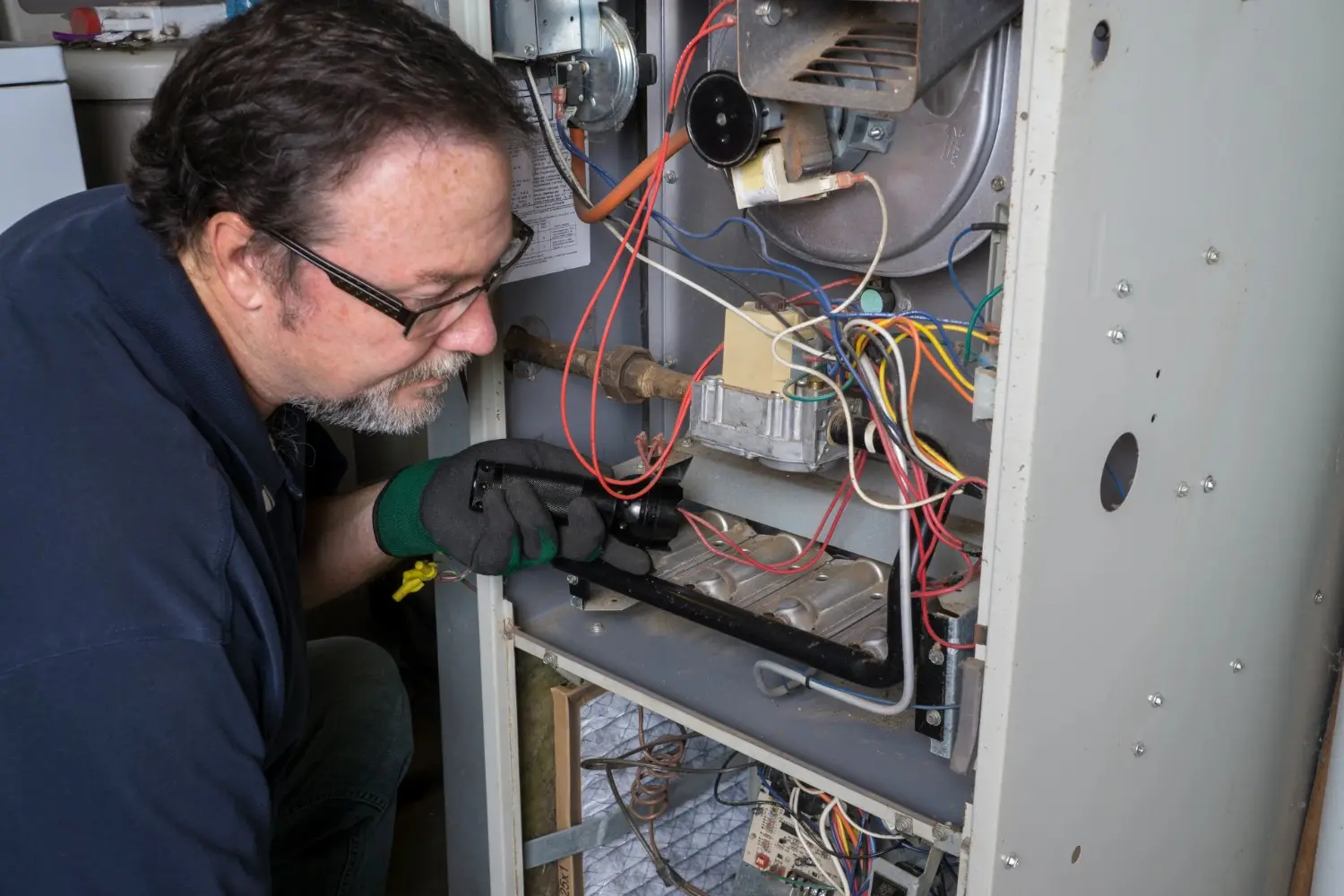
Stone Heating and Air provides a full spectrum of services designed to cover the entire lifecycle of your HVAC equipment. From the moment a technician arrives, the focus is on efficiency and communication. You are walked through the findings, presented with options, and given a realistic timeline for completion.
Heating Services
In the Pacific Northwest, reliable heating is non-negotiable during the winter months. Services cover gas furnaces, electric furnaces, and heat pumps.
- Furnace Repair: Addressing ignition failures, pilot light issues, and short-cycling problems that prevent the home from reaching the set temperature.
- Heat Pump Optimization: Troubleshooting defrost boards and reversing valves to ensure the unit switches effectively between heating and cooling modes.
- Ductless Mini-Splits: Servicing individual indoor heads and outdoor compressors for zonal heating solutions, often found in older homes or additions.
Cooling Services
As summers in the region become hotter, air conditioning performance is critical.
- AC Repair: Fixing refrigerant leaks, unclogging condensate drain lines, and replacing failed compressors.
- Coil Cleaning: Removing debris from outdoor condenser coils to improve heat transfer and lower energy consumption.
- Airflow Balancing: Adjusting dampers and inspecting ductwork to eliminate hot spots in specific rooms.
Indoor Air Quality
With regional wildfire smoke becoming a seasonal concern, air quality integration is part of the service scope.
- Filtration Upgrades: Installation of high-efficiency media filters or HEPA systems to capture fine particulates.
- Humidification Control: Installing whole-home humidifiers or dehumidifiers to maintain optimal moisture levels, preserving wood furniture and improving respiratory comfort.
Understanding the HVAC Installation Process
When a system is beyond repair or a homeowner chooses to upgrade for efficiency, the installation process is executed with precision. A proper installation is the single most important factor in determining the longevity and efficiency of a new unit. Shortcuts taken during installation can reduce a system's efficiency by up to 30%.
Sizing and Load Calculation
Before any equipment is selected, a Manual J load calculation is performed. This engineering standard calculates the precise heating and cooling needs of the structure based on square footage, insulation levels, window orientation, and local climate data.
- Assessment: Measuring the home’s thermal envelope to determine heat loss and heat gain.
- Equipment Selection: Choosing a unit that is neither undersized (which runs constantly) nor oversized (which short-cycles and fails to dehumidify).
- Ductwork Analysis: Verifying that the existing duct infrastructure can handle the airflow requirements of the new system.
The Installation Workflow
Once the equipment is selected, the physical installation follows a strict protocol to ensure code compliance and manufacturer warranty adherence.
- Site Preparation: Laying down drop cloths and preparing the workspace to protect the home.
- Removal: Safely disconnecting and disposing of the old unit and recovering any existing refrigerant according to EPA guidelines.
- Positioning: Setting the new indoor and outdoor units on level pads or vibration-absorbing mounts to reduce noise.
- Connection: Brazing copper refrigerant lines, connecting high-voltage and low-voltage electrical wiring, and sealing plenum connections to prevent air leakage.
- Commissioning: The system is started up, and technicians measure static pressure, temperature rise/drop, and airflow to verify it is operating within factory specifications.
Decide When to Repair or Replace: A Simple Guide
Homeowners often struggle with the decision of whether to invest in another repair or purchase a new system. While repairs are often the lower upfront cost, they can be more expensive over time if the system is nearing the end of its service life.
The 50% Rule
A common industry standard is the 50% rule: if the cost of the repair approaches 50% of the value of the system (or the cost of a new system), replacement is usually the better financial decision.
Age and Reliability
- Furnaces: The average lifespan is 15 to 20 years. If a unit is over 15 years old and requires a major part like a heat exchanger or blower motor, replacement is recommended.
- Air Conditioners and Heat Pumps: These typically last 10 to 15 years. Compressors failing after the 10-year mark usually signal the end of the unit's useful life.
- Frequency of Breakdown: If the system has required multiple repairs in the last two years, it is likely entering a phase of rapid decline.
Efficiency Considerations
Newer systems offer significantly higher efficiency ratings, measured in SEER2 (cooling) and HSPF2 (heating).
- Energy Savings: Upgrading from a 10 SEER unit to a 16 SEER2 unit can reduce cooling costs significantly.
- Technology: Modern systems often feature variable-speed motors and two-stage heating, which provide more consistent comfort compared to the single-stage on/off operation of older models.
- Refrigerant: Older systems using R-22 refrigerant are expensive to repair due to the phase-out of that chemical. New systems use environmentally friendly alternatives.
Local Compliance and Seasonal Considerations for Your HVAC
Operating an HVAC system in Talent requires attention to specific local factors that impact performance and legality. The Pacific Northwest climate presents unique challenges that standard "out of the box" installations may not address without local expertise.
Permits and Building Codes
HVAC work is regulated to ensure safety and energy efficiency.
- Permitting: Major installations and modifications generally require permits from Jackson County or the local municipality. This ensures the work meets safety standards for electrical connections and gas piping.
- Inspections: After installation, a third-party inspection may be required to verify that the system complies with current mechanical codes.
- Venting Requirements: High-efficiency furnaces often require specific PVC venting strategies that differ from older metal flue systems.
Incentives and Rebates
Local energy partners, such as the Energy Trust of Oregon, often provide cash incentives for upgrading to high-efficiency equipment.
- Qualifying Equipment: Rebates typically apply to high-HSPF heat pumps, high-efficiency gas furnaces, and smart thermostats.
- Tax Credits: Federal tax credits under the Inflation Reduction Act may also be available for specific heat pump installations.
Regional Seasonality
The local climate dictates maintenance schedules and accessory needs.
- Wildfire Season: Southern Oregon is prone to smoke in late summer. Homeowners should consider upgrading to MERV 13 filtration or higher to maintain indoor air quality during these periods.
- Wet Winters: High humidity during winter can lead to mold growth if the home lacks proper ventilation. Heat pumps must have functional defrost cycles to handle near-freezing temperatures without icing up.
- Summer Heat Spikes: While mornings can be cool, afternoon temperatures can spike. Systems must be charged correctly to handle the rapid increase in cooling load during the day.
Why Professional HVAC Service Matters
Choosing the right service provider is just as important as choosing the brand of equipment. The quality of the labor determines the efficiency, safety, and longevity of the system. An improperly installed high-end system will perform worse than a properly installed budget system.
Technical Expertise and Certification
Professional technicians undergo rigorous training to stay current with evolving HVAC technology.
- Certification: Look for NATE-certified technicians who have demonstrated knowledge through standardized testing.
- Continuous Training: Manufacturers regularly update equipment technology. Professionals attend training to master inverter-driven compressors, communicating thermostats, and smart home integration.
The "Whole Home" Approach
A professional does not look at the furnace or AC in isolation. The house is a system.
- Ductwork Assessment: Leaky ducts can lose 20-30% of conditioned air before it reaches the living space. Professionals test and seal ducts.
- Insulation and Windows: Understanding how insulation levels affect the HVAC load helps in recommending the right equipment size.
Warranty Protection
Manufacturers require proof of professional installation and regular maintenance to honor parts warranties.
- Documentation: Professional services provide the necessary invoices and service records to keep warranties valid.
- Labor Warranties: reputable companies stand behind their workmanship, offering guarantees on the labor provided for repairs and installations.
Maintaining a comfortable home environment requires a proactive approach to heating and cooling. Whether facing an emergency breakdown or planning a strategic upgrade to improve energy efficiency, expert assistance ensures the job is done right the first time. Stone Heating and Air is dedicated to delivering superior service and technical excellence for all your climate control needs.
Restore Comfort Fast with Talent’s Trusted HVAC Experts
When your heating or cooling system fails, you need reliable help—not guesswork. Stone Heating and Air is committed to getting your home back to a safe, comfortable temperature with fast response times, transparent pricing, and industry-leading expertise. Whether you’re dealing with an unexpected breakdown, considering an efficiency upgrade, or simply want peace of mind before the next season hits, our certified technicians are ready to assist. Contact Stone Heating and Air today to schedule service, request a quote, or explore financing options designed to fit your budget and keep your home running smoothly.
- Book Expert Service Or Contact Us